


Selecting and Maintaining the Right Dust Collection System for Your Shop
As a seasoned woodworking professional, you know the value of a reliable dust collection system. Proper dust collection is essential for maintaining air quality, improving equipment performance, and ensuring compliance with workplace safety regulations. But beyond the basics, what are some key factors you might not have considered when optimizing your setup?
How Dust Collectors Work
Dust collectors draw in airborne particulates using a high-powered fan, guiding them through filtration systems such as bag filters, cartridges, or cyclones. Larger debris settles in pre-filters, while fine dust is captured in the filter media. Collected dust is contained for disposal, and filtered air is either recirculated or vented, supporting cleaner work environments.
Types of Dust Collectors
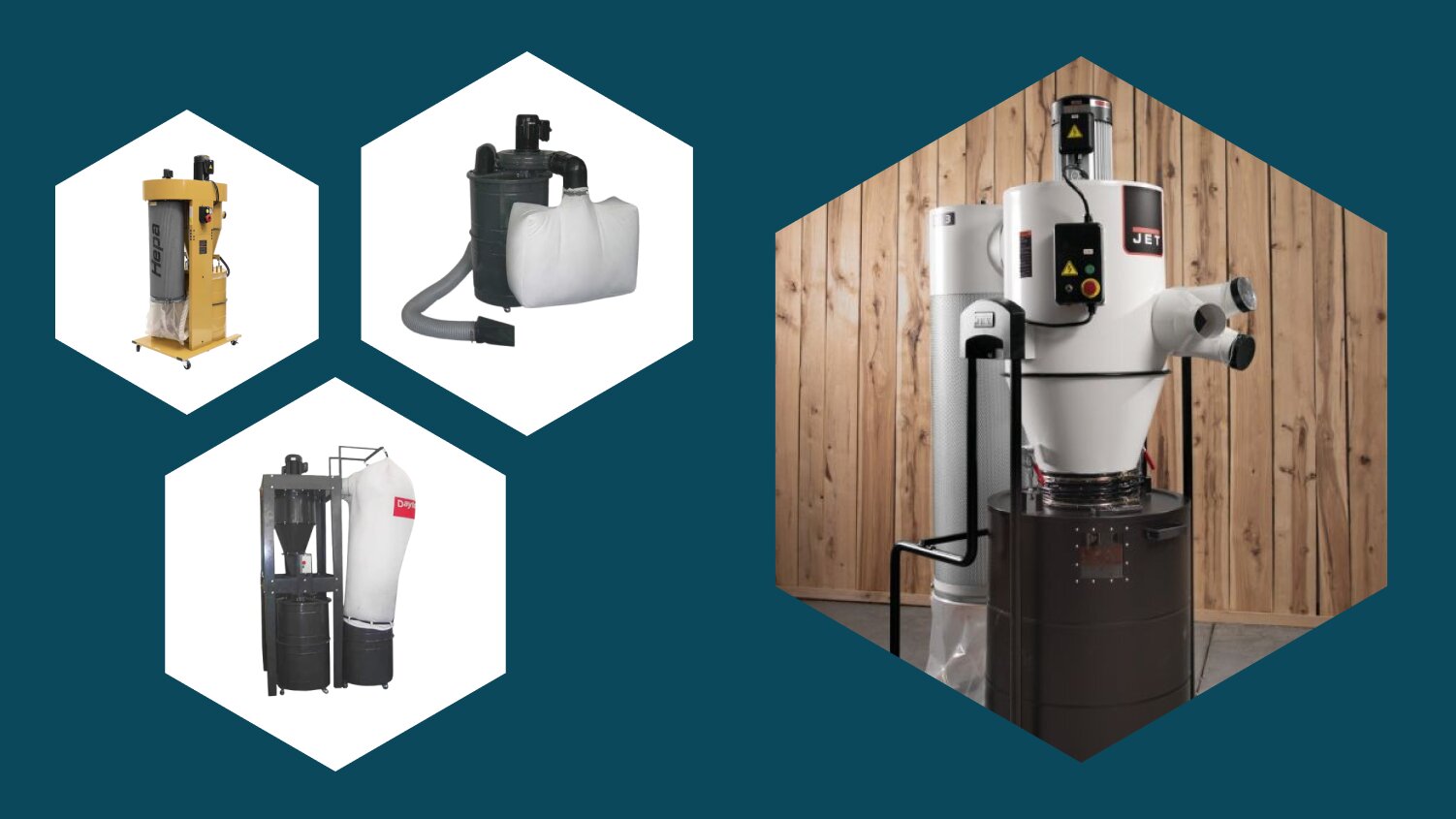
Choosing the right dust collector starts with knowing your options. Whether you need a compact single-stage unit, a high-volume two-stage system, an efficient cyclone design, or a portable solution, each type is designed for specific workspace needs.
| Type | Description | Typical Usage |
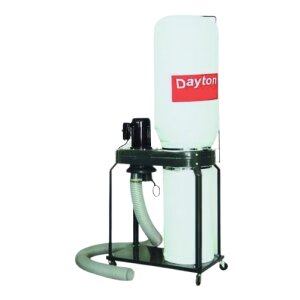 | Collects dust and debris in a single chamber. | Compact design is suited for small workshops. |
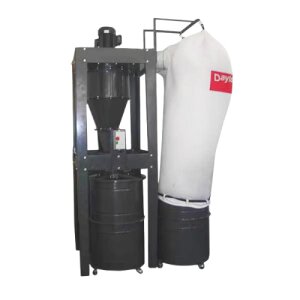 | Separates out larger debris before fine dust reaches the filter, helping to reduce buildup. | Designed for high-volume dust collection applications. |
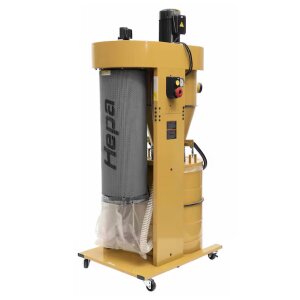 | Uses centrifugal force to separate out heavier debris from dust before reaching the filter. | Helps minimize clogging and optimize filter performance. |
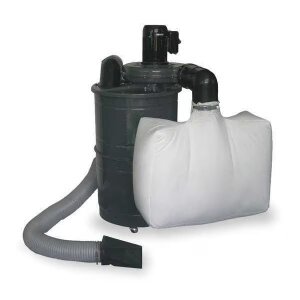 | Compact, mobile unit is designed for localized dust collection. | Maneuverable for use in small workspaces. |
Determining the Right Dust Collector Size for Your Shop
If your shop’s dust collection system isn’t performing optimally, an undersized unit may be the culprit. Determining what size dust collector you need depends on multiple factors, including the number of machines in use, ducting layout, and total airflow demand (measured in cubic feet per minute, or CFM). A single-machine setup may only require 500-1,000 CFM, whereas a full-scale industrial dust collector may need 3,000+ CFM to maintain proper suction. Ensure that your system’s static pressure and duct diameter align with the collector’s specifications for peak performance.
Managing Noise Levels in Your Dust Collection System
A high-performing dust collection system is a necessity, but excessive noise can be a significant concern. The decibel levels of a dust collector vary widely based on motor power, impeller size, and system design. Many industrial dust collectors operate between 70-90 dB, which is comparable to a vacuum cleaner or a lawnmower. If noise reduction is a priority, consider sound-insulated enclosures, vibration-dampening mounts, or remote motor placement to minimize workplace disruption. Additionally, using longer ducting and flexible hose sections can help diffuse sound before it reaches working areas.
Enhancing Filtration for Optimal Dust Collection
Choosing the appropriate dust collector filter is critical for efficiency and air quality. Standard bag filters may suffice for general woodworking, but if you’re dealing with fine particulate matter, high-efficiency cartridge filters or HEPA-rated options may be worth considering. Regularly inspecting and maintaining filters ensures optimal airflow and prevents system clogs. If you notice pressure drops in your dust collection system, it may indicate a clogged filter requiring replacement or cleaning.
Dust Collector Safety
Dust collector safety is essential for protecting your workspace and crew. Fine wood dust can ignite, so design your system with proper venting, grounding, and spark prevention in mind. Make sure all metal parts and ducts are grounded to reduce static buildup, and use filters rated for combustible dust, replacing them if damaged. Depending on your shop size or local requirements, you may need explosion vents or suppression systems. During maintenance, always power down and tag out equipment before opening panels, and wear appropriate personal protective gear such as respirators, gloves, and safety glasses.
Keep your wood shop running smoothly with the right dust collection setup. Explore a wide selection of dust collection systems, filters, and accessories at Zoro.com to find the best fit for your needs.
Dust Collector Maintenance Plan
We can’t skip this—maintenance is what keeps all of this investment working over time.
Weekly / Daily Checks
• Confirm suction at machine inlets
• Empty dust bin / bag
• Inspect for leaks or cracks in ductwork
Monthly Maintenance
• Shake or pulse-clean filters
• Clean fan blades (if accessible)
• Check duct joints, clamps, and fasteners
Quarterly / Seasonal Checks
• Measure static pressure (filter side vs. intake)
• Lubricate bearings, inspect belts or couplings
• Check connections, clamps, and sealsAnnual / Yearly
• Replace filters (if they reach lifecycle limits)
• Inspect blower internals (wheel, housing, shaft)
• Review grounding, safety devices, venting provisions
Final Thoughts
Selecting, installing, and maintaining a dust collection system is a long game. When you get it right, your tools run better, your shop stays cleaner, and your crew breathes easier. Keep your wood shop running smoothly with the right dust collection setup. Explore a wide selection of dust collection systems, filters, and accessories at Zoro.com to find the best fit for your needs.
Product Compliance and Suitability
The statements contained in this guide are intended for general informational purposes only. Such statements do not constitute a product recommendation or representation as to the appropriateness, accuracy, completeness, correctness, or currentness of the information provided. Information provided in this guide does not replace the use by you of any manufacturer instructions, technical product manual, or other professional resource or adviser available to you. Always read, understand, and follow all manufacturer instructions. Portions of this article were generated in part by ChatGPT, and edited by a member of the Zoro team.
