


Self-Tapping Screws: The Ultimate Guide
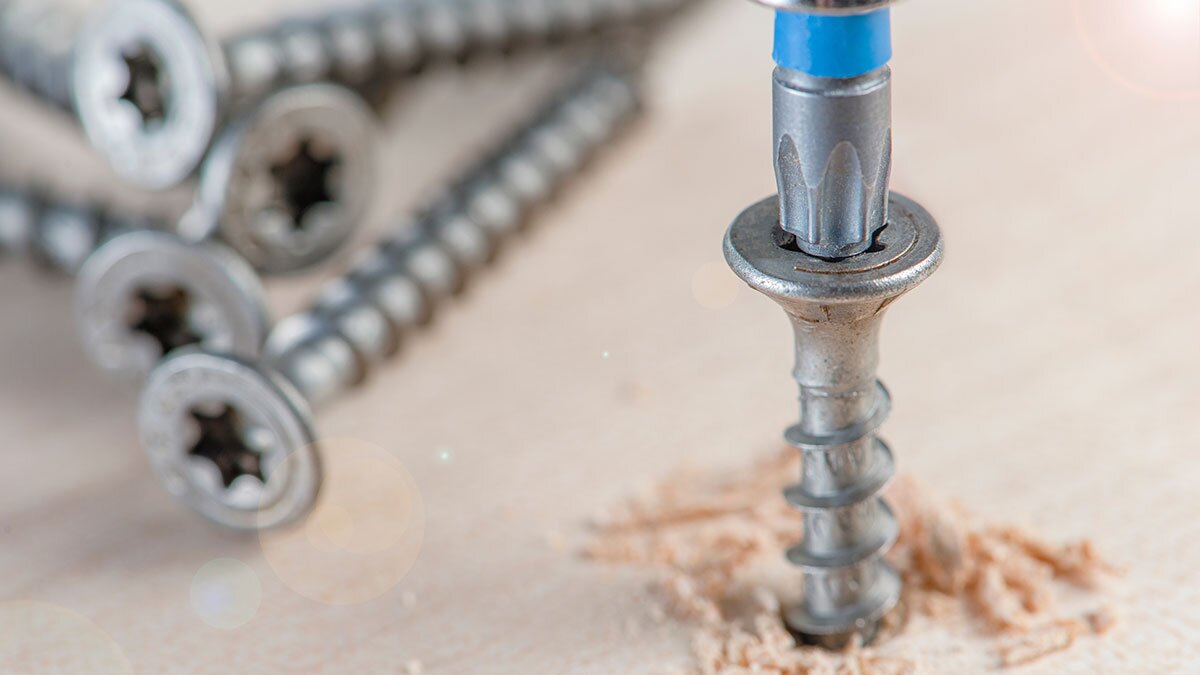
As a small business owner, manager, or contractor, choosing the right fasteners for the job can make all the difference in efficiency and project quality—and self-tapping screws are a prime example, offering both versatility and time-saving benefits in the right situations. Even if self-tapping screws aren’t yet a go-to in your toolkit, understanding their unique benefits can open up new ways to streamline projects and assembly without needing to pre-drill materials beyond a simple pilot hole.
In this guide, we'll cover everything you need to know about selecting, using, and maximizing the value of self-tapping screws to keep your projects running smoothly.
What Are Self-Tapping Screws?
Self-tapping screws are fasteners designed to create their own thread as they are driven into a material, greatly reducing the need for pre-drilled holes. Unlike traditional screws that always require a pilot hole, self-tapping screws can cut their own threads into softer materials such as many types of wood, plastic, or thin metal, which speeds up installation and provides a secure fit. Self-tapping screws are commonly used in projects where speed and efficiency are key.
These screws are often confused with self-drilling screws, but there’s a notable difference. Self-drilling screws come with a specialized drill tip that can cut through metal and hard materials without a pilot hole, making them more suitable for thicker metals. On the other hand, self-tapping screws may require a pilot hole when working with harder materials, as they lack the built-in drill bit of self-drilling screws.
One of the standout advantages of self-tapping screws is their usefulness in one-sided access applications, where securing a fastener from both sides isn’t possible. For example, if you’re attaching a fixture to a wall, self-tapping screws make the process smoother by providing a secure hold without requiring access to the back side of the wall or space. They're also a good choice for combining different materials, such as attaching metal to wood or plastic, without the need for additional hardware. By eliminating some of the steps involved in traditional fastening methods, self-tapping screws help save time, reduce the risk of misalignment, and enhance stability.
Types of Self-Tapping Screws
| Thread-Forming Screws | Thread-Cutting Screws |
|---|---|
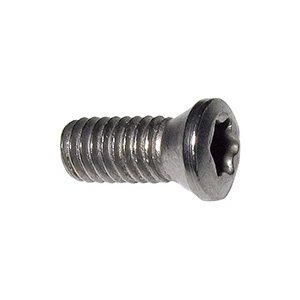 | 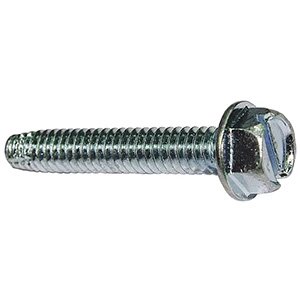 |
| Thread-forming screws create threads by displacing material as they are driven into softer materials like plastic or thin metals. They don’t produce metal chips, making them ideal for applications that require a secure fit without loose debris. Because of their tight fit, thread-forming screws also provide excellent vibration resistance. These types of screws are likely to require a pre-drilled pilot hole. | Thread-cutting screws have a pointed end and are designed to cut away material as they’re driven, creating clean, sharp threads that allow for easier assembly. These screws are well-suited for harder materials or applications where multiple installations and removals may be needed. These screws can also drill their own pilot holes in many materials, eliminating the need for pre-drilling. |
Self-Tapping vs. Self-Drilling Screws
| Self-Tapping Screws | Self-Drilling Screws |
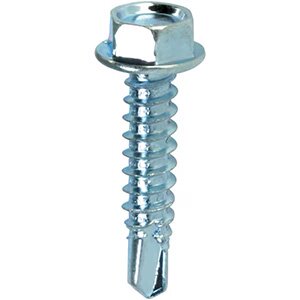 | 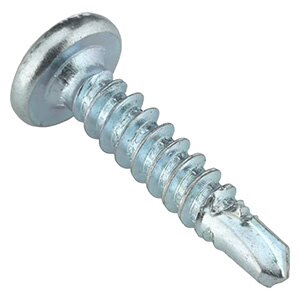 |
| Self-tapping screws are designed to create their own threads as they’re driven into softer materials, like wood, plastic, or thin metal. While they may require a pilot hole in harder materials, they provide a secure hold without the need for additional pre-threading steps, making them ideal for projects where quick installation is essential. | Self-drilling screws come with a drill bit tip that allows them to cut directly into thicker metals without the need for a pilot hole. This built-in drilling feature saves time by combining drilling and fastening into a single step. Self-drilling screws are a popular choice for metal applications or heavy-duty projects that require fast, efficient fastening. |
Applications of Self-Tapping Screws in Various Industries
- Construction: Used to secure metal studs, attach metal sheeting, and help speed up framing and cladding work.
- Manufacturing: Ideal for assembling equipment, joining components in machinery, repetitive tasks, and bonding metal and plastic.
- Automotive and Aerospace: Commonly used for interior paneling, securing components, and working with metals.
- DIY and Home Improvement: Great for household repairs, mounting shelves, assembling furniture, or installing fixtures, especially when access is limited.
Putting It All Together
Self-tapping screws offer versatility and efficiency, making them essential for any business owner or professional who needs reliable fasteners that can be used with a wide range of materials. From construction to manufacturing, these screws can save valuable time and effort, especially in challenging or one-sided access areas.
Shopping for high-quality self-tapping screws for your business or your next project? Find all the fasteners you need today at Zoro.com!
Product Compliance and Suitability
The statements contained in this guide are intended for general informational purposes only. Such statements do not constitute a product recommendation or representation as to the appropriateness, accuracy, completeness, correctness, or currentness of the information provided. Information provided in this guide does not replace the use by you of any manufacturer instructions, technical product manual, or other professional resource or adviser available to you. Always read, understand, and follow all manufacturer instructions.
