
Set Screw Size Chart
Metric & SAE set screw size chart: Find M3 to 1/2" specs & hex keys.
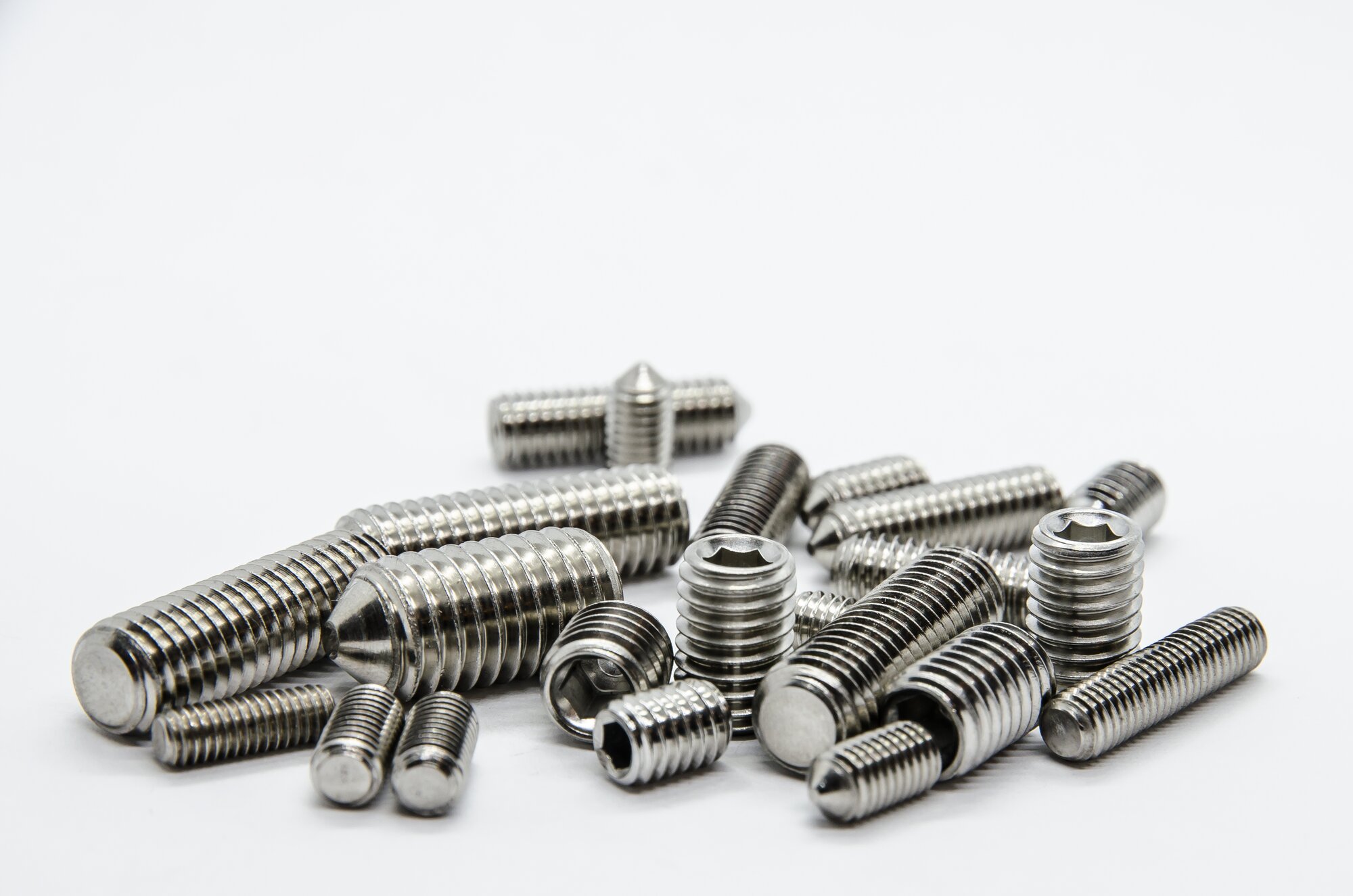
Set Screw Size Chart: An Industrial Guide
In the world of precision power transmission, the set screw is a deceptively simple component tasked with a monumental job: maintaining the mechanical bond between a rotating shaft and its mounted components. Whether securing a high-speed blower fan in an HVAC system or a drive gear in a CNC lathe, the set screw must withstand immense torsional stress, thermal expansion, and constant vibration.
Imperial Set Screw Size Chart
| Size (Diameter) | Thread Pitch (UNC/UNF) | Hex Key (Drive) Size | Tap Drill Size | Rec. Torque (in-lbs) |
|---|---|---|---|---|
| #4 | 40 / 48 | 0.050" | #43 / #42 | 5.0 |
| #6 | 32 / 40 | 1/16" | #36 / #33 | 9.0 |
| #8 | 32 / 36 | 5/64" | #29 / #29 | 18.0 |
| #10 | 24 / 32 | 3/32" | #25 / #21 | 33.0 |
| 1/4" | 20 / 28 | 1/8" | #7 / #3 | 78.0 |
| 5/16" | 18 / 24 | 5/32" | F / I | 150.0 |
| 3/8" | 16 / 24 | 3/16" | 5/16" / Q | 275.0 |
| 1/2" | 13 / 20 | 1/4" | 27/64" / 29/64" | 600.0 |
| 5/8" | 11 / 18 | 5/16" | 17/32" / 37/64" | 1,200.0 |
Imperial Set Screw Size Conversion Chart
| Size (Nominal) | Decimal Equivalent (in) | Metric Equivalent (mm) | Hex Key Size | Tap Drill Size |
|---|---|---|---|---|
| #0 | .060" | 1.52 mm | 0.028" | #56 |
| #2 | .086" | 2.18 mm | 0.035" | #50 |
| #4 | .112" | 2.84 mm | 0.050" | #43 |
| #6 | .138" | 3.51 mm | 1/16" | #36 |
| #8 | .164" | 4.17 mm | 5/64" | #29 |
| #10 | .190" | 4.83 mm | 3/32" | #25 |
| 1/4" | .250" | 6.35 mm | 1/8" | #7 |
| 5/16" | .312" | 7.94 mm | 5/32" | F |
| 3/8" | .375" | 9.53 mm | 3/16" | 5/16" |
| 1/2" | .500" | 12.70 mm | 1/4" | 27/64" |
Metric (ISO) Set Screw Size Chart
As global manufacturing supply chains integrate, Metric (ISO) fasteners have become ubiquitous in robotics, motor assemblies, and imported machinery. Metric set screws are categorized by their Property Class (typically 14.9 for alloy steel), indicating their high hardness and tensile strength.
| Size (Diameter) | Standard Pitch (Coarse) | Hex Key (Drive) Size | Tap Drill Size | Rec. Torque (N·m) |
|---|---|---|---|---|
| M3 | 0.50 | 1.5 mm | 2.5 mm | 0.7 |
| M4 | 0.70 | 2.0 mm | 3.3 mm | 2.1 |
| M5 | 0.80 | 2.5 mm | 4.2 mm | 4.7 |
| M6 | 1.00 | 3.0 mm | 5.0 mm | 7.7 |
| M8 | 1.25 | 4.0 mm | 6.8 mm | 17.8 |
| M10 | 1.50 | 5.0 mm | 8.5 mm | 35.0 |
| M12 | 1.75 | 6.0 mm | 10.2 mm | 55.0 |
| M16 | 2.00 | 8.0 mm | 14.0 mm | 120.0 |
Metric Set Screw Size Conversion Chart
| Size (Nominal) | Decimal Equivalent (mm) | Decimal Equivalent (in) | Hex Key Size | Tap Drill Size |
|---|---|---|---|---|
| M1.6 | 1.60 mm | .063" | 0.7 mm | #52 |
| M2 | 2.00 mm | .079" | 0.9 mm | #47 |
| M2.5 | 2.50 mm | .098" | 1.3 mm | #39 |
| M3 | 3.00 mm | .118" | 1.5 mm | 2.5 mm |
| M4 | 4.00 mm | .157" | 2.0 mm | 3.3 mm |
| M5 | 5.00 mm | .197" | 2.5 mm | 4.2 mm |
| M6 | 6.00 mm | .236" | 3.0 mm | 5.0 mm |
| M8 | 8.00 mm | .315" | 4.0 mm | 6.8 mm |
| M10 | 10.00 mm | .394" | 5.0 mm | 8.5 mm |
| M12 | 12.00 mm | .472" | 6.0 mm | 10.2 mm |
Selecting the Right Point Type for the Job
A comprehensive specification must include the point geometry. The "end" of the set screw dictates how much damage it does to the shaft and how much torque it can resist.
- Cup Point: The industry standard for permanent installations. The sharp edges "bite" into the shaft. It offers the highest resistance to both axial and radial movement.
- Flat Point: Ideal for frequent adjustments. It presses against the shaft without leaving a deep indentation. Often used against a "flat" machined into a shaft.
- Dog Point: Features a cylindrical tip that fits into a pre-drilled hole or groove. This acts as a mechanical safety; even if the screw vibrates slightly loose, the component cannot slide off the shaft.
Cone Point: Provides the highest wedging force. Used for permanent settings or as a pivot in hinge applications.
Commercial Installation Best Practices
1. Avoid the "Close Enough" Tooling Trap
One of the most frequent causes of machine failure is using a 5/32" hex key on an M4 screw. While they feel similar, the fractional difference leads to "rounding" the internal hex socket. Once a set screw is rounded out inside a recessed housing, it often requires destructive removal (drilling or welding), which can ruin the underlying shaft.
2. Shaft Hardness vs. Screw Grade
In commercial environments, ensure your set screw is harder than your shafting. Most industrial set screws are Alloy Steel (Grade 8 or Property Class 14.9). If you are using a stainless steel shaft, a standard alloy cup point will bite effectively. However, if you are using a hardened and ground shaft, a cup point may slide. In these instances, a Flat Point against a machined flat is the only secure option.
3. Managing Vibration with Thread Lockers
In high-vibration environments, even a perfectly torqued set screw can "back out" over time. Commercial SOPs often require the application of an anaerobic thread-locking compound.
- Medium Strength (Blue): Allows for disassembly with standard hand tools.
- High Strength (Red): Requires localized heat for removal; used for permanent industrial assemblies.
4. The 90-Degree Rule
When a single set screw isn't enough to handle the torque, engineers specify two screws. For maximum effectiveness, these should be placed 90 degrees apart. This creates three points of contact on the shaft (two screws and the opposite side of the hub), providing much greater stability than placing them 180 degrees apart.
Whether you are designing a new product or maintaining a facility's aging infrastructure, the data provided in these Imperial and Metric charts is the foundation of mechanical reliability. By matching the correct diameter, thread pitch, and point type to your specific application, you ensure that your rotating equipment remains safe, efficient, and operational.
Product Compliance and Suitability
The statements contained in this guide are intended for general informational purposes only. Such statements do not constitute a product recommendation or representation as to the appropriateness, accuracy, completeness, correctness, or currentness of the information provided. Information provided in this guide does not replace the use by you of any manufacturer instructions, technical product manual, or other professional resource or adviser available to you. Always read, understand, and follow all manufacturer instructions. Portions of this article were generated in part by ChatGPT.
