


Snow Blower Safety Tips for Businesses: Winter Equipment Use Guide
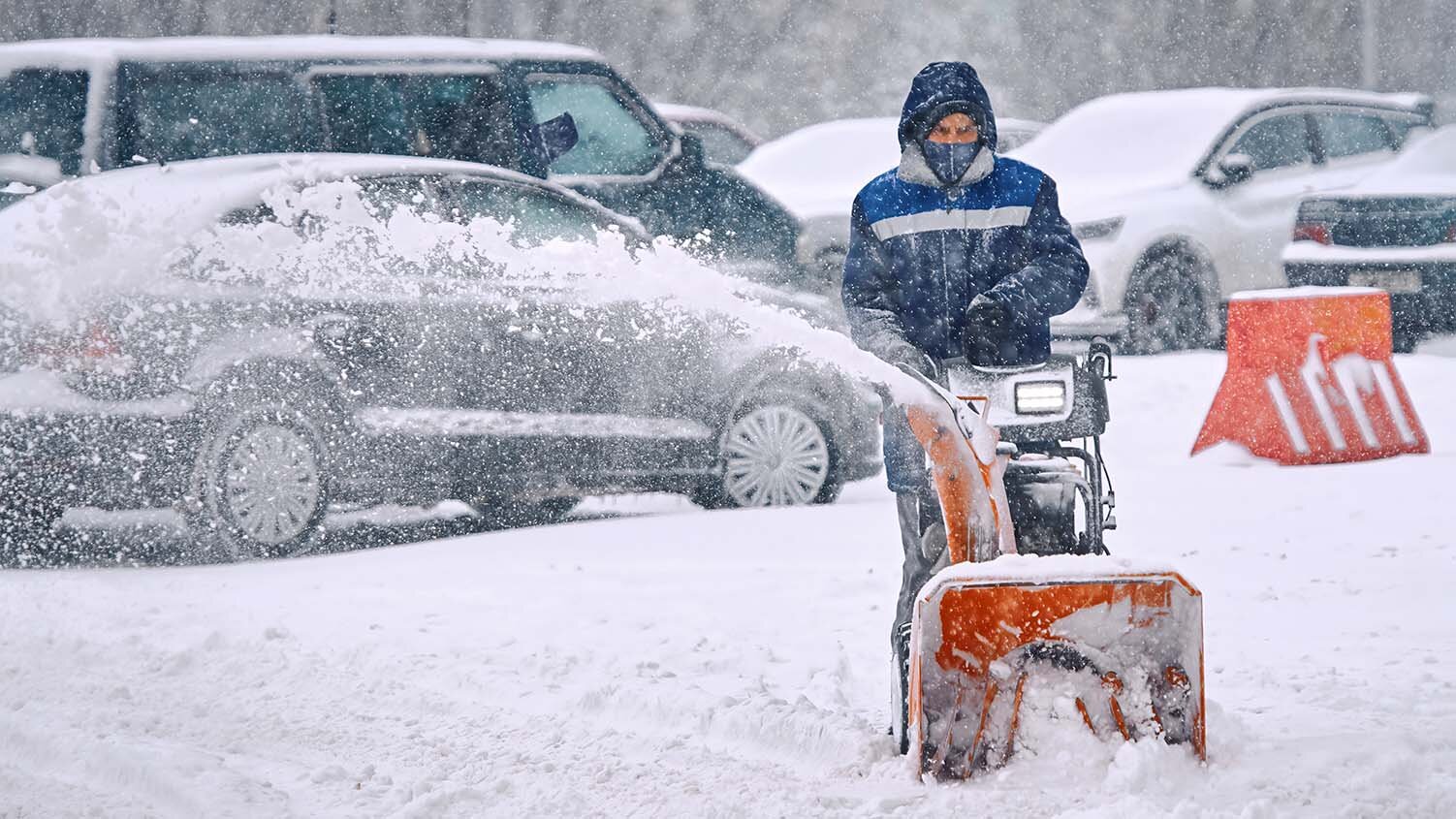
Quick Snow Blower Safety Checklist
- Read the snow blower manual.
- Clear all walkways and work areas before starting.
- Wear gloves, slip-resistant boots, and fitted clothing.
- Keep hands and feet away from moving parts.
- Refuel only after the machine has cooled down.
- Supervise new or seasonal operators.
- Stay alert—no distractions while operating.
- Perform routine maintenance checks.
- Use salt, sand, and signage to prevent slips.
Why Is Snow Blower Safety Important for Businesses?
When winter weather hits, businesses face more than just snow piles; you're responsible for keeping employees, visitors, and operations safe. Whether you're clearing sidewalks or commercial lots, understanding how to use a snow blower safely is essential for preventing injury and equipment damage.
Snow blowers are powerful machines. Without proper precautions, they can cause severe injuries or costly accidents. This guide walks through snow blower safety practices and winter safety tips for employees to help protect your people and your property.
What Are the Top Snow Blower Safety Tips for Small Businesses?
Read the Manual First
Every snow blower model has unique safety requirements. Always begin by reading the operator’s manual to understand limitations, controls, and warnings specific to your machine.
Clear the Area Before You Start
Before powering up the snow blower, walk the area and remove anything that could jam the machine or fly from the chute: cords, packaging, ice chunks, or tools.
Wear Proper Winter Gear
Employees should wear gloves, slip-resistant boots, and layers that won’t get caught in the equipment. Cold hands and baggy clothes don’t mix with machinery.
Use Safe Handling Techniques
Stay behind the controls. Hands and feet should never go near moving parts, especially the chute or auger. If the snow blower jams, shut it down completely and use a stick or tool to clear the blockage.
Power Safety & Fueling Safety
Only run snow blowers in open areas to prevent carbon monoxide buildup. If it’s a gas model, let it cool down before refueling. Never top it off while it’s running.
Clog Prevention & Clearing
Move at a steady pace and don’t overload the machine. For wet or heavy snow, go slow. If you hit a clog, shut the unit down and follow the safe clearing steps—no shortcuts.
Even More Commercial Snow Removal Safety Tips
If your business maintains a large property or employs multiple snow operators, it’s important to layer in added precautions.
- Supervise and Train: Pair up newer employees with experienced operators. Keep a supervisor nearby during storms.
- Direct Snow Safely: Always point the chute away from walkways, cars, doors, and people.
- Remove Distractions: No earbuds, no multitasking. One wrong move around this kind of equipment can lead to injury.
- Perform Routine Maintenance: Check parts before every use. Replace worn blades, broken shear pins, or cracked belts to avoid mid-job breakdowns.
What Other Winter Safety Tips Should Employees Follow?
Snowblower safety is just part of the picture. Here’s how to reduce overall winter hazards.
- Spread salt or sand on walkways before snowfall.
- Clearly mark icy zones with signage or cones.
- Encourage short breaks to prevent cold stress or fatigue.
- Provide warm-up spaces for outdoor workers.
Final Thoughts
You don’t need guesswork in winter. These commercial snow removal tips and snow blower safety practices will help you handle snow confidently and protect your team throughout the season. From snow blowers to ice melt and winter PPE, having the right tools and protocols makes the difference between a risky job and a safe, efficient one.
Product Compliance and Suitability
The statements contained in this guide are intended for general informational purposes only. Such statements do not constitute a product recommendation or representation as to the appropriateness, accuracy, completeness, correctness, or currentness of the information provided. Information provided in this guide does not replace the use by you of any manufacturer instructions, technical product manual, or other professional resource or adviser available to you. Always read, understand, and follow all manufacturer instructions. Portions of this article were generated in part by ChatGPT, and edited by a member of the Zoro team.
