


Socket and Ratchet Maintenance Tips
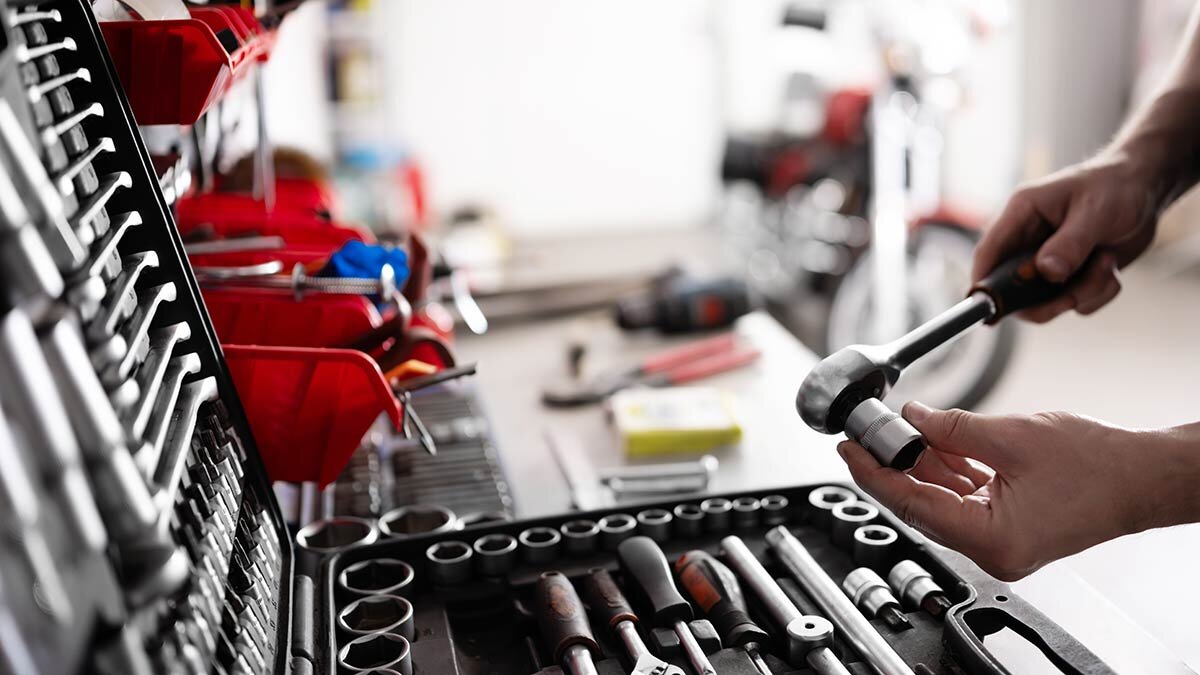
Sockets and ratchets are everyday tools in construction, maintenance, and mechanical repair. For small business owners, keeping these tools in reliable condition can help maintain efficiency, reduce equipment costs, and support safe work environments. While they’re built to handle high torque and frequent use, sockets and ratchets still require regular care to stay in good shape.
Why Routine Maintenance Matters
Like any high-use tool, ratchets and sockets are prone to wear. Without regular upkeep, debris and corrosion can build up, moving parts can stick, and sockets may lose their fit. This can lead to damaged fasteners, inefficient torque application, or in some cases, tool failure. A proactive maintenance routine supports consistent tool performance and helps extend the life of your investment.
Clean Tools After Every Use
One of the simplest ways to care for your socket set is to clean it after each use. Start by separating ratchets, sockets, and any extensions. Wipe down all parts with a clean rag to remove surface grime. For tougher grease, warm soapy water or a mild degreaser can help loosen buildup. Use a soft brush, such as an old toothbrush, to scrub out dirt from hard-to-reach grooves or gear teeth. After cleaning, rinse all parts thoroughly and dry them completely before storing. Moisture left behind can lead to rust or internal damage over time.
Lubricate the Ratchet Mechanism
A smooth-operating ratchet is essential for safe, accurate work. Once the ratchet is clean and dry, apply a few drops of light machine oil to the internal mechanism. Focus on the gear and pawl because these are the parts most likely to stick or wear out with heavy use. Avoid over-lubricating, as excess oil can attract more dirt. A light application after cleaning helps protect the internal parts and keeps the ratchet moving freely.
Store Tools Properly to Avoid Damage
Proper storage is just as important as cleaning and lubrication. Sockets and ratchets should be stored in a dry, organized space, ideally in a fitted tray or case that keeps each component in place. This reduces the risk of damage during transport and helps prevent tools from getting lost or mixed up. Avoid tossing loose sockets into a tool box, where they can chip or crack from repeated impact. Keeping tools protected between jobs helps ensure they’re ready when you need them.
Inspect and Replace Worn Tools
Even well-maintained tools wear out over time. That’s why regular inspections are important. Check sockets for signs of wear, such as cracks, distortion, or rounding at the edges. For ratchets, test the handle to make sure it engages and releases smoothly. If the mechanism skips, locks up, or feels loose, it may be time for a rebuild kit or a replacement. Replacing damaged tools promptly helps maintain jobsite safety and avoid tool-related delays.
Use the Right Tool for the Job
Improper tool use is a common reason for early wear. Always match the socket size to the fastener you're working with. Using a socket that’s slightly too big or small can round off the fastener and damage the tool. Additionally, never use standard sockets with impact tools unless they’re specifically rated for it. Standard sockets aren’t built for the high torque delivered by impact drivers and may crack under pressure. Using tools within their intended limits helps ensure they last longer and perform reliably.
Socket & Wrench Cleaning FAQ
How do you clean sockets?
Start by separating sockets from the ratchet. Wipe each piece with a clean cloth to remove surface debris. For tougher buildup, use warm soapy water or a mild degreaser. A soft brush—like an old toothbrush—can help clear dirt from grooves. Be sure to rinse and dry all parts thoroughly before putting them away to help reduce the risk of corrosion.
What is a socket cleaner?
A socket cleaner can refer to cleaning solutions or tools used to remove grease, grime, and rust from sockets. Common options include mild degreasers, brushes, compressed air, or even ultrasonic cleaning units for more intensive maintenance.
How do you clean rusty sockets?
Rust can be treated with a vinegar soak. Submerge rusty sockets in white vinegar for a few hours to help loosen oxidation. Then scrub with a wire or stiff nylon brush, rinse well, and dry completely. Applying a light coating of oil afterward can help protect against future rust.
Can you clean sockets and wrenches the same way?
Yes. The same general cleaning steps apply to both. After removing surface dirt, soak tools in warm soapy water or a degreasing solution. Use a soft brush to clean detailed areas, rinse thoroughly, and dry completely. For ratchets or adjustable wrenches, lightly oil any moving parts to keep them working smoothly.
Taking care of your sockets and ratchets doesn’t require a big investment—just a bit of consistency. With simple maintenance steps like cleaning, lubricating, and safe storage, you can help your tools last longer and keep your crew focused on the work that matters.
Product Compliance and Suitability
The statements contained in this guide are intended for general informational purposes only. Such statements do not constitute a product recommendation or representation as to the appropriateness, accuracy, completeness, correctness, or currentness of the information provided. Information provided in this guide does not replace the use by you of any manufacturer instructions, technical product manual, or other professional resource or adviser available to you. Always read, understand, and follow all manufacturer instructions. Portions of this article were generated in part by ChatGPT, and edited by a member of the Zoro team.
