


Solenoid Valve Selection Guide
When selecting a solenoid valve it is important to identify all relevant specifications.
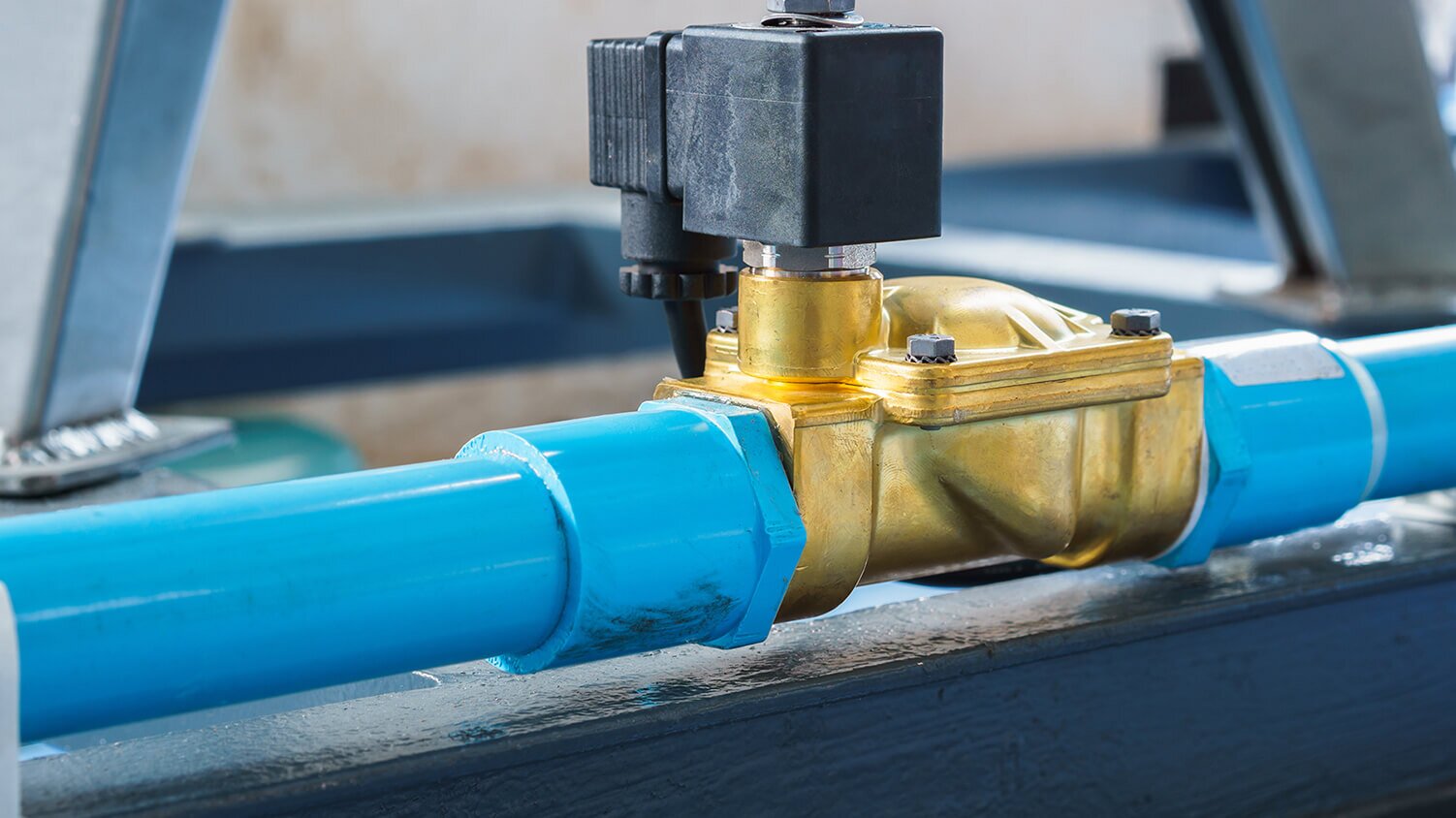
A solenoid valve is a motorized valve and most frequently is used to control the flow in a pressurized liquid, gas, or air system. They often have a variety of operations within a system, including switching on/off, releasing, dosing, distributing, or mixing fluids. Solenoids offer fast and safe directional flow switching as well as high-reliability, low-control power and a compact design.
Solenoid Valve Functional Types
When selecting a solenoid valve it is important to identify all relevant specifications, starting with determining the functional type. This information on solenoid valve types can help you make the most informed selection.
Pilot operated solenoid valves utilize the pressurized fluid or gas to activate the valve-turning mechanism. This is the most commonly used solenoid valve for air and water flow control. It can be used to affect the balance of pressure above and below the valve. The pressure in the system determines how fast the valve opens and closes. Moderate to high pressure is best for these valves.
Direct acting solenoid valves have pressure and flow rates that are limited by the power of the solenoid and its ability to turn under pressure. Direct acting solenoid valves are best used in low-pressure fluid control systems. They’re not recommended for a high-pressure rapid flow system.
Direct lift or direct operated valves combine the features of a direct acting solenoid valve with those of a pilot operated solenoid valve. The valve functions as a direct acting valve at low pressures and as a pilot operated valve at higher pressures. It is sometimes referred to as a “hung diaphragm” valve. Capable of operating at 0 pressure, these solenoid valves are best used in low-pressure transfer or supply systems where pressure may need to be increased or that have a steadily increasing pressure climb during operation.
Solenoid Valve Specifications
After selecting the correct type of solenoid valve, select the correct specifications for the application. The following is a list of needed specifications and their meaning. Be sure your solenoid requirements are within the specification range of the system it is operating or failure will occur.
Operating Pressure: Valves in the standard range are designed for maximum pressure of 80 psi to 435 psi. The product range includes valves for special applications designed for a pressure of up to 1160 psi. When selecting a valve, your operating range should be within the specification range of the valve’s operating pressures.
Differential Pressure/MOPD: When selecting a valve, the difference between the inlet pressure and the outlet pressure is the maximum permissible differential pressure against which the valve can open. It is also specified as MOPD (Maximum Opening Pressure Differential). The operating pressure of the valve should be below the MOPD of the valve selected or the solenoid will not open or close properly, which will change the amount of flow between cycles.
Media Conditions: Solenoid valves have temperature ratings for the liquid or gas it is controlling in the system. The media (material flowing through the valve) must be below the maximum temperature rating or the valve will not open and close properly, and may ultimately malfunction. Determine the minimum and maximum operating temperatures for the media you are working with to select the correct valve with the proper temperature rating.
Ambient Conditions: The ambient temperature (operating environment conditions) must be within certain specified limits for the coil to function optimally. In wet or very humid environments, solenoids with an IP67 enclosure classification must be selected to prevent a coil from shorting out due to moisture.
Coil Voltage and Power: When selecting a solenoid valve, knowing which voltage (AC or DC) is available for an application is important to prevent failure. Often, the maximum permissible differential pressure on most valves can be increased by fitting a more powerful solenoid coil to the valve. The coil power determines the timing and turning strength of the solenoid. If the solenoid is not selected correctly, delayed opening and closing will occur, or it may fail completely.
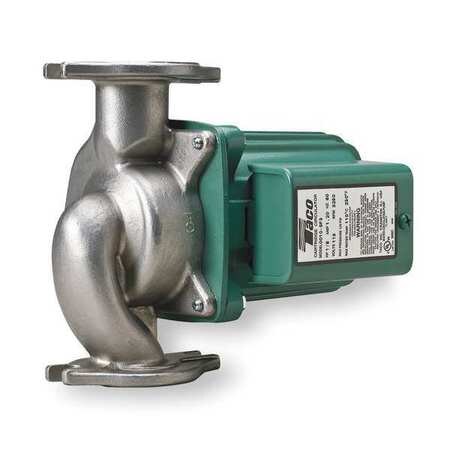
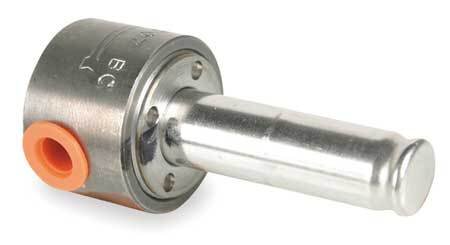
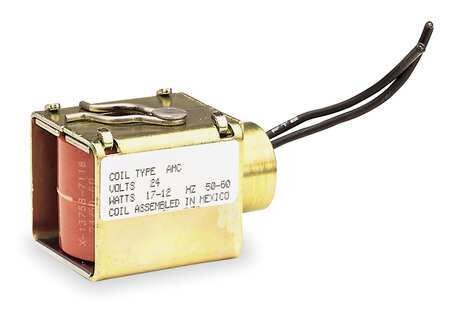
An Example Coil for Solenoid Valves
Zoro’s wide selection of solenoid valves, flow control valves, and backflow preventers can help to complete your flow control system.
Product Compliance and Suitability
The product statements contained in this guide are intended for general informational purposes only. Such product statements do not constitute a product recommendation or representation as to the appropriateness, accuracy, completeness, correctness or currentness of the information provided. Information provided in this guide does not replace the use by you of any manufacturer instructions, technical product manual, or other professional resource or adviser available to you. Always read, understand and follow all manufacturer instructions.
