
Solenoid Valves for Irrigation Systems
Irrigation solenoid valve guide: 24V AC vs. DC latching & flow control.
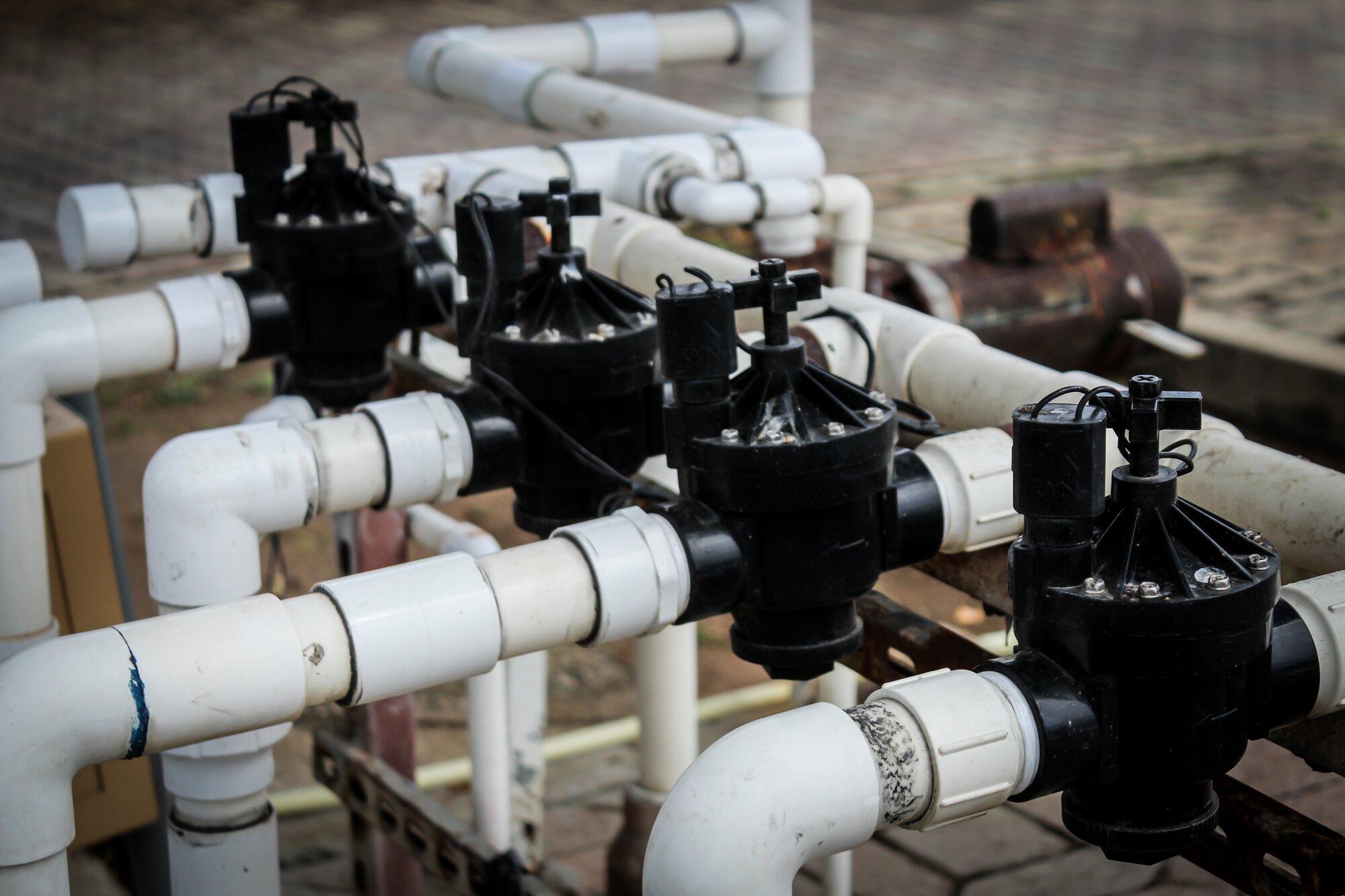
Solenoid Valves for Irrigation Systems: The Professional’s Guide
In any irrigation system, from a sprawling municipal golf course to a modest residential lawn, solenoid valves for irrigation systems are the "brain’s" muscle. While the irrigation controller (the brain) decides when to water, it is the solenoid valve that physically moves to allow water to flow to the sprinkler heads.
Understanding how these valves work, how to select them, and how to maintain them is critical for any facility manager or landscaping professional looking to reduce water waste and prevent system downtime.
How an Irrigation Solenoid Valve Works
Unlike industrial solenoid valves that often use a heavy metal plunger to block flow directly, most irrigation valves are pilot-operated diaphragm valves. This design is a masterpiece of hydraulic efficiency, using the water's own pressure to help the valve open and close.
- The Closed State: Water enters the inlet and passes through a small "bleed hole" into a chamber above a rubber diaphragm. This creates equal pressure on both sides of the diaphragm. Because the surface area on top of the diaphragm is slightly larger, the downward force keeps the valve tightly sealed.
- The Opening Process: When the controller sends a 24V AC signal to the solenoid coil, it creates a magnetic field that lifts a small plunger. This unseals a tiny "pilot hole," allowing the water trapped in the top chamber to escape downstream.
The Open State: With the pressure in the top chamber relieved, the high-pressure water from the inlet pushes the diaphragm up, allowing a full flow of water through the main orifice to the sprinklers.
Key Selection Criteria for Solenoid Valves for Irrigation System
When sourcing valves on a platform like Zoro, you’ll encounter various specifications. Here is what matters most for irrigation applications:
1. Voltage: 24V AC vs. DC Latching
Most standard irrigation controllers use 24V AC. However, if you are working in a remote area without a power grid, you might use a battery-operated controller. These require DC Latching solenoids, which only need a quick pulse of power to "flip" the valve open or closed, rather than a constant stream of electricity.
2. Flow Control Stem
High-end irrigation valves often include a flow control handle. This allows you to manually throttle the water flow to a specific zone. This is vital if you have a zone with low-pressure heads next to a zone with high-pressure rotors; you can "dial back" the valve to prevent "misting," which wastes water.
3. Port Size and Thread Type
Most residential valves use 1" NPT (National Pipe Thread), while commercial systems may scale up to 1.5" or 2".
Pro-Tip: For irrigation, "Slip" fittings (which are glued) are common in some regions, but Threaded fittings are generally preferred for easier replacement and maintenance.
4. Material: Plastic vs. Brass
- Plastic (Glass-filled Nylon): The industry standard. These are corrosion-resistant, affordable, and handle the "dirty" water of irrigation wells and ponds extremely well.
Brass: Reserved for high-pressure commercial systems or areas where the valve is exposed to heavy mechanical stress or extreme temperatures.
Common Problems and Troubleshooting
Irrigation valves live in a harsh environment—buried in the dirt, subjected to freezing temperatures, and tasked with handling "raw" water full of minerals and debris.
The Valve Won't Open
- Electrical Issue: Use a multimeter to check for 24V at the valve. If there is power but no "click," the solenoid coil has likely failed.
- Debris: A grain of sand can clog the tiny pilot hole, preventing the pressure from equalizing so the diaphragm can lift.
The Valve Won't Close (The "Weeping" Valve)
- Diaphragm Tear: If the rubber diaphragm has a pinhole leak or a tear, it cannot maintain the top-side pressure needed to stay shut.
- Backpressure: If the valve is installed backward (check the flow arrow!), the water pressure will actually force the valve open instead of holding it shut.
The "Buzzing" Sound
This is usually caused by insufficient voltage reaching the coil or a plunger that is stuck halfway due to mineral buildup (calcium/lime). Cleaning the internal "actuator" assembly often solves this.
Maintenance and Winterization
For professionals in colder climates, winterization is the most important maintenance task. Even a small amount of water trapped in the valve body can expand when frozen, cracking the plastic housing or the solenoid's internal tube.
- Blow-out Method: Use compressed air to clear lines, but be careful—excessive air friction can heat up and melt the plastic internals of a solenoid valve.
- Manual Bleed: Most modern valves have a "manual bleed" screw. This allows you to open the valve manually without the controller, which is helpful for testing zones during spring start-up.
By selecting the right valve for the specific "media" (city water vs. well water) and ensuring your voltage matches your controller, you can build an irrigation system that lasts for decades rather than seasons.
Product Compliance and Suitability
The statements contained in this guide are intended for general informational purposes only. Such statements do not constitute a product recommendation or representation as to the appropriateness, accuracy, completeness, correctness, or currentness of the information provided. Information provided in this guide does not replace the use by you of any manufacturer instructions, technical product manual, or other professional resource or adviser available to you. Always read, understand, and follow all manufacturer instructions. Portions of this article were generated in part by ChatGPT.
