


Surviving a Drought: 6 Tips for Landscapers and Their Customers
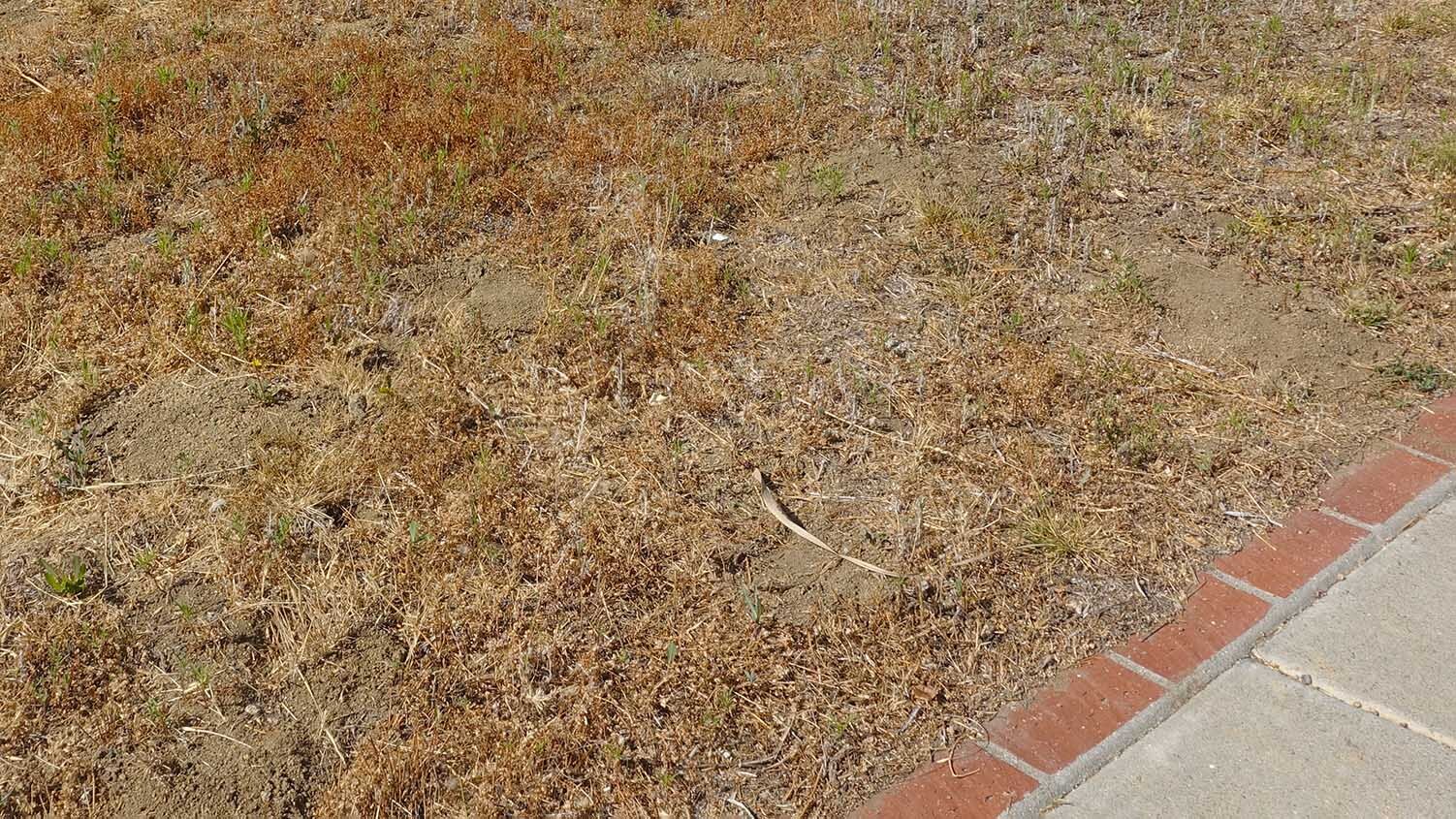
Droughts are difficult for everyone, but they can be especially challenging for landscaping businesses and their customers. Dry conditions can stress some plants and cause others to wither and die, making your job more difficult and leaving you with frustrated and unhappy customers. Fortunately, there are many steps you can take as a landscaper to build more resilient landscapes and lawns for your customers, as well as techniques you can use to prevent damage during a dry spell. Here, we'll take a closer look at 6 key tips for surviving a drought as a landscaper.
1. Apply Mulch to Your Landscapes
One way to prepare your business (and your customers) for a drought is to ensure you're using mulch in all of your landscaping projects. Many kinds of mulch are available—from peat moss or gravel to the commonly used bark chips that often surround trees and garden beds—and mulch can serve a number of purposes, including weed prevention and beautifying your landscape. But for our purposes, mulch is especially useful as a means of retaining moisture in the soil. Cover your soil and plant roots with mulch to absorb and retain water that can keep your plants healthier in drought conditions.
2. Consider Where You're Watering
Proper use of water for landscaping is also very important in a drought. For landscapers and landscaping customers, water conservation may involve ensuring that you're not wasting any water in the lawn watering process and that you're directing landscape water to the proper areas to make the most of a limited resource.
For example, you may want to prioritize trees, which are difficult to replace, as well as "functional" grass areas, instead of grassy areas and flowerbeds that can be replaced after a drought. You'll also want to keep sprinklers away from sidewalks and driveways (where water would be wasted) and water earlier in the day to reach roots more easily.
3. Avoid Pruning Plants
You might think that pruning your plants could help your landscape survive a drought because the smaller plants will need less water, but the opposite is often true. Pruning your plants is likely to cause plant stress and lost water, which will only harm them in the long run.
4. Mow Only When Necessary
Unless the landscape already has an efficient irrigation system in place to keep your grasses healthy during a drought, you should mow the lawn only when necessary in drought conditions. You'll likely need to mow the lawn at some point, but if you can wait longer, the landscape will benefit in the long run. When rainfall is low but you need to mow the lawn anyway, set your mower to a taller height than usual to reduce stress for your lawn.
5. Avoid Fertilizing
Fertilizer can be a great addition to a healthy landscape, but you should avoid using fertilizers during droughts and dry spells. For one thing, your plants and lawns will need some amount of water to absorb the fertilizer's nutrients, so it may be wasted in a drought. In addition, you could end up burning and damaging your landscape with fertilizers. If possible, aim to fertilize in the spring or fall.
6. Keep off the Lawn
Last but certainly not least, you and your landscaping customers will need to avoid walking on the lawn during droughts and dry spells. Your lawn may look comfortable for walking and playing, but footsteps can damage the stressed, sensitive grasses and make it more difficult for your lawn to survive a drought. Wait until the dry conditions have passed to make full use of your lawn—and when working with landscapes in a drought, be extra careful to avoid damaging the lawn with your feet.
A drought is never welcome news for landscapers, but there are steps you can take before, during, and after a dry spell to ensure the long-term health of your lawns and gardens. By taking these steps in your design and installation process—as well as communicating them with your customers and employees—you can build beautiful landscapes that survive and even thrive in dry, hot summers when water is scarce.
Looking for tools and equipment to build your landscaping business? Find everything you need at Zoro.com!
Product Compliance and Suitability
The product statements contained in this guide are intended for general informational purposes only. Such product statements do not constitute a product recommendation or representation as to the appropriateness, accuracy, completeness, correctness, or currentness of the information provided. Information provided in this guide does not replace the use by you of any manufacturer instructions, technical product manual, or other professional resource or adviser available to you. Always read, understand, and follow all manufacturer instructions.
