


Temporary Construction Lighting Requirements: What Business Owners Should Know
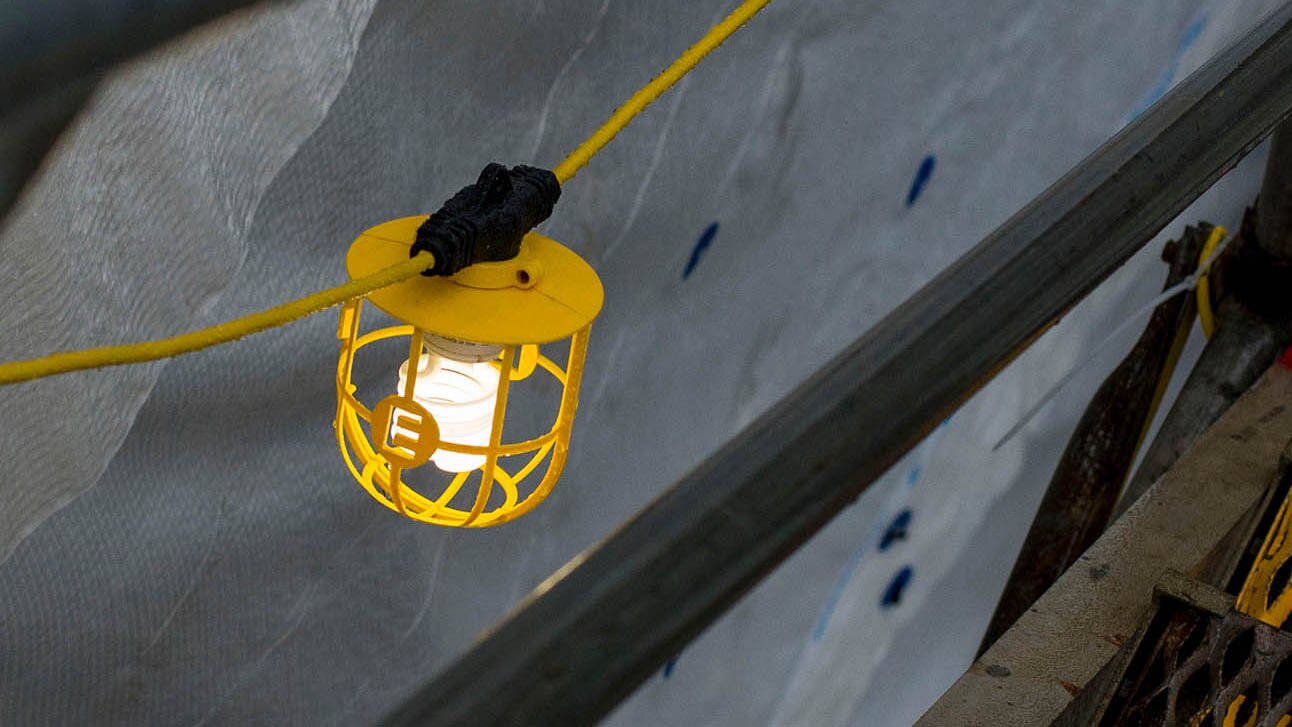
Why Temporary Lighting Matters on Your Jobsite
If your team is working in dim conditions (early mornings, night shifts, or enclosed spaces), temporary lighting isn’t a luxury. It’s a necessity. Proper lighting helps prevent accidents like trips and falls and makes hazards easier to spot. According to OSHA and the National Electrical Code (NEC), there are clear requirements for how jobsite lighting should be selected, installed, and maintained to help keep workers safe and operations running smoothly.
Know the Standards: OSHA Illumination Levels
OSHA Standard 1926.56 lays out the minimum lighting levels in foot-candles.
- General construction areas: at least 5 foot-candles
- Warehouse areas: minimum 10 foot-candles
- Detailed task zones (e.g., mechanical rooms or first-aid stations): 30 foot-candles or more
To put that in context: one foot-candle equals the light of a single candle from one foot away. When planning lighting for your construction site, consider the layout, the tasks at hand, and potential obstructions to ensure even, effective coverage.
Choose the Right Fixtures for the Job
Only heavy-duty lighting fixtures built for temporary use should be used. These include:
- LED temporary construction lighting
- String lights
- Portable floodlights
- Work lamps with protective cages or guards
If you’re working outdoors or in damp areas, make sure all fixtures are UL-listed and rated for wet locations. Avoid any setup that exposes hot bulbs or wiring, especially in high-traffic zones or where combustible materials are present.
Safe Mounting and Cord Management
Cords and fixtures should be mounted securely using hooks, brackets, or clamps on scaffolding, walls, or joists. Avoid laying cables across walkways as this poses a serious tripping hazard.
Best practices:
- Keep cords suspended overhead.
- Avoid running wires through doors or windows where they might be pinched.
- Use cord covers or overhead rigging to protect your setup.
NEC Compliance: Ground Fault Circuit Protection
Per NEC Article 590, all temporary lighting systems must be protected with ground fault circuit interrupters (GFCIs). These devices cut power if an imbalance is detected, helping reduce the risk of electric shock, especially in wet or outdoor environments.
Install GFCI outlets or use plug-in adapters with built-in protection to meet this requirement.
Make Inspections Routine
Temporary lighting isn’t a set-it-and-forget-it system. Schedule inspections daily or weekly, depending on site conditions. Watch for:
- Frayed cords
- Broken bulbs
- Loose fittings
- Exposed wiring
Replace or repair any damaged components immediately. Document your inspections to demonstrate due diligence—especially valuable in the event of a compliance check or incident.
Temporary construction lighting is about more than visibility. It’s about creating a safer, more efficient jobsite. By following OSHA temporary lighting requirements for construction as well as NEC guidelines, you can support your team’s safety, reduce liability, and avoid costly downtime.
Product Compliance and Suitability
The statements contained in this guide are intended for general informational purposes only. Such statements do not constitute a product recommendation or representation as to the appropriateness, accuracy, completeness, correctness, or currentness of the information provided. Information provided in this guide does not replace the use by you of any manufacturer instructions, technical product manual, or other professional resource or adviser available to you. Always read, understand, and follow all manufacturer instructions. Portions of this article were generated in part by ChatGPT, and edited by a member of the Zoro team.
