


Trailer Hitches and Towing Accessories Guide
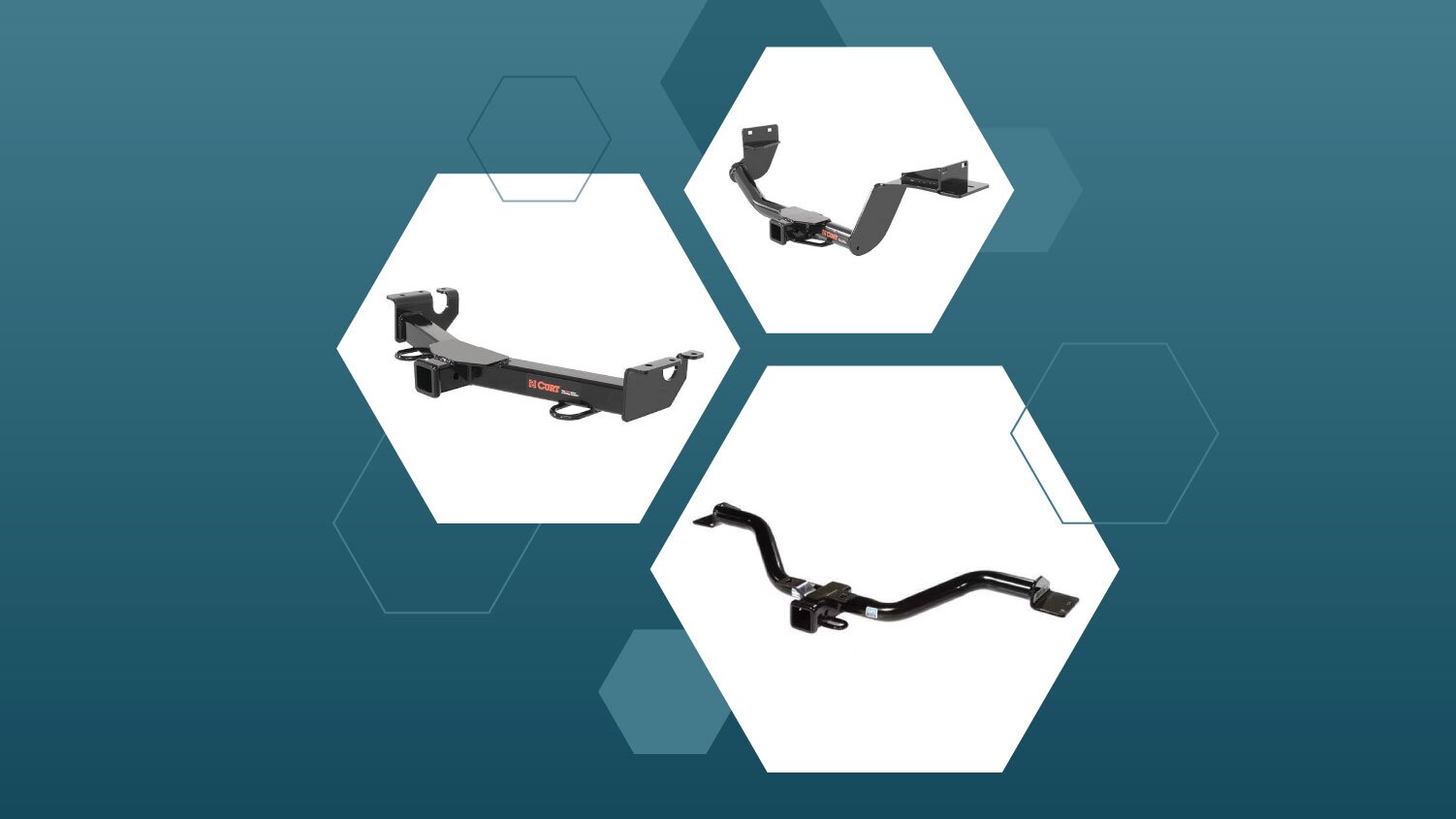
As a business owner who hauls equipment, materials, or trailers, you know that having the right towing setup isn’t optional. It’s essential to your operations. Whether you’re managing a fleet or just outfitting a single truck, selecting the correct commercial trailer hitches and industrial towing accessories will keep your team safe, your jobs on schedule, and your assets protected.
Understanding Hitch Classes
Choosing the right class of hitch comes down to matching your vehicle, trailer, and load weight so you never compromise safety or performance.
| Choosing the Right Hitch Class for Your Vehicle |
| Hitch Class | Common Applications | Receiver Size | Gross Trailer Weight Capacity (GTW) | Trailer Tongue Weight Capacity (TW) | Weight Distribution Capacity (WD) | Weight Distribution Tongue Weight Capacity (WDTW) |
Class 1 | Cars Crossovers | 1-1/4" | Up to 2,000 lbs. | Up to 200 lbs. | — | — |
Class 2 | Cars Crossovers Minivans | 1-1/4" | Up to 3,500 lbs. | Up to 350 lbs. | — | — |
Class 3 | Crossovers Vans SUVs Trucks | 2" | Up to 8,000 lbs. | Up to 800 lbs. | Up to 12,000 lbs. | Up to 1,200 lbs. |
Class 4 | Trucks SUVs | 2" | Up to 10,000 lbs. | Up to 1,000 lbs. | Up to 12,000 lbs. | Up to 1,200 lbs. |
Class 5 Xtra Duty | Trucks SUVs | 2" | 16,000 to 17,000 lbs. | 2,400 to 2,550 lbs. | 17,000 lbs. | 2,400 to 2,550 lbs. |
Class 5 Commmercial Duty | Dually Trucks Chassis Cab Trucks | 2-1/2" | 18,000 to 20,000 lbs. | 2,700 lbs. | 18,000 to 20,000 lbs. | 2,700 lbs. |





Different Types of Hitch Receivers
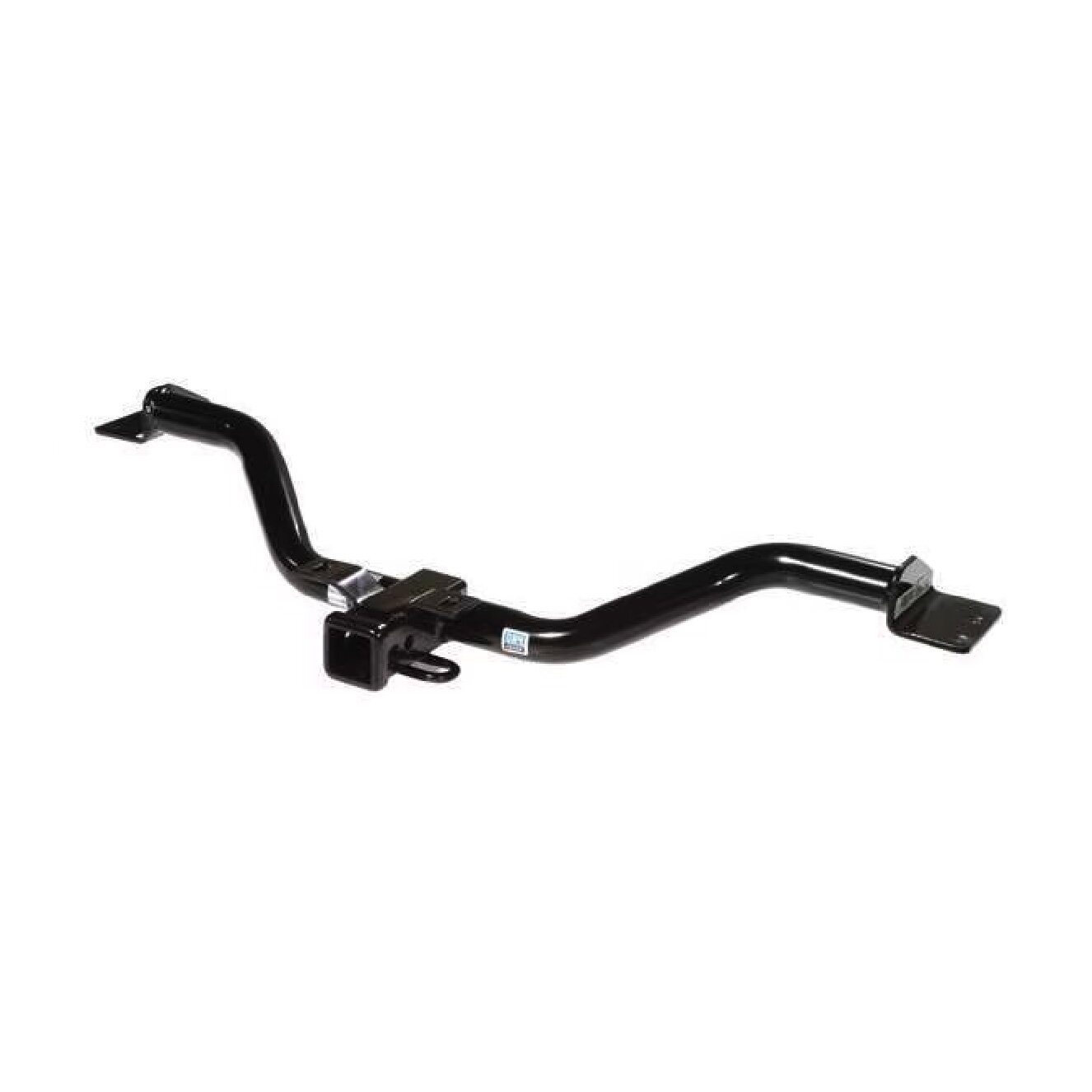
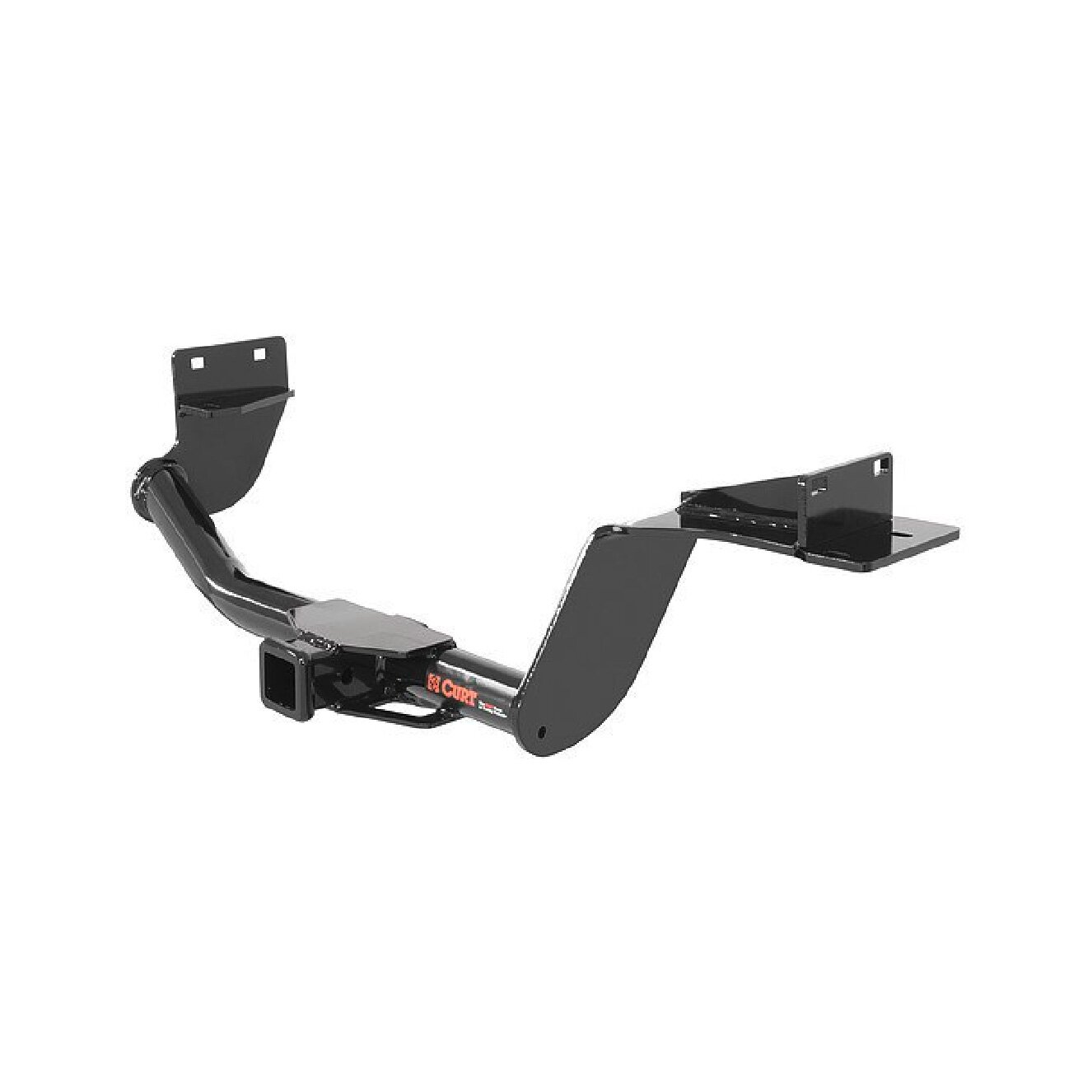
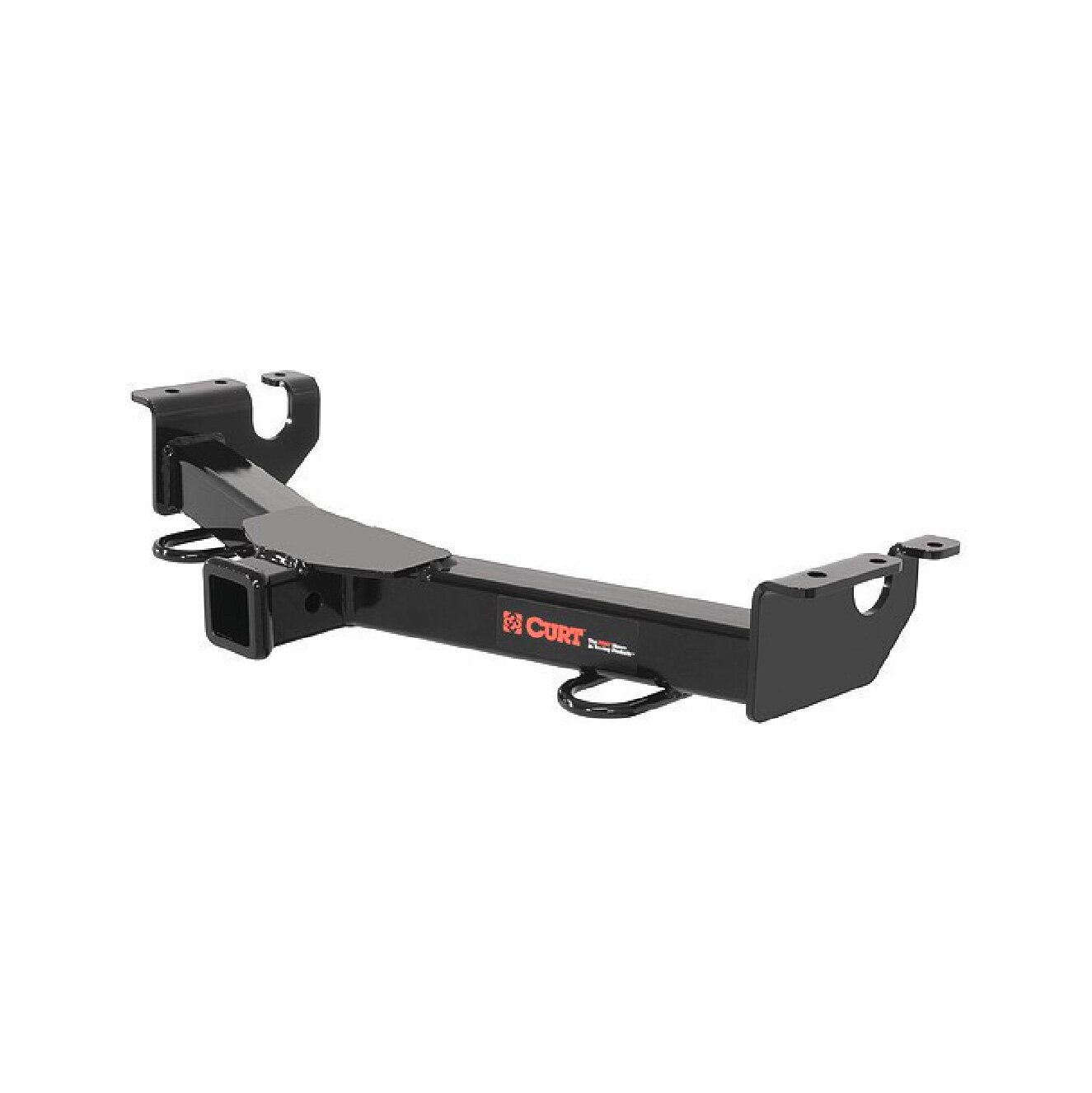
Not sure what type of hitch receiver to use with your vehicle or fleet? There are many options, but below are the three most common.
| Custom Hitch | Rear-Mount Hitch | Front Hitch |
 |
 |
 |
How to Determine the Correct Trailer Hitch Ball/Coupler Size
To determine the proper size for the trailer hitch ball and/or coupler you should be using, you'll need to measure your existing equipment and understand the exact weight you'll need to tow. Use these instructions to take measurements and make sure you're choosing the right size every time.
Step 1 Determine how much weight you're going to be towing.  | Step 2 Take the measurement from the ground to the top inside edge of the receiver tube.  |
Step 3 Use a hand level on the trailer jack to ensure the trailer is level and will allow for an accurate height measurement.  | Step 4 Take the measurement from the ground to the bottom of the coupler.  |
Step 5
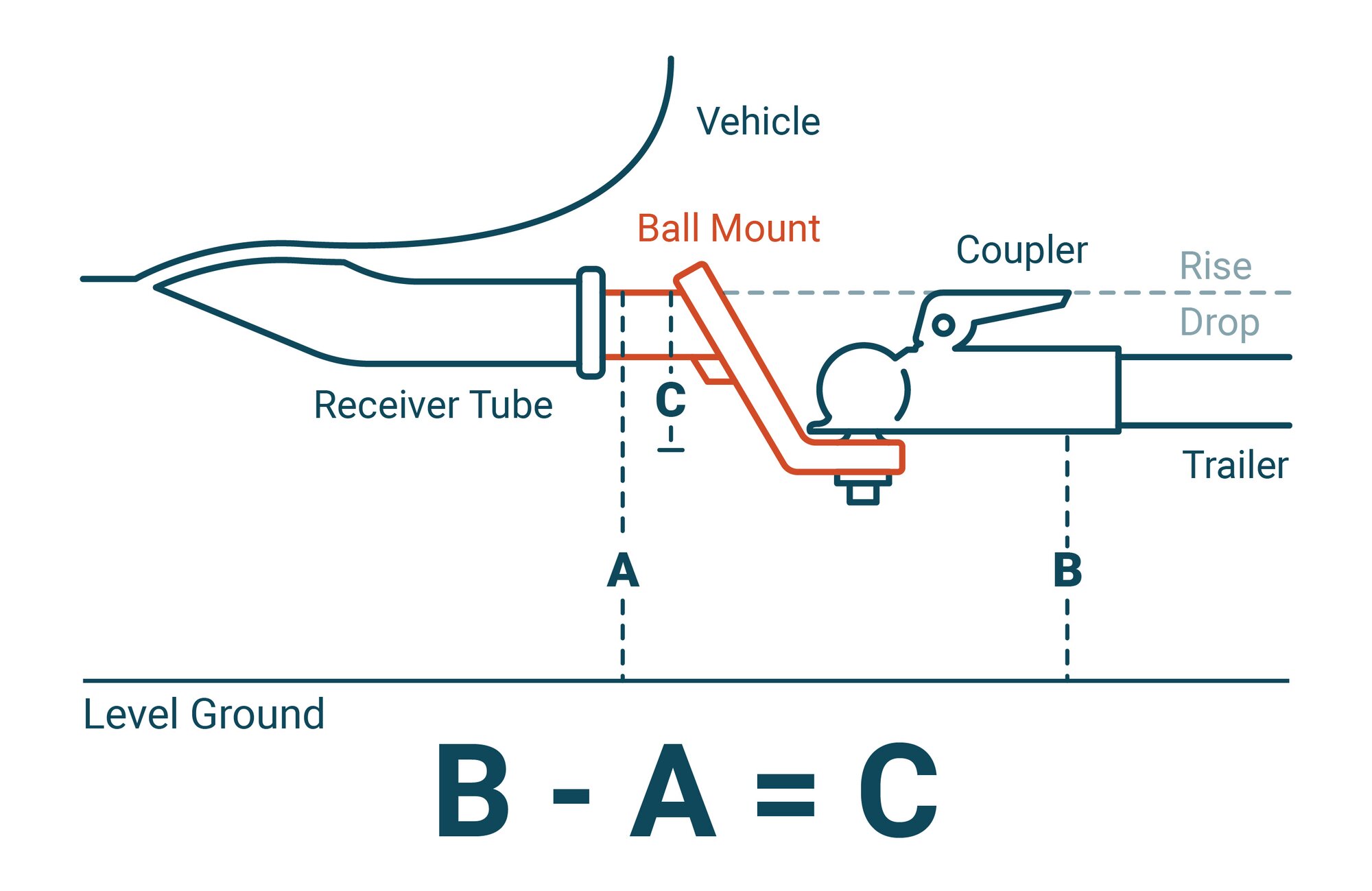
Take both measurements and subtract the receiver height from the coupler height. This will tell you what ball mount size you need.
How to Choose a Trailer Hitch
When you’re choosing a trailer hitch for your business, here are the things you should consider.
- What is the gross trailer weight (GTW) and tongue weight (TW) for your operation?
- Does the hitch class match the vehicle and trailer you use?
- Will you need to use adapters, extenders, or special components (especially in industrial setups)?
- Do you require an adjustable trailer hitch to account for varying load heights, different trailers, or seasonal changes?
- What towing safety equipment do you need alongside the hitch (for example, safety chains, hitch locks, coupler locks, lighting, and load-securement gear)?
- Do you have a plan for trailer hitch maintenance, such as inspecting mounting bolts, receiver tubes, welds, and the condition of trailer coupling devices?
Pintle Hitch vs. Ball Hitch
In many industrial or heavy-haul applications, you’ll face the choice between two major connection types: the pintle hitch and the ball hitch.
| Ball Hitch | Pintle Hitch | |
| Primary Use | Standard trailer towing | Heavy haul, industrial, and off-road towing |
| Connection Style | A hitch ball connects to a trailer coupler | A lunette ring connects to a pintle hook or pintle mount |
| Typical Load Range | Suited for lighter loads and everyday towing needs | Built for demanding, high-vibration, and heavy industrial loads |
| Operational Complexity | Simple, familiar setup for most fleets | More robust setup designed for harsh environments |
| Articulation & Movement | Limited articulation; best on paved or controlled surfaces | Greater articulation to handle uneven terrain and rugged jobsites |
| Common Uses | Businesses towing standard utility, cargo, or light equipment trailers | Construction, manufacturing, and equipment hauling fleets that need durability under tough conditions |
When you decide between the pintle hitch and ball hitch, think about your terrain, load variability, trailer design, and downtime costs.
Knowing Your Towing Capacity
Keep in mind that your towing capacity is only as high as the lowest capacity of any part of your towing setup. You may also want to limit your towing to under about 80% of maximum capacity to allow a margin for error. Need to know your towing capacity and find parts that match your needs? Look no further than Zoro's handy online auto parts finder for trailer towing hitches and more.
Trailer Hitch Accessories
From adapters and extenders to safety chains, locks, trailer jacks, and so much more, your business's towing setup won't be complete without the proper accessories. Make sure you can safely tow everything you need with help from these commonly used parts and components—all available at Zoro in a convenient variety of sizes and other considerations.
Towing doesn't have to be a daunting task for your business, but it all begins with having the right equipment. While this guide contains the basics that you need to know in order to begin towing with your vehicles, it's important to make sure you fully review and understand every part of your towing configuration before you hit the road, from the hitch and receiver to the ball mount and coupler. Make sure you have the parts you need and that you never exceed the maximum towing capacity of your setup. And if you ever find yourself missing an essential component or accessory, Zoro's comprehensive selection has you covered.
Product Compliance and Suitability
The statements contained in this guide are intended for general informational purposes only. Such statements do not constitute a product recommendation or representation as to the appropriateness, accuracy, completeness, correctness, or currentness of the information provided. Information provided in this guide does not replace the use by you of any manufacturer instructions, technical product manual, or other professional resource or adviser available to you. Always read, understand, and follow all manufacturer instructions. Portions of this article were generated in part by ChatGPT, and edited by a member of the Zoro team.
