


The Complete RJ45 Crimping Tool Kit: What Should Be Inside?
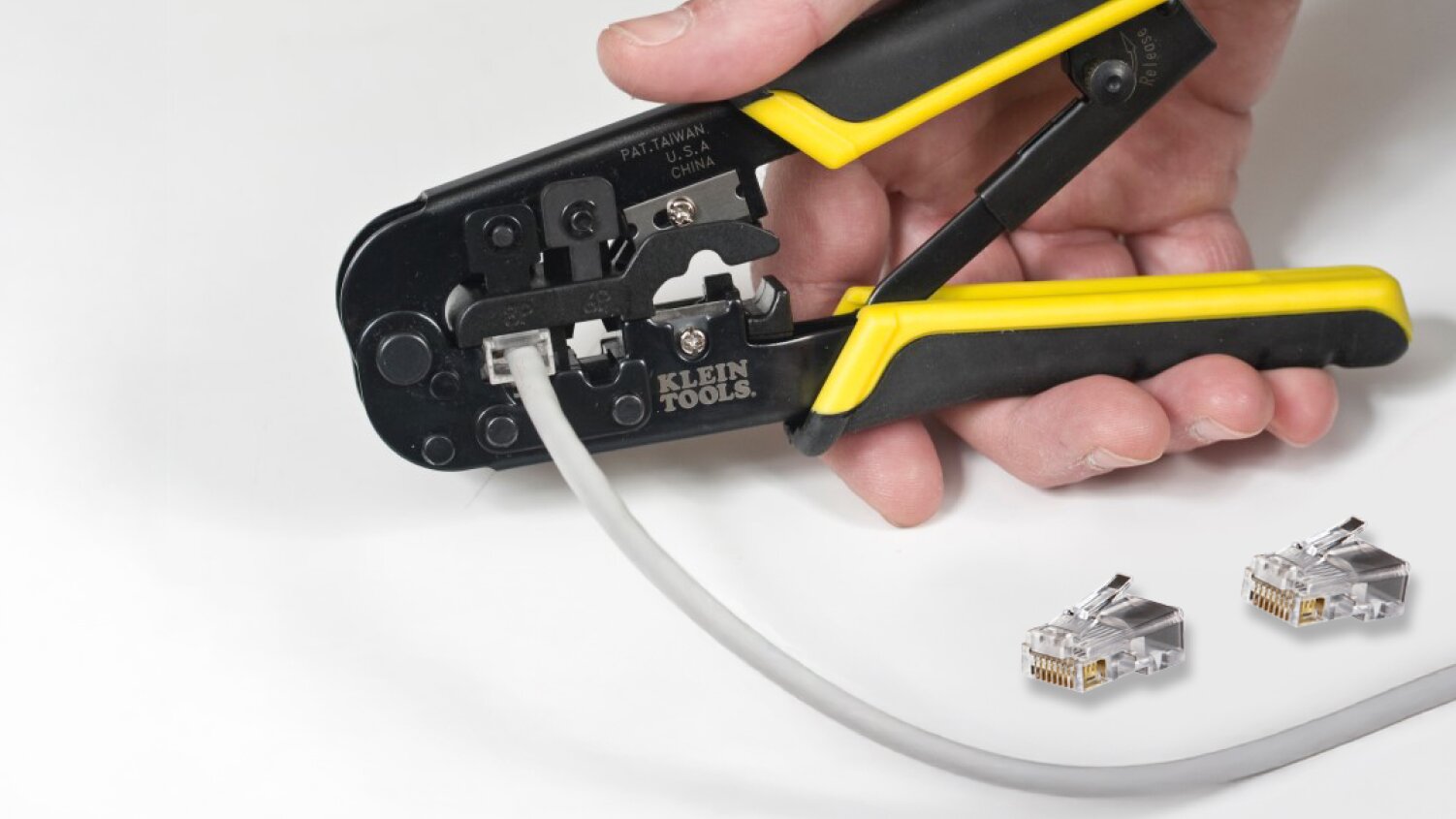
When you're building reliable Ethernet connections on the jobsite, speed and consistency matter. Whether you're terminating one cable or fifty, the quality of your RJ45 crimping tool kit shows up in every finished connection and every test result.
If you're evaluating kits for your team or setting up a mobile install crew, it's not just about the crimper itself. It's about having everything you need on hand to get the job done efficiently without chasing down missing parts or dealing with tools that can’t keep up.
This guide breaks down what a complete RJ45 crimping tool kit should include, how to spot the difference between consumer-grade and jobsite-ready gear, and how to make sure your tools match your cable and connector specs.
What Is an RJ45 Crimping Kit?
A reliable RJ45 crimping kit is more than a few jacks in a plastic box. It’s a bundled, job-ready set of tools and components designed to:
- Strip, prep, and terminate twisted-pair network cables
- Crimp RJ45 plugs securely and accurately
- Test your terminations for continuity
- Keep your work organized and repeatable
It’s an everyday tool for techs handling field terminations, patch cable repairs, or custom-length drops on-site.
Core Tools Every RJ45 Crimping Kit Should Include
RJ45 Crimping Tool
The crimper is the heart of your kit. A professional-grade tool should:
- Align all 8 pins evenly
- Seat wires with even pressure
- Include durable dies that won’t wear out quickly
Look for:
- Steel construction and replaceable blades
- Compatibility with your connector type (standard or EZ/pass-through)
- Ratcheting action for consistency (optional, but helpful)
If you're using EZ connectors, your tool should trim the wires flush after crimping. Entry-level kits often include crimpers that can slip or deform connectors, so investing in a tool that holds calibration pays off in the long run.
Cable Stripper
A clean strip protects the conductors and ensures accurate terminations.
Options include:
- Fixed-depth ring strippers for consistent jacket removal
- Adjustable strippers for different cable gauges
Make sure it works cleanly with Cat5e, Cat6, and Cat6a if needed. Avoid tools that tear shielding or leave jagged edges.
Cable Cutter
A clean, square cut is essential, especially for solid-core cable.
Look for:
- Hardened cutting edges
- One-handed operation with low recoil
- Spring-loaded handles for speed and comfort
Some cutters are combined with wire strippers—just ensure both functions perform reliably.
RJ45 Connectors
A kit should include a supply of RJ45 plugs matched to your cable type (solid or stranded).
Preferred specs:
- 8P8C configuration
- Gold-plated contacts (typically 50 microinches)
- Compatibility with your crimping tool
Shielded connectors may be included for Cat6a or outdoor installs, but standard unshielded RJ45 plugs are most common.
Cable Tester
This tool verifies your work and reduces guesswork.
At a minimum, it should check:
- Proper seating of all 8 wires
- Pinout type (T568A or T568B)
- Opens, shorts, or miswires
Advanced testers may include shield checks, PoE detection, or fault distance readouts. Look for a battery-powered unit with a remote for testing long cable runs.
Storage Case
Your case doesn’t have to be fancy, but it should:
- Hold tools securely
- Keep connectors dry and organized
- Handle everyday wear and tear
Soft zip pouches are fine for occasional use. Molded hard cases are ideal for high-frequency work environments.
Optional Addition for Pro-Level Kits
An EZ connector insertion tool can add value and versatility: it's great for frequent pass-through use.
Common Kit Mistakes to Avoid
- Using the wrong tool for your connector type (e.g., EZ plugs in a non-EZ tool)
- Incompatibility with Cat6a or shielded cable
- Flimsy strippers or cutters that can nick wires
- No tester included—which leaves you guessing
If you're working in PoE, surveillance, or industrial environments, a reliable tester is especially important. Basic units may miss high-resistance crimps or misaligned pairs.
Final Thoughts
If you're running network cable or supporting the folks who do, a well-equipped RJ45 crimping kit is essential. It’s not just about getting the job done faster. It's about clean, consistent results that reduce downtime, callbacks, and frustration.
