


The Ergonomic Shift in Hand Protection: What Small Business Owners Should Know
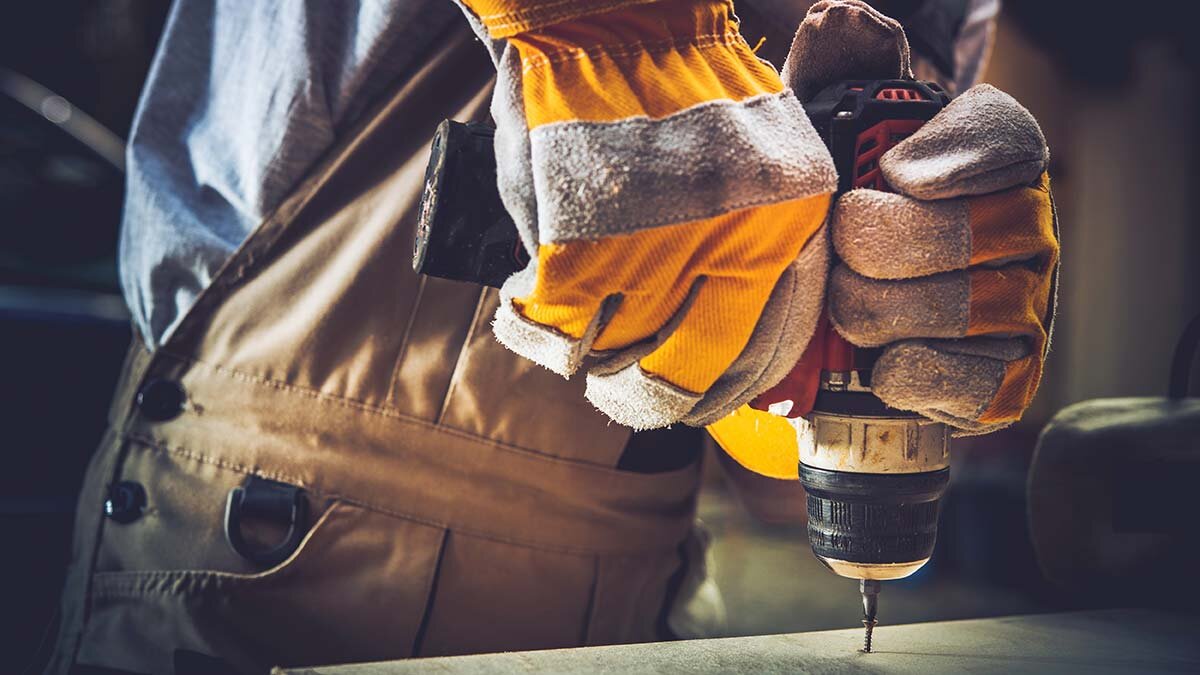
If you run a small business in construction or manufacturing, you already know how much your team’s hands are put to work gripping tools, lifting materials, and keeping production moving. Over time, those repetitive tasks can take a toll. The good news? Ergonomically designed gloves and tools are making it easier to protect your crew while maintaining productivity. Let’s take a closer look at how hand tool ergonomics and glove design are evolving and how that can make a difference for your business.
What Is Ergonomics in Hand Protection?
Ergonomics is all about designing work tools and environments that better fit the human body. When it comes to gloves, the goal is to support the natural shape and motion of the hand so tasks feel more comfortable and less fatiguing. An ergonomic protective glove may include features like pre-curved fingers, low-profile seams, or breathable materials. Together, these help minimize awkward grip positions and may reduce the risk of ergonomic hand injuries such as tendinitis or carpal tunnel syndrome.
What Can Cause Ergonomic Hand Injuries?
According to OSHA’s hand protection standard (1910.138), gloves must be matched to the hazards of the task. The following examples highlight how proper glove fit and thoughtful material and design can help reduce fatigue and improve safety on the job.
| Risk Factor | Solution |
| Repetitive gripping | Low-force grip ergonomic gloves |
| Hot environments | Breathable glove materials |
| Slippery tools | Textured palms for better grip |
| Prolonged tool use | Pair gloves with ergonomic tools |
Smart Glove Tips for Small Business Owners
Making the switch to ergonomic gloves doesn’t have to be complicated. Here are some practical ways to start.
Evaluate the Task, Not Just the Tool
Look at each role on your team. What motions are repeated? What tools are used most often? Gloves with vibration-reducing padding may be ideal for power tool use, while high-dexterity gloves work well for small-part handling.
Get the Fit Right
A glove that’s too loose or too tight can create more problems than it solves. Look for styles designed for ergonomic handling that match your team’s hand sizes accurately.
Ask for Employee Feedback
Let your crew try different glove styles during a trial period. Their input can guide smarter buying decisions and improve PPE adoption rates.
Adapt to the Environment
For warm worksites, choose gloves with microporous or moisture-wicking liners. In cold weather, insulated ergonomic gloves that maintain dexterity can help keep your team safe and comfortable.
Pair Gloves with Ergonomic Tools
Using ergonomic tools with contoured grips or anti-vibration handles can help reduce cumulative hand stress, especially during long shifts.
Train on Proper Fit and Wear
Even the most ergonomic glove won’t help if it’s worn incorrectly. A quick training session can ensure gloves are being used the way they’re designed.
Build It into Safety Reviews
Check glove condition and fit as part of routine safety checks. As tasks evolve, so should your PPE.
Stay Informed
While this article is for general informational purposes only, reviewing OSHA ergonomics standards can help you align your glove program with current ergonomic guidelines.
Investing in ergonomic gloves and tools is more than a comfort upgrade—it’s a step toward safer, more efficient jobsites. For small businesses, especially in construction and manufacturing, improving hand ergonomics may lead to reduced fatigue, better performance, and improved morale.
By taking the time to review glove fit, task demands, and environmental conditions, you’re not just protecting your crew, you’re building a stronger foundation for long-term success.
