


The Top 5 Reasons Your Small Business Needs a Backup Generator
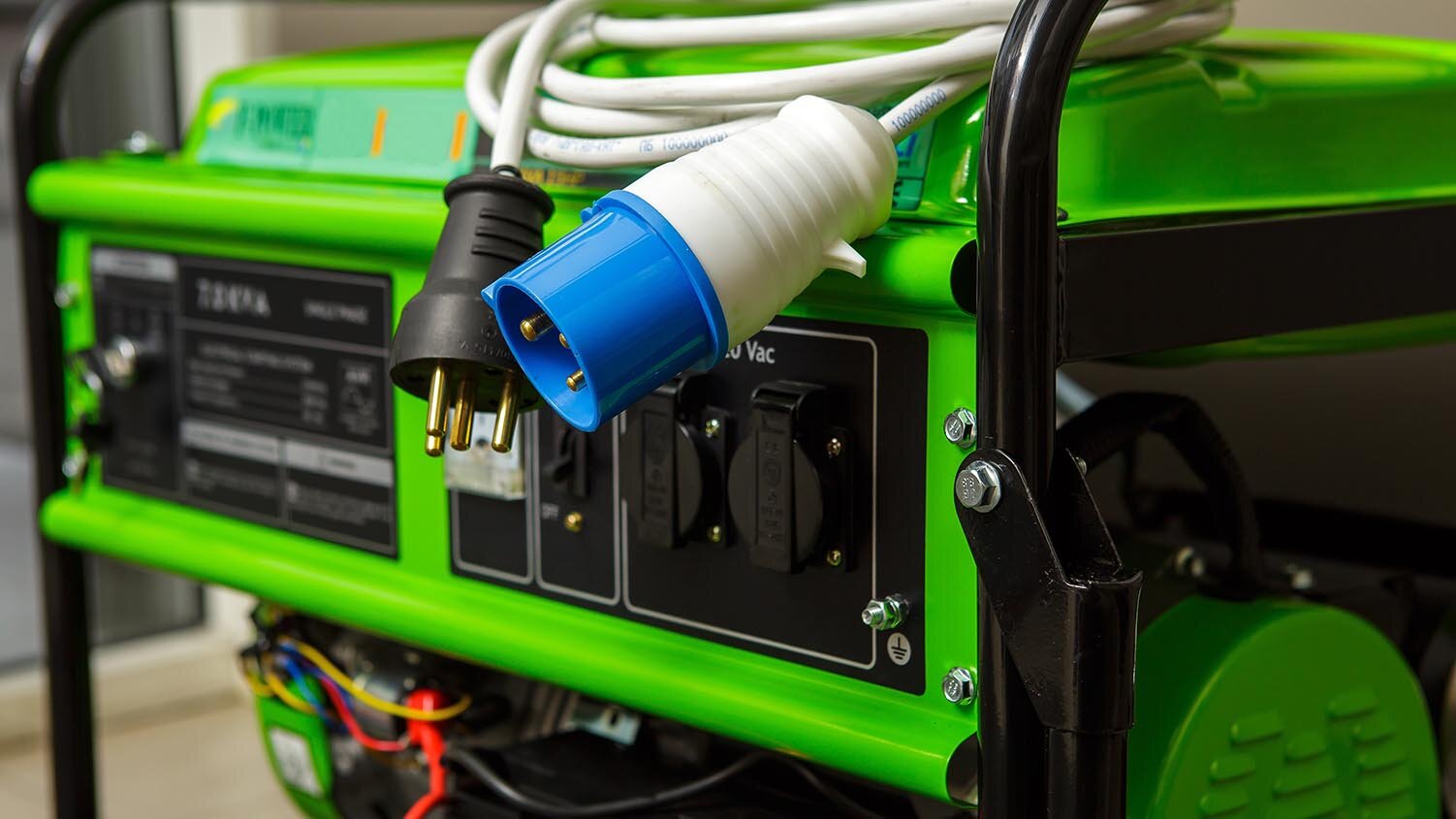
In the world of small business operations, one of the most important measures you can take (and one of the most often overlooked) is to protect your business from the threat of power outages. Though they usually don't occur very often, a single outage can have widely damaging results. Fortunately, you can prepare for an outage with a backup generator to support your operations during a disruption. From minimizing company downtime to enhancing security and building up your reputation with customers, here are 5 of the top reasons you should consider investing in a commercial backup generator for your small business.
1. Minimize Downtime
One of the primary reasons that small businesses should invest in backup generators is to ensure uninterrupted operations during power outages, which will protect your business against potential financial losses. A reliable backup generator guarantees continuity by powering essential equipment and systems, maintaining productivity even in adverse conditions. Additionally, having a backup power source enhances your company's resilience, instilling confidence in clients and customers about your ability to meet your commitments regardless of disruptions.
2. Prevent Loss of Revenue
A backup generator safeguards your small business's revenue by preventing costly downtime during power outages, allowing you to continue operations without disruption. This ensures that crucial revenue-generating activities—such as manufacturing, sales, and customer service—can proceed seamlessly, minimizing losses related to interruptions.
3. Protect Data and Equipment
Does your small business manage customer or client data on your own systems? If so, outages can lead to a serious risk of data loss or corruption that can compromise sensitive information. In these situations, backup generators help shield essential data when the power goes out, boosting your overall security and reputation.
4. Preserve Communication Systems
Stay connected with customers during power outages. With a reliable power source in place, communication channels—including customer support and online platforms—remain operational. This ensures that your business can keep in contact with customers, providing updates, addressing concerns, and upholding a sense of reliability even in challenging circumstances. Ultimately, the ability to stay in touch during outages enhances customer trust and loyalty and will give your business an edge over the long term.
5. Maintain Security Systems
Backup generators also boost security within your facility. They ensure the continuous operation of access systems, powered locks, and other security protocols. By keeping these systems online, your business ensures that authorized personnel can maintain secure entry, protecting valuable assets and confidential information during disruptions.
Investing in a backup generator is a critical and often indispensable choice for the modern small business. While they may not be necessary most of the time, generators can act as a reliable backup plan against serious disruptions that could otherwise jeopardize sensitive data, customer communications, security, and even the reputation of your business.
Even more importantly, your business can become stronger and more financially stable by investing in the right generator for your needs. By prioritizing this essential asset, your business can not only safeguard its operations now, but also plan for growth and success in the face of future uncertainties.
Shopping for backup generators and other items to protect your business in an outage? Find everything you need at Zoro.com!
Product Compliance and Suitability
The product statements contained in this guide are intended for general informational purposes only. Such product statements do not constitute a product recommendation or representation as to the appropriateness, accuracy, completeness, correctness, or currentness of the information provided. Information provided in this guide does not replace the use by you of any manufacturer instructions, technical product manual, or other professional resource or adviser available to you. Always read, understand, and follow all manufacturer instructions.
