


The Ultimate Guide to Painting a House
Boost curb appeal and value the right way with these useful tips
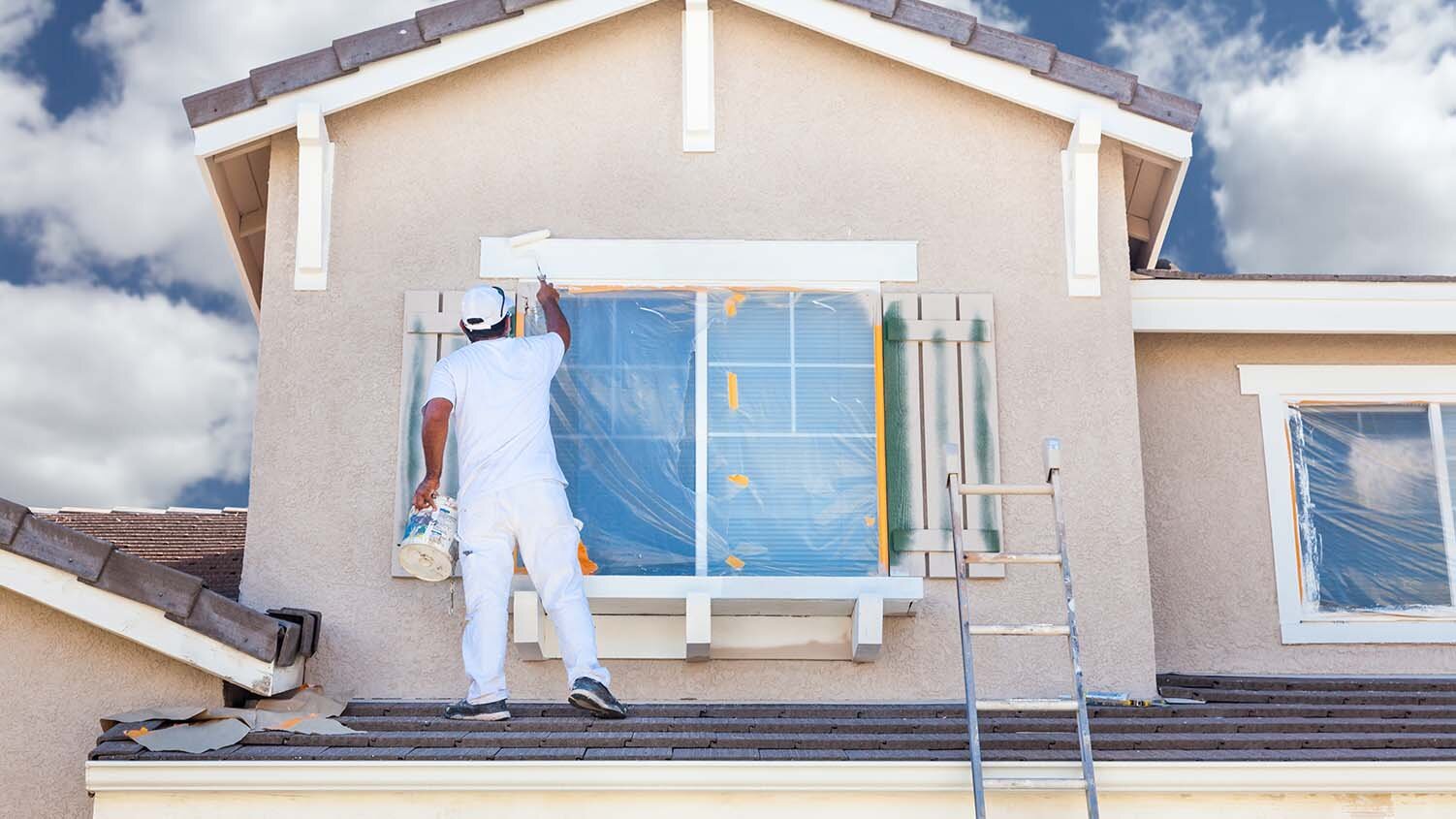
Painting a house is a big job—one that requires the right experience and tools. Typically, homeowners look at painting the exterior of their home as a way to boost curb appeal and their property's value. This sizable project can be time-intensive with no room for error. In this guide, you’ll learn everything you need to know about painting a house.
When to Paint House
When determining when to paint a house, consideration for weather and climate must be made. The exterior of the home should be dry. Painting in the rain is not recommended. When relative humidity hits 50%, the paint will start to dry more slowly.
Temperature also impacts the curing process. If the area receives direct sunlight, the paint can have waves or ripples after curing. Painting in temperatures below 37°F is a no-go as well because the paint won’t dry when it’s that cold.
Ideally, you should paint between the late morning after the dew evaporates and mid-afternoon, which should allow the paint sufficient dry time before the temperature becomes cooler. If you paint in the summer, be sure it’s not too hot. Spring or fall may be a better option because these seasons have fewer temperature spikes.
House Painting Tips
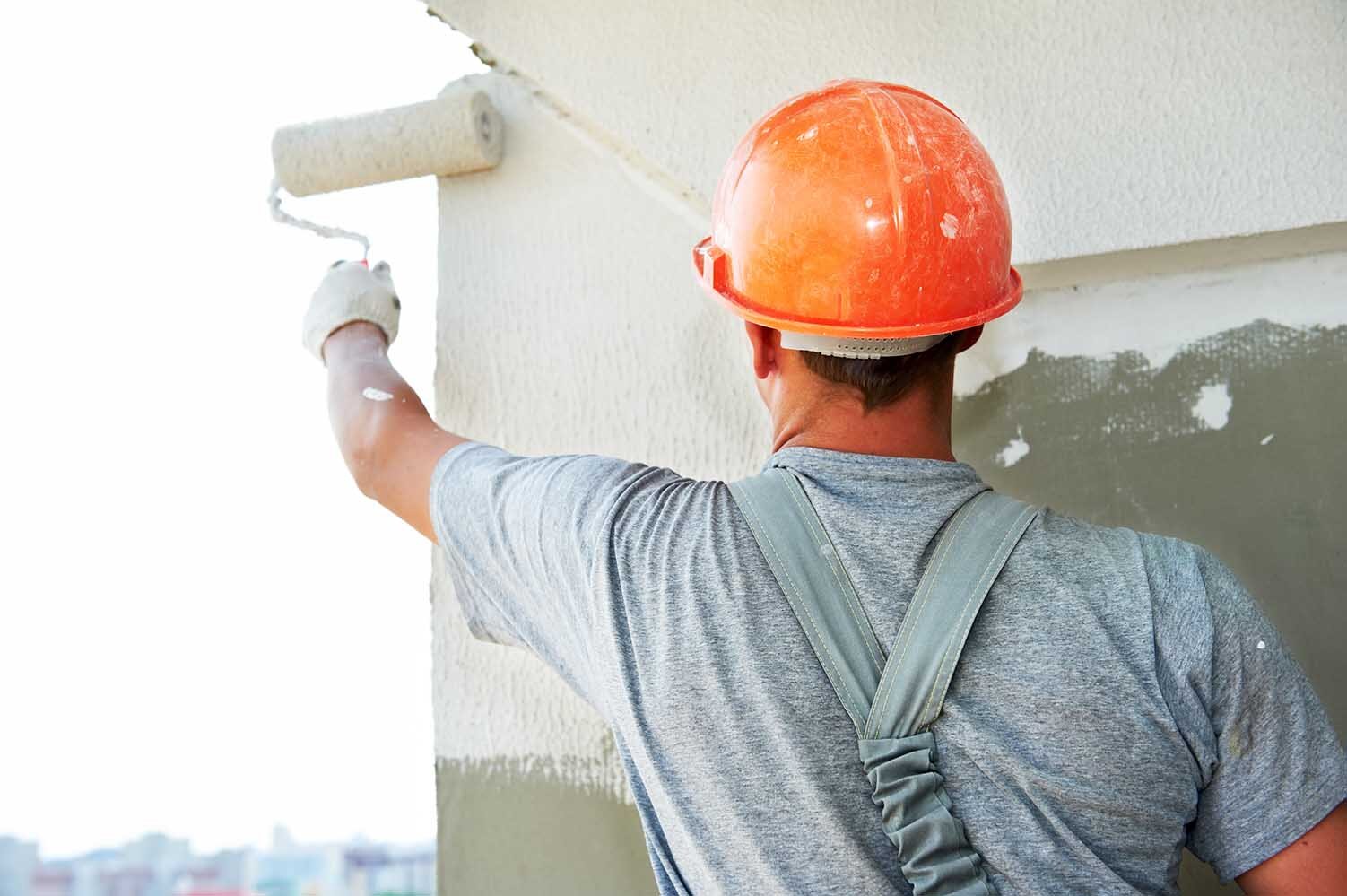
Preparation is vital in house painting. These tips on technique and painting supplies can make the entire project go smoothly.
- Complete an inspection of the home’s current exterior and note holes and cracks while also identifying what items will need to be moved before painting (gutters, drainpipes, etc.) or covered.
- Measure the entire surface that needs to be painted with a laser. Subtract windows and doors. Then determine the surface area. Add 10% to this for the amount of paint to purchase.
- Make a list of repairs that need to occur before painting, like broken pieces of siding or new trim.
- Take the time to properly putty small holes and cracks instead of just painting over them.
- Remove loose paint: any paint that is peeling or flaky needs to be removed because it won’t hold the next coat of paint. Use paint scrapers to remove it. However, only do this if you know lead-based paint was never used. If unsure, have it tested first.
- Clean the home’s exterior: the house needs to be cleaned with a pressure cleaner before the new paint is applied.
- Tape off windows, doors, lights, vents, and any other element not removed from the house.
- Caulk around windows, doors, and vents with thin lines of caulk. Let it dry at least two hours.

Paint Sheens: Which Is Best for House Painting?
Flat or matte paint sheens will go on faster. They have a slightly chalky feel. Matte paint doesn’t reflect light well so it hides bumps and gouges. Flat paint offers a modern and contemporary look. Its biggest downfall is that it’s difficult to clean. Also, the surface may turn chalkier in certain weather and may need repainting more often.
Satin paints only reflect a minimal amount of light so they also work well to camouflage imperfections. The feel of the satin sheen is slightly waxy. Colors are richer in a satin sheen than a flat sheen. It’s very easy to clean and lasts longer than flat paints. Its drawbacks are that lap marks may be present when painting, and it tends to have an uneven sheen. To correct this, ensure it is mixed thoroughly.
Painting a House: Roller or Sprayer
Most house painting today is done by paint sprayer. Sprayers are extremely well designed and provide even coats to each section. It would be nearly impossible to have the same consistency when just using a roller. Because of the size of the area and its imperfections, rolling the paint would quickly turn into a disaster.
However, it is a good idea to use the roller after the paint sprayer. Don’t dip the roller in the paint. Instead, use the roller dry and let it pick up the paint from the sprayer. This technique, known as back-rolling, helps ensure each coat looks seamless.
After painting the siding, you’ll need to work on the trim. Let the paint cure at least one day before you start on this. Then paint the door and window trim as well as eaves, fascia, and other trim pieces. You’ll use brushes to paint these areas. Employing a semi-gloss sheen here will make these areas pop.
Painting a house properly requires many steps. Those steps are necessary to ensure the finished job exceeds the expectations of homeowners. With these tips, you’ll be able to paint houses more efficiently.
Product Compliance and Suitability
The product statements contained in this guide are intended for general informational purposes only. Such product statements do not constitute a product recommendation or representation as to the appropriateness, accuracy, completeness, correctness or currentness of the information provided. Information provided in this guide does not replace the use by you of any manufacturer instructions, technical product manual, or other professional resource or adviser available to you. Always read, understand and follow all manufacturer instructions.
