


Top 5 Knife Safety Tips for Business Owners
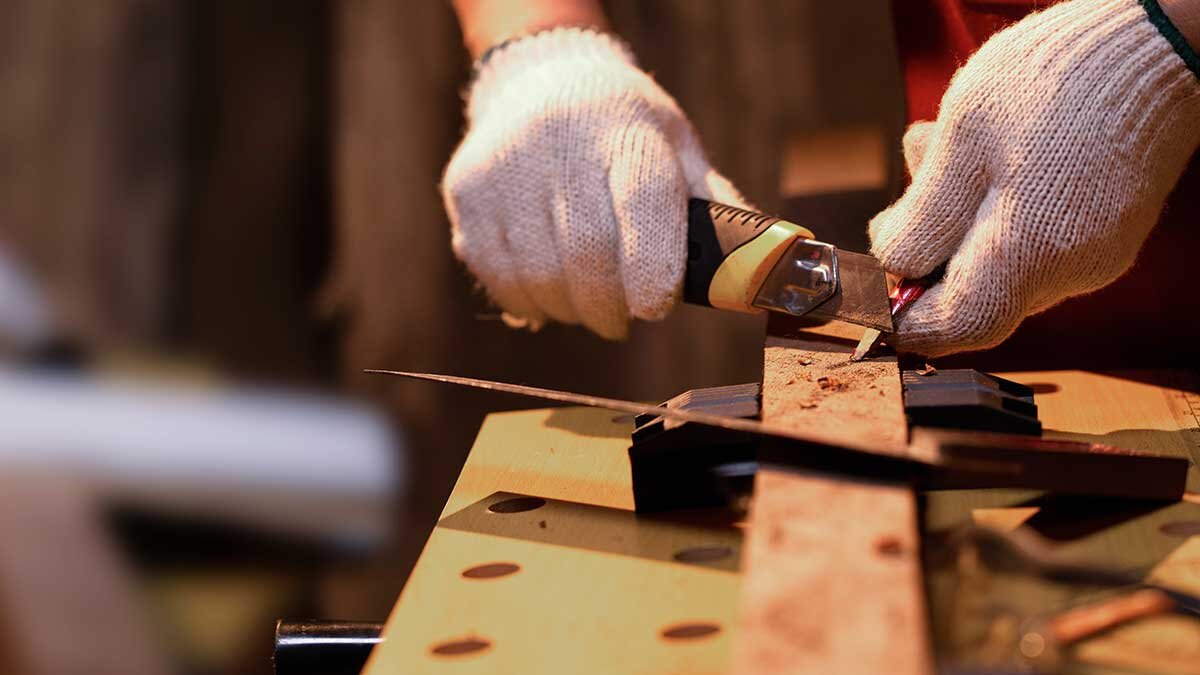
Knives have a variety of uses in industrial settings—from opening boxes to metalworking. Ensuring that your crew knows how to use knives safely is critical to avoiding injuries on the job. In 2020, cuts or lacerations accounted for 52,000 non-fatal workplace injuries as reported by Safety and Health Magazine. The following knife safety tips can help keep one of your employees from being included in the statistics.
1. Train Your Employees on Knife Safety
Training your employees how to safely use knives on the job is an effective way to reduce laceration injuries. Hold regular training sessions on knife handling, use, and storage and remind employees of safe knife usage as they work. Safety videos on knife usage are an engaging way for your employees to learn, and they can prompt meaningful discussion as a part of your safety workshops.

2. Use Additional Equipment to Ensure Knife Safety
Safety Gear
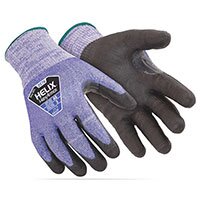
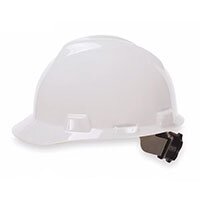
While knives are the main character here, there are all kinds of supporting equipment that can make knife usage safer. Require that your employees use cut-resistant gloves, safety goggles, hard hats, and any other articles of PPE that apply to the task at hand.

Knife-Sharpening Gear
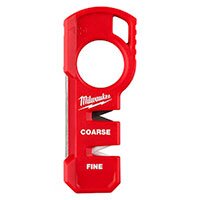
Keep in mind that sharp knives are safer knives. When the knife is sharp, your employees will strain less when cutting, which can help them avoid dangerous slips. Knives should only be sharpened by those who are trained or by a professional knife sharpener. Always inspect your knife before use or sharpening. Look for any damage and make sure there’s a secure connection between the handle and blade.


3. Set Up Workstations for Knife Safety
Make it as easy as possible for your employees to practice safe knife handling by setting up workstations that are specifically designed for knife usage. Designate these areas with “Knife Usage Area” signs and equip them with everything your employees will need to safely use cutting tools, including flat cutting surfaces and magnetic strips, sheaths, and knife blocks for safe storage.
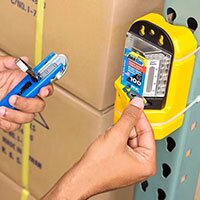
If your business regularly uses disposable blades, include utility knife blade dispensers and sharps disposal containers in your workstations.

4. Be Prepared for Emergencies
Even with extensive knife safety training and ample PPE, accidents can still happen. Make sure your employees are trained on first aid procedures in case of an injury. In addition, include first aid supplies in all of your knife-safety workstations for easy access.

Our first aid supplies checklist makes it easy to gather all the supplies your business needs in case of an injury.
5. Communicate in All the Ways You Can
People absorb and process information in different ways. That’s why it’s important to implement a culture of knife safety through multiple channels, including signage, live training, demonstrations, video tutorials, verbal reminders, and any other ways you can reach your employees.

Zoro Is Your Destination for Knives and Safety Supplies
Now that you know what to do to keep your employees safe while using knives, are there any gaps in your equipment? From utility knives to PPE, we have all the cutting tools and safety equipment your business needs to effectively cut materials and stay safe.
Product Compliance and Suitability
The statements contained in this guide are intended for general informational purposes only. Such statements do not constitute a product recommendation or representation as to the appropriateness, accuracy, completeness, correctness, or currentness of the information provided. Information provided in this guide does not replace the use by you of any manufacturer instructions, technical product manual, or other professional resource or adviser available to you. Always read, understand, and follow all manufacturer instructions.
