
Types of Angle Grinder Wheels
Angle grinder wheel types explained: cut, grind, finish, and clean.
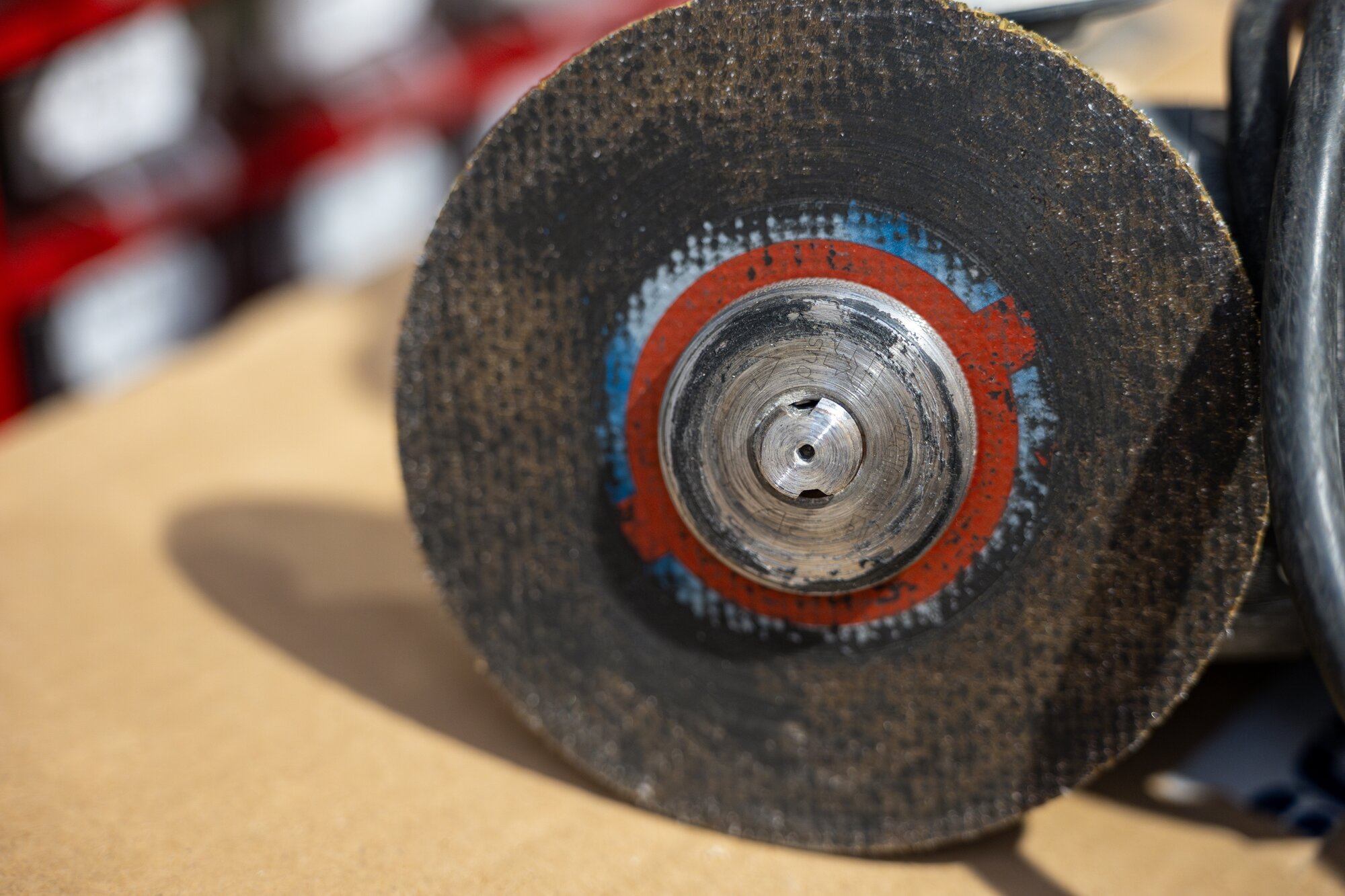
Angle Grinder Wheels
Most angle grinder work falls into a few wheel families: cut-off wheels (cutting), grinding wheels (material removal), flap discs (grind + finish), and wire wheels (cleaning). Zoro’s selection guide highlights Type 1 (straight/cut-off) and Type 27 (depressed center) as two of the most common wheel styles used on angle grinders.
What you’ll need
- The right wheel for the job and the grinder’s RPM (wheel max RPM must meet/exceed tool RPM) (OSHA)
- Properly positioned guard and a two-hand grip setup (side handle installed)
- PPE: eye/face, hearing, and respiratory protection as needed
The main types of angle grinder wheels (with best uses)
1) Cut-off wheels (Type 1 straight wheels)
Best for: Cutting metal (bolts, rebar, angle iron), thin stock, masonry (with the correct rated wheel)
What to know: Cut-off wheels are meant for cutting—not side grinding. Type 1 straight wheels are one of the most common styles.
2) Depressed center grinding wheels (Type 27)
Best for: Heavy grinding, beveling edges, removing welds, aggressive stock removal
What to know: Type 27 wheels are a common angle-grinder wheel style. Type 27 depressed center wheels are one of the most common wheel styles, and OSHA notes that wheel shapes like Type 27 require appropriate adapters/flanges due to side pressure in use.
3) Flap discs (grind + blend + finish)
Best for: Blending welds, smoothing edges, surface prep, finishing metal without switching tools
What to know: Flap discs are coated-abrasive discs that can remove material and leave a more refined surface. Many suppliers describe Type 27 (flat) vs Type 29 (conical) flap discs, where Type 29 is typically favored for more aggressive grinding and contour work at working angles.
4) Wire wheels and wire cup brushes (cleaning & surface prep)
Best for: Rust removal, paint removal (light), cleaning weld spatter, surface prep on metal
What to know: Wire wheels are for cleaning, not precision grinding. They can throw wires—PPE and guard positioning matter.
5) Sanding discs / fiber discs (controlled surface work)
Best for: Surface conditioning, smoothing, removing coatings, finishing steps
What to know: Often used with a backing pad. Great when you want more control than a grinding wheel and a different finish than a flap disc.
6) Diamond blades & diamond cup wheels (masonry, tile, concrete)
Best for: Concrete, stone, masonry cutting (diamond blade) and concrete surface grinding (diamond cup)
What to know: Use dust control and the right guard/shroud for masonry work.
7) Specialty wheels (deburring/finishing, Scotch-Brite™-style, etc.)
Best for: Light deburring, blending, finishing and surface conditioning
What to know: Many abrasive manufacturers group these into finishing wheels for blending and final surface prep.
How to choose the right wheel (fast checklist)
- Task: cut vs grind vs finish (don’t force a cutting wheel to grind)
- Material: metal vs stainless vs masonry (match abrasive type)
- Wheel shape: Type 1 for cut-off; Type 27 for grinding; flap disc type for blending/contours
- Size & fit: diameter + arbor size must match your grinder
RPM rating: wheel max RPM must meet/exceed tool RPM (OSHA)
Safety notes that apply to every wheel
- Keep guards in place and properly positioned; OSHA’s abrasive wheel machinery standard sets guard requirements for many abrasive wheel applications and references ANSI B7.1 for design specs. (OSHA)
- Replace damaged wheels (chips/cracks/warping).
- Run a quick test spin (off the workpiece) after installing a new wheel.
FAQs
What are Type 1 vs Type 27 wheels?
Type 1 is a straight wheel commonly used for cut-off applications, while Type 27 is a depressed center wheel commonly used for grinding.
What’s the difference between Type 27 and Type 29 flap discs?
Many abrasive references describe Type 27 flap discs as flatter and Type 29 as more conical/angled, often used for aggressive stock removal and contour work at certain working angles.
Product Compliance and Suitability
The statements contained in this guide are intended for general informational purposes only. Such statements do not constitute a product recommendation or representation as to the appropriateness, accuracy, completeness, correctness, or currentness of the information provided. Information provided in this guide does not replace the use by you of any manufacturer instructions, technical product manual, or other professional resource or adviser available to you. Always read, understand, and follow all manufacturer instructions. Portions of this article were generated in part by ChatGPT.
