


How to Use Bar Clamps (Types & Common Mistakes)
Learn Proper Techniques, Clamp Types, and Mistakes to Avoid for Stronger, More Accurate Holds
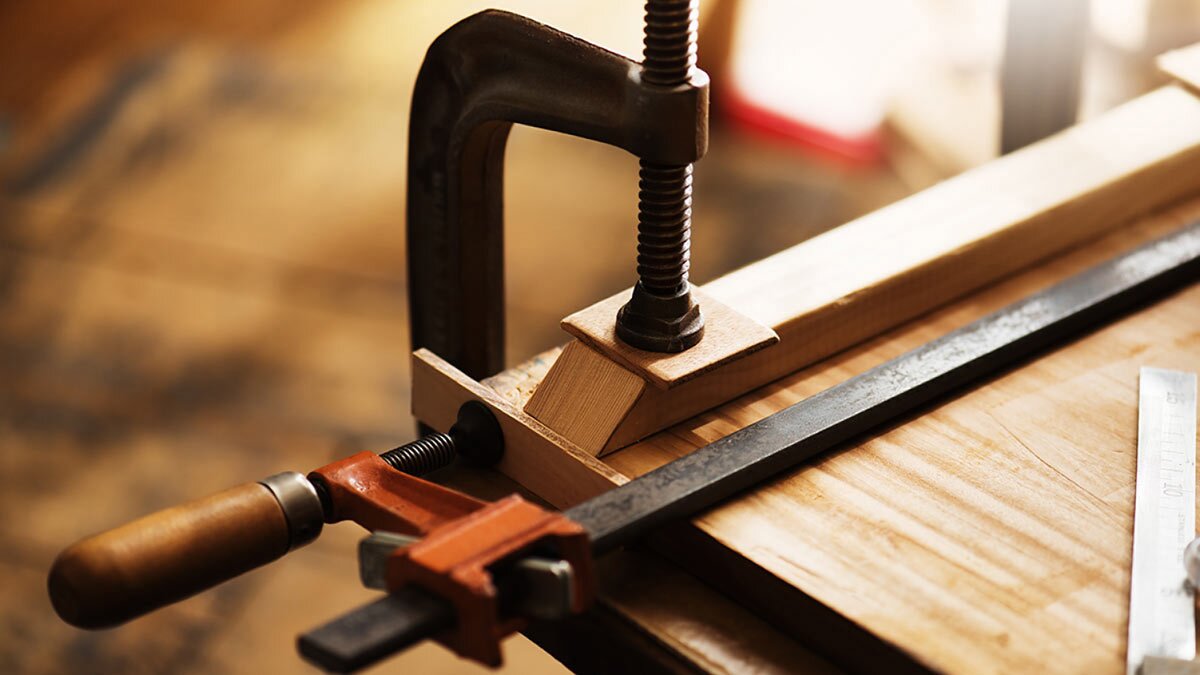
Bar clamps are one of the simplest tools in a shop—and one of the easiest to misuse. Used correctly, they act like an extra set of hands, applying controlled pressure to keep parts aligned during cutting, gluing, drilling, welding fit-up, or assembly. This guide covers how to use bar clamps step-by-step, which clamp style to choose, and answers the top comparison questions like pipe clamp vs bar clamp, bar clamp vs trigger clamp, and parallel clamp vs bar clamp.
What Is a Bar Clamp and What Is It Used For?
A bar clamp applies pressure across a workpiece using two jaws—one fixed and one sliding—mounted on a long bar (beam). You tighten it with a screw handle or trigger mechanism to hold materials securely in place while you work.
Common uses
- Holding boards and panels during glue-up
- Keeping frames square during fastening or assembly
- Stabilizing parts during drilling, routing, sanding, or cutting
- Holding parts in position for welding fit-up and tack welds
Types of Bar Clamps & Typical Uses
| Description | Typical Uses | |
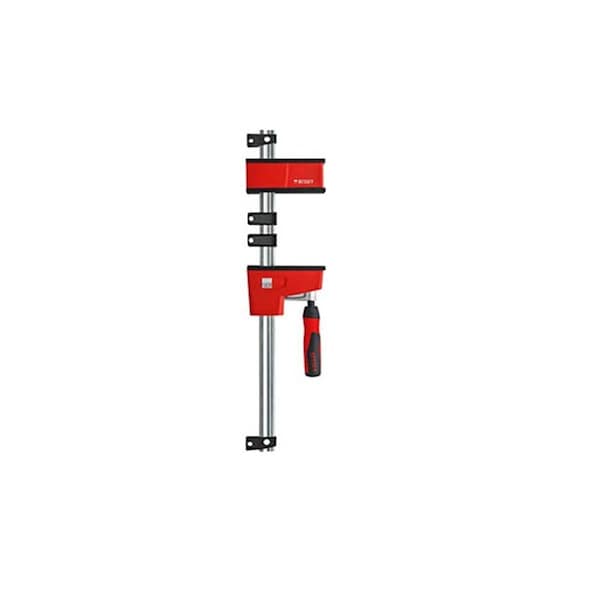 | Two jaws stay parallel under pressure, helping distribute force evenly across surfaces. | Common uses include gluing panels, assembling cabinets, or other precise woodworking. |
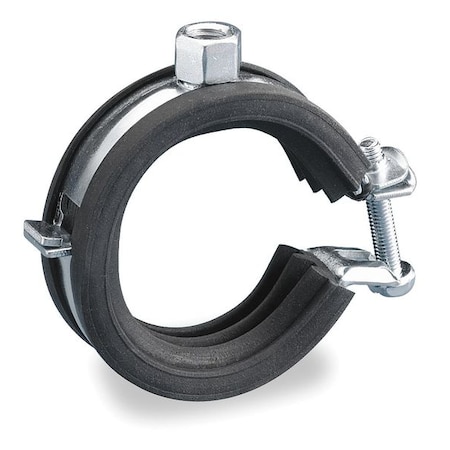 | Jaws slide onto a steel pipe for adjustable length and strong holding power. | Commonly used for securing wide workpieces or piping in fabrication or HVAC installs. |
 | An “F” shaped clamp with a fixed and sliding jaw for adjustable holds. | Commonly used in woodworking, welding, or general assembly work. |
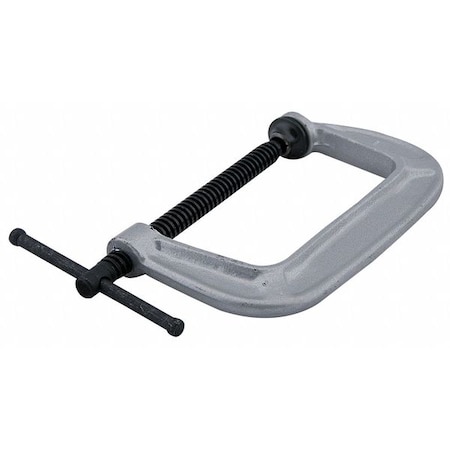 | Classic frame with a threaded screw. Provides direct pressure in a compact design. | Useful for holding metal or wood in place during drilling, fastening, or welding. |
 | A one-handed trigger mechanism allows for fast clamp-and-release functionality. | Commonly used in fast-paced assembly, light woodworking, or field adjustments. |
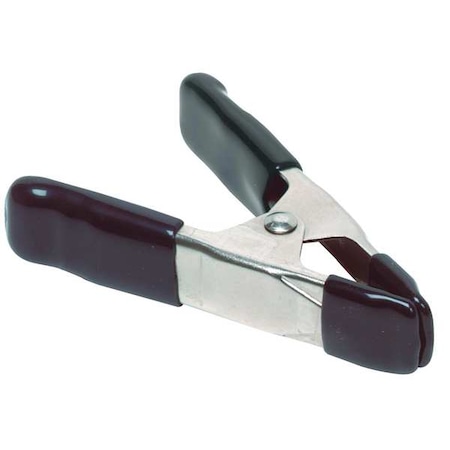 | Uses a spring mechanism to apply pressure. Compact and easy to use. | Typically applied for temporary holds during gluing, fastening, or layout work. |
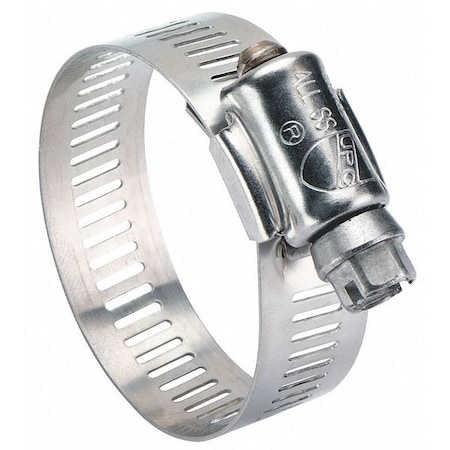 | Tightens around a hose using a screw to prevent leaks or slippage. | Common in automotive, plumbing, or equipment maintenance applications. |
Key Considerations when Selecting the Ideal Bar Clamp
Consider Your Workpiece Size & Material
Not all materials need the same amount of pressure. Woodworking requires even force to avoid surface damage. In contrast, metalworking often needs a stronger clamp to keep parts steady during cutting or welding. Choosing a clamp that matches the material helps support consistent alignment and reduces the risk of damaging the workpiece.
Check Clamping Force Requirements
Make sure the clamp offers the holding strength you need. A clamp with an appropriate pressure rating helps hold your material in place without over-tightening—particularly when working with softer woods or delicate components. Effective clamping typically requires balancing holding force and material stress.
Assess Your Work Environment
Are you working at a bench or out in the field? Bench clamps are often used for fixed setups where consistency and repeatability are desired. Portable bar clamps offer flexibility when you're onsite or working in tight spaces and need adjustable solutions.
Look for Durability & Adjustability
For frequent use or applications involving high pressure, metal wood clamps are often selected for their durability. And in environments where moisture or dust is a factor, coated bars may help resist rust and wear under typical shop or jobsite conditions.
How to use bar clamps (step-by-step)
Step 1: Choose the right clamp length and throat depth
- Length/capacity: pick a clamp that spans your workpiece with extra room for pads/cauls.
- Throat depth: deeper throat reaches farther into panels and frames.
Step 2: Prep your surfaces and layout
Before clamping:
- Dry fit your parts so you know where clamps should go.
- Plan placement so pressure supports alignment instead of creating twist.
Step 3: Protect the workpiece (pads, scrap blocks, cauls)
To prevent dents, clamp marks, or glue bonding pads to the workpiece:
- Use clamp pads or scrap wood blocks at jaw contact points.
- For panel glue-ups, use cauls (straight boards) to help keep the panel flat.
Step 4: Set the jaws and align the clamp
- Slide the movable jaw close to the workpiece.
- Keep the bar roughly perpendicular to the joint line when possible.
Step 5: Tighten gradually and evenly
This is where most clamp problems happen.
Best practice
- Apply “snug” pressure across all clamps first.
- Re-check alignment (square, flush faces, panel flatness).
- Tighten in small increments, alternating between clamps.
Avoid
- Cranking one clamp to full pressure while others are loose.
- Over-tightening soft woods or thin stock (can cause bowing or squeeze-out issues).
Step 6: Check for square, flat, and slip
As pressure increases, parts can shift.
- Use a square on frames.
- Check panels for cupping or bowing.
- Adjust clamp position if you see racking.
Step 7: Clean squeeze-out and let it set
If you’re gluing:
- Clean squeeze-out at the appropriate time for your adhesive.
- Leave clamps on for recommended clamp time, then allow full cure before heavy stress.
FAQs
Q: What is the purpose of a bar clamp?
A: To apply controlled pressure across a workpiece so parts stay aligned and stable during assembly, fastening, cutting, or curing.
Q: What are the best bar clamps?
A: It depends on the job—parallel clamps for precision glue-ups, F-style bar clamps for general shop work, trigger clamps for fast positioning, and heavy-duty/I-beam styles for long spans and higher pressure.
Q: Who makes the best bar clamps?
A: “Best” usually comes down to beam stiffness, jaw alignment, pad quality, handle comfort, and durability—matched to your most common tasks.
Q: What is the strongest type of clamp?
A: If “strongest” means high pressure across a span, heavy-duty bar clamps and parallel clamps are strong options. If it means high localized pressure in a compact tool, C-clamps are often a go-to.
Q: What is the difference between a bar clamp and a trigger clamp?
A: Trigger clamps are designed for quick, one-handed operation. Traditional bar clamps often offer more controlled tightening and can be better for glue-ups where steady, even pressure matters.
Q: What is the difference between a C-clamp and a bar clamp?
A: C-clamps are compact and apply force in a small area. Bar clamps span larger widths and are better for frames and panels.
Q: What to use instead of bar clamps?
A: Pipe clamps for long spans, C-clamps for tight areas, spring clamps for temporary holds, and strap clamps for irregular shapes.
Product Compliance and Suitability
The product statements contained in this guide are intended for general informational purposes only. Such product statements do not constitute a product recommendation or representation as to the appropriateness, accuracy, completeness, correctness, or currentness of the information provided. Information provided in this guide does not replace the use by you of any manufacturer instructions, technical product manual, or other professional resource or adviser available to you. Always read, understand, and follow all manufacturer instructions.
