


Types of Ceiling Tiles for Construction and Manufacturing Facilities
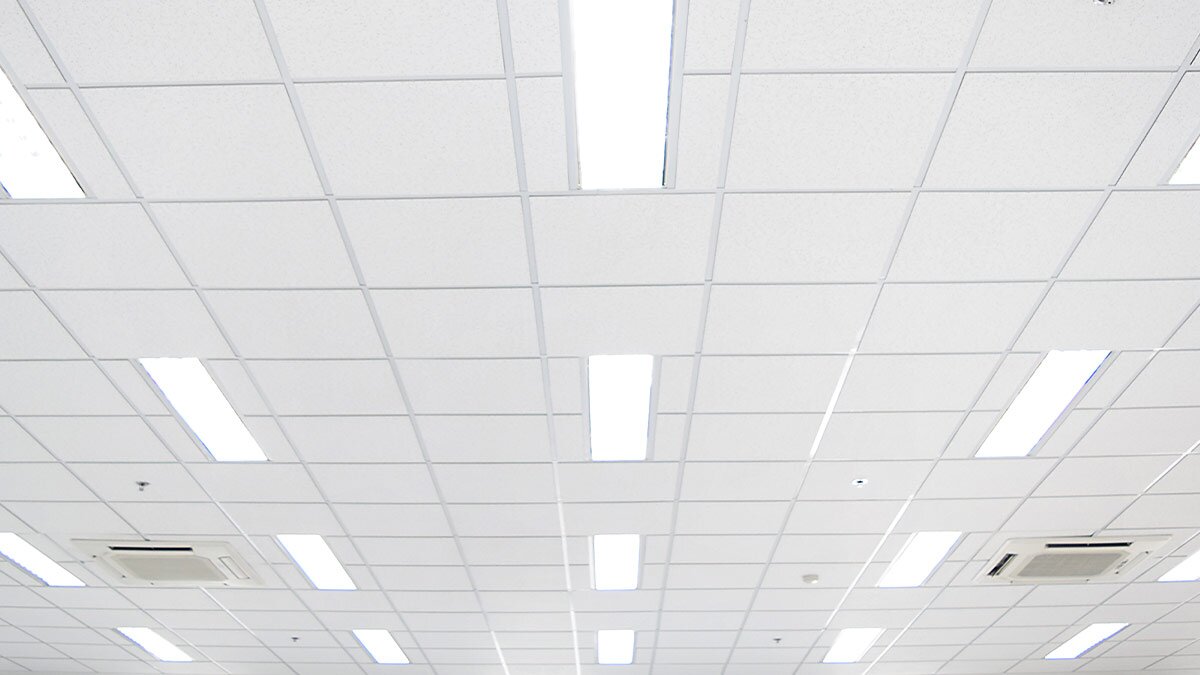
When you’re running a construction or manufacturing business, every part of your workspace needs to pull its weight, even the ceiling. The types of ceiling tiles you choose can impact more than appearance. They can help manage noise on the floor, handle high humidity, or allow quick access to overhead utilities. Whether you’re exploring drop ceiling tile options or weighing your ceiling tile material choices, this guide will help you match function with the day-to-day demands of your facility.
Types of Ceiling Tiles
In industrial and commercial environments, drop ceiling tile options are especially popular for their flexibility and cost-effective maintenance.
Acoustic ceiling tiles: Lightweight, often made of mineral fiber or fiberglass; great for sound control.
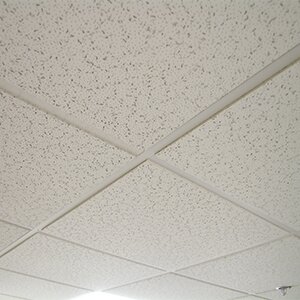
Suspended (Drop) ceiling tiles: Designed for suspended grid systems.
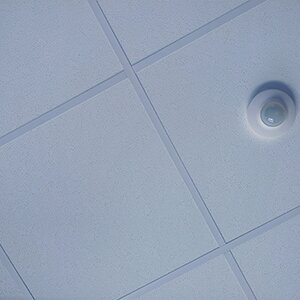
Mineral fiber ceiling tiles: Denser, more sound-absorbent.
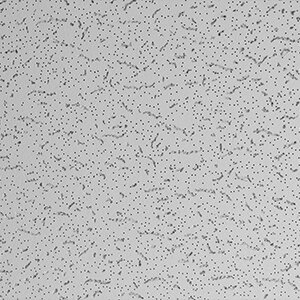
What Are Ceiling Tiles Made Of? Common Materials for Worksites
Here’s a closer look at ceiling tile material types and where they fit best in a construction or manufacturing setting.
Mineral Fiber, Gypsum, Perlite, Recycled Fiber
- Known for absorbing sound, which is helpful in office areas, meeting rooms, and manufacturing spaces with heavy machinery.
- Fire-resistant properties help meet code requirements in many facilities.
Fiberglass
- Excellent in ceiling tiles used for soundproofing; they absorb up to 90% of noise (NRC ~0.90).
- Often used in offices, QC labs, and breakrooms located near production floors.
PVC, Vinyl, or Plastic
- Moisture-resistant, lightweight, and easy to clean; ideal for bathroom ceiling tiles, wash-down zones, and food-handling areas.
- Resistant to mold and mildew growth.
Metal (Tin, Steel, Aluminum, Copper)
- Highly durable with a long lifespan; works in high-traffic areas, lobbies, and decorative applications.
- Decorative ceiling tiles in tin or aluminum can add visual appeal to customer-facing spaces.
Foam (Polystyrene)
- Lightweight, easy to cut, and quick to install; ideal for covering outdated ceilings during scheduled downtime.
- Available in plain or textured finishes for visual interest.
Moisture and Acoustic Considerations
Choosing ceiling tiles for a construction or manufacturing business often means balancing moisture control with noise reduction.
- High-Humidity Environments – PVC or vinyl panels work best for bathrooms, utility areas, or humid climates.
- Noise Control – Fiberglass and mineral fiber reduce sound transfer and echo, helping to keep communication clear on busy floors.
- Combination Needs – Hybrid solutions, such as acoustic tiles with a moisture-resistant coating, can address both concerns at once.
Design and Decorative Solutions for Worksites
Functionality comes first in most industrial settings, but appearance matters too, especially in offices, lobbies, or spaces where customers and vendors visit.
- Drop ceiling tile designs now include modern patterns, printed graphics, and embossed textures that fit standard grids.
- Decorative ceiling tiles in metal or faux finishes can create a polished look without complicated installation.
- Painting existing tiles in a light, reflective color can brighten workspaces and help reduce lighting costs.
Installation and Maintenance for Busy Operations
Foam and PVC panels are quick to install and easy to cut. For practical tips, read our guide on how to cut ceiling tiles before starting your project.
Final Thoughts
For small business owners in construction or manufacturing, ceiling choices aren’t just cosmetic—they’re strategic. From bathroom ceiling tiles that hold up in damp conditions, to ceiling tiles for soundproofing, to decorative ceiling tiles that make a professional impression, there’s a material and design for every part of your facility. By matching tile type to your workspace’s unique needs, you’ll get a ceiling that supports productivity, safety, and style.
Product Compliance and Suitability
The statements contained in this guide are intended for general informational purposes only. Such statements do not constitute a product recommendation or representation as to the appropriateness, accuracy, completeness, correctness, or currentness of the information provided. Information provided in this guide does not replace the use by you of any manufacturer instructions, technical product manual, or other professional resource or adviser available to you. Always read, understand, and follow all manufacturer instructions. Portions of this article were generated in part by ChatGPT, and edited by a member of the Zoro team.
