


Types of Door Locks for Commercial and Industrial Use
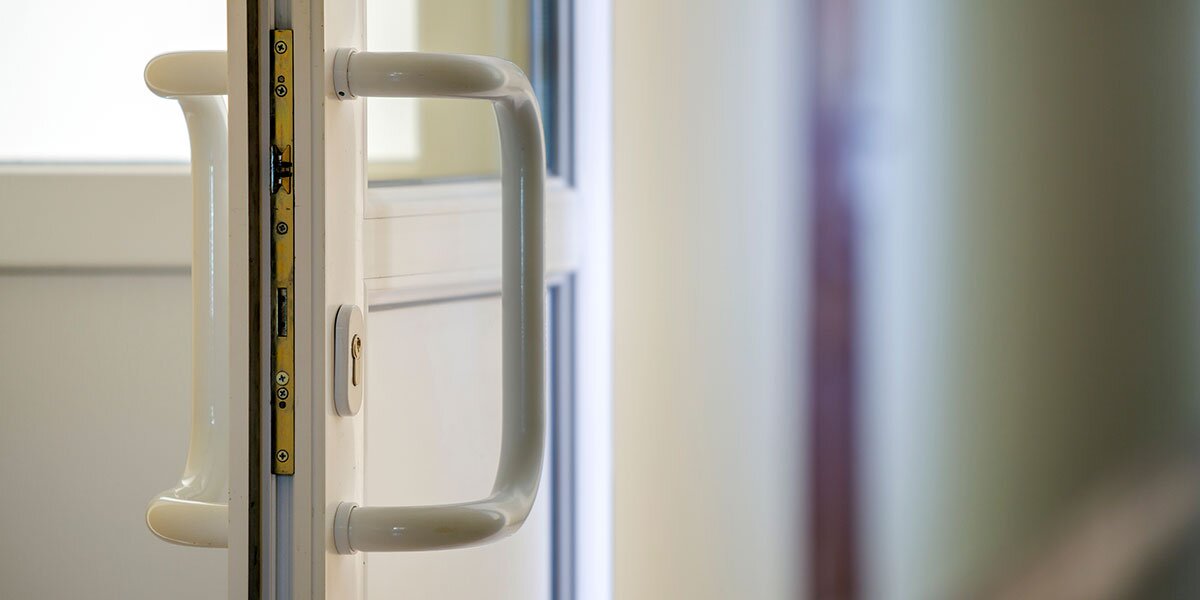
If you own or manage a construction or manufacturing business, your doors do more than open and close; they secure valuable tools, equipment, and materials. Whether you’re comparing deadbolts vs. knob locks or considering smart lock types for multiple team members, knowing the types of door locks available for commercial spaces helps you choose hardware that stands up to daily use while keeping your operation moving.
Quick Summary
Small businesses in construction and manufacturing rely on durable, high-performance door locks to protect tools, equipment, and facilities. Common types include deadbolts for strong exterior security, night latches for automatic locking after hours, rim cylinders for quick rekeying, multipoint locks for added stability on large doors, mortise locks for heavy-duty use, cylindrical locks for interior spaces, and smart locks for flexible, keyless entry. Choosing the right lock depends on traffic levels, rekeying needs, durability requirements, and maintenance preferences.
Understanding the Types of Door Locks
In commercial and industrial environments, your lock choice affects not just security but also how smoothly your team moves through the day. Here’s a breakdown of the most common options for busy facilities.
| Deadbolt | 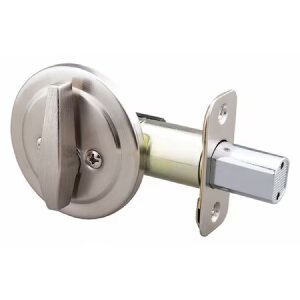 | A go-to for exterior doors where strength and durability are essential. Often used on shop entrances, warehouse access points, and any door protecting high-value inventory. |
| Night Latch | 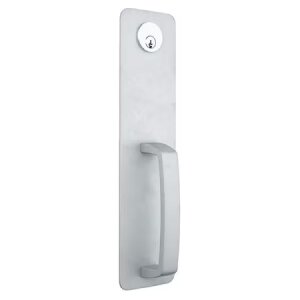 | Mounted on the inside of the door, a night latch automatically locks when the door closes. This makes it a convenient option for after-hours use in shops, jobsite offices, or storage areas. While not as heavy-duty as a deadbolt, night latches provide added peace of mind when paired with other locks, such as rim cylinders. |
| Rim Cylinder | 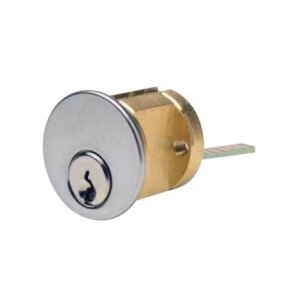 | Works with surface-mounted locks like night latches, making it useful for quick upgrades or retrofits in older facilities. |
| Multipoint Lock | 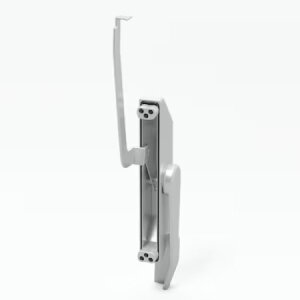 | Locks the door at multiple points with one handle turn. Commonly used on high-traffic exterior doors or larger warehouse entrances. |
| Mortise Lock | 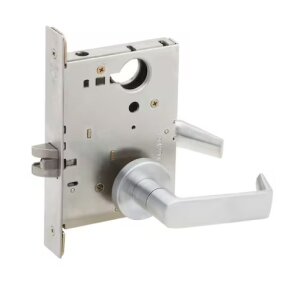 | Mortise locks are heavy-duty, fitting inside a pocket in the door edge—perfect for doors that see constant use. |
| Cylindrical Lock | 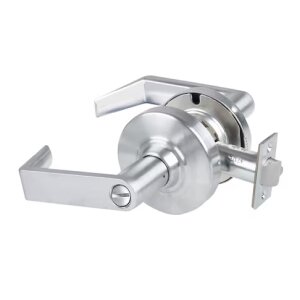 | Cylindrical locks are easier to install and often used in offices or breakrooms. |
| Smart Lock | 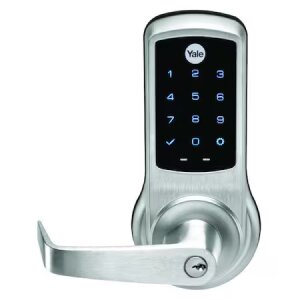 | Keypads, fobs, or mobile access options mean you can control entry without juggling physical keys, which is ideal for multiple shifts or locations. |
Choosing Door Locks for Industrial Environments
If your shop floor, warehouse, or jobsite trailer sees heavy foot traffic, here’s what to keep in mind.
- Traffic and Access Points – A front customer entrance may call for multipoint or smart locks, while back entrances could benefit from heavy-duty deadbolts or mortise locks.
- Rekeying Needs – Rim cylinders make changing keys quick if staff or contractor access changes.
- Weather and Dust – If your doors open directly onto a jobsite, choose locks with sealed mechanisms to prevent grit build-up.
- Shift Changes – Keyless systems reduce the need for physical key handoffs.
FAQs
What lock is best for a warehouse?
For warehouses, heavy-duty deadbolts or mortise locks are common for exterior access points, while rim cylinders can make rekeying faster when staff changes occur.
What is the difference between a mortise and a cylindrical lock?
Mortise locks are installed inside a cut-out pocket in the door edge and are typically stronger, making them ideal for high-traffic or exterior doors. Cylindrical locks are installed through two holes in the door and are quicker to install, often used for interior spaces.
Are smart locks secure enough for industrial use?
Yes, when paired with strong mechanical hardware, smart locks can be secure and convenient for industrial environments. They allow quick access updates without physical keys, which is helpful for shift changes.
What type of lock works best for a jobsite office?
A smart lock or rim cylinder works well for jobsite offices since they allow quick access control adjustments for changing crews.
Should I use multiple lock types on one door?
Yes, many businesses use layered security—such as pairing a deadbolt with a latch or smart lock—to improve both convenience and protection.
Final Thoughts
Your doors protect more than your building. They safeguard your people, your tools, and your productivity. From traditional deadbolts to advanced smart locks, choosing the right type of door lock ensures your facility stays secure while keeping day-to-day operations running smoothly.
Product Compliance and Suitability
The statements contained in this guide are intended for general informational purposes only. Such statements do not constitute a product recommendation or representation as to the appropriateness, accuracy, completeness, correctness, or currentness of the information provided. Information provided in this guide does not replace the use by you of any manufacturer instructions, technical product manual, or other professional resource or adviser available to you. Always read, understand, and follow all manufacturer instructions. Portions of this article were generated in part by ChatGPT, and edited by a member of the Zoro team.
