


Types of Locking Clamps and How to Use Them
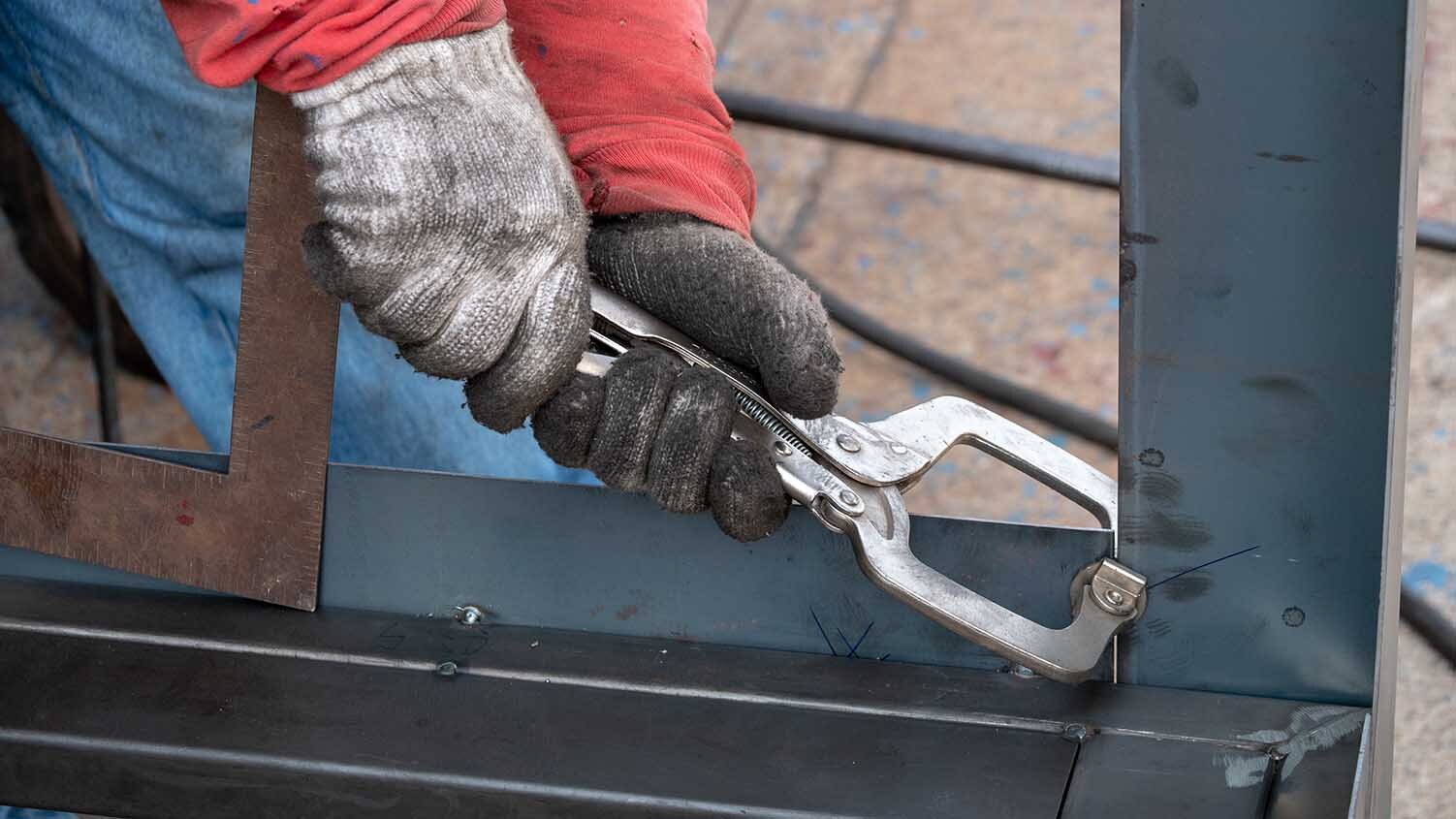
There are several different types of https://www.zoro.com/locking-clamps/c/5173/ and they come in a variety of sizes, but the overall purpose they serve is the same. Similar to locking pliers, locking clamps provide a secure grip to make sure whatever you’re working on stays in place.
Locking clamps are used in a variety of industries including metalworking, construction, and welding. Here’s a rundown of different types of locking clamps.
Locking C-Clamps
A mix between clamps and pliers, this tool is ideal for holding small items in place. Similar to pliers, they have a release trigger and adjustment screw to control and release the grip.
Locking C-Clamps with Swivel Pads
Similar to regular locking C-clamps, this tool has the added benefit of swivel pads that are attached at the end of the grips to create a firmer, more strategic grip without causing damage to the item being held.
Locking Sheet Metal Clamps
These clamps are ideal for bending, forming, and crimping sheet metal, in addition to clamping items in place. Their wide jaw profile provides a firm grip on large, thin surfaces with an added screw mechanism to help adjust clamping pressure.
Locking Chain Clamps
These types of clamps have the benefit of locking around the item you wish to keep in place. They can work around any size or shape without slipping or crushing the item you’re holding.
Locking Welding Clamps
These clamps are designed to hold pipes, bars, or other metalwork for welding or riveting. They have a deep throat design and U-shaped jaws to increase visibility and the amount of work space.
Locking Pliers vs. Locking Clamps
There are a couple of different mechanisms that enable locking pliers to lock. The original design requires a screw at the bottom of one handle to lock the handles in place. This is typically the type of tool people are referring to when they say vise-grip pliers. Updated versions of this same idea have also added a pivot, allowing the handles of the pliers to be adjusted to smaller or larger widths.
Like locking pliers, locking clamps use a similar mechanism to lock in place for a firmer grip. However, these clamps may otherwise be simpler in design. While pliers are still considered a hand-held tool that needs well-designed handles to hold onto, it’s almost certain that you might use a locking clamp, or a series of clamps, to lock your item in place and leave it there while you work on other parts of your project.
With that in mind, simpler features might be more cost effective and tolerate more challenging environments, such as high heat. However, you can still use locking pliers in place of a locking clamp if this is not a concern and you don’t have a locking clamp.
How to Use Locking Clamps
These steps will help you navigate the basics of locking clamps. Refer to the user manual for more specific instructions.
Step 1. Open clamp
Pull the handles away from each other to open the clamp.
Step 2. Position clamp
Place the clamp or clamp pads over the area you want to secure. If your clamp has a screw, you may have to loosen the screw to increase the width of the clamp mouth. If you are using a chain clamp, make sure the chain is loose, then wrap the chain around the item. Insert the end of the chain into the pliers and pull until the chain is comfortably around the item.
Step 3. Secure clamp
Squeeze the handles together to lock the clamp in place. You may hear a click to signify the clamps have locked. If they don’t lock, try to loosen the screw more and try again. For chain clamps, twisting the screw will tighten the chain.
Step 4. Release clamp
To release the object clamped, press the release trigger.
And that’s it. Locking clamps are fairly easy to use and can be extremely convenient. In addition to keeping items securely in place, they can also free up your hands to work on other areas of your project. If you find yourself often in need of an extra hand, you can purchase a locking clamp set to take care of several different types of jobs.
Product Compliance and Suitability
The product statements contained in this guide are intended for general informational purposes only. Such product statements do not constitute a product recommendation or representation as to the appropriateness, accuracy, completeness, correctness or currentness of the information provided. Information provided in this guide does not replace the use by you of any manufacturer instructions, technical product manual, or other professional resource or adviser available to you. Always read, understand and follow all manufacturer instructions.
