


Types of Pliers: Choosing the Right Tool for Your Industry
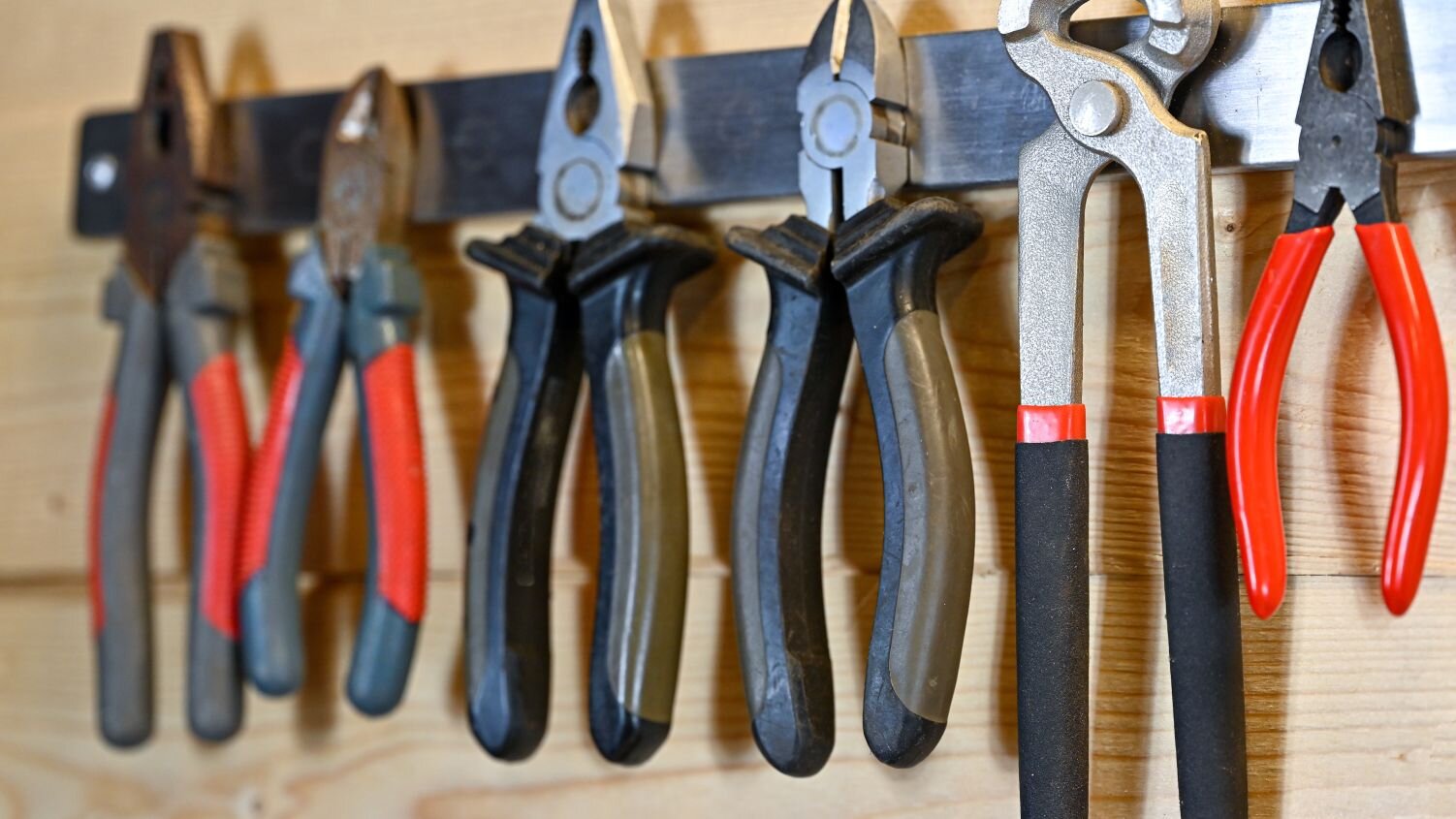
Pliers are essential hand tools for professionals across multiple industries. They provide a reliable way to grip, bend, cut, and manipulate materials. From electricians handling live wires to machinists making precision adjustments, the right pliers can make every task more efficient.
With so many different types of pliers available, selecting the right tool for the job can save time and improve results. In this guide, we’ll explore the different kinds of pliers, their uses, and what to consider before purchasing.
Understanding Pliers: Key Components
Pliers may seem simple, but their design plays a key role in performance.
- Jaws—The working end of the pliers, designed for gripping, cutting, or shaping.
- Handles—Often coated for comfort and insulation, especially for electrical work.
- Pivot Point—Affects jaw movement and overall leverage.
- Cutting Edge (if applicable)—Built to slice through materials like wire or metal.
Features like corrosion-resistant coatings and ergonomic grips can enhance tool longevity and usability for professionals in demanding work environments.
Common Types of Pliers
| Type of Pliers | Description | Common Applications |
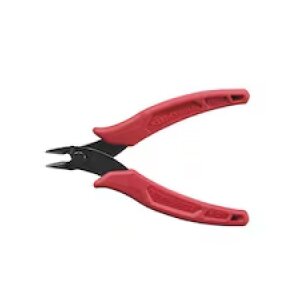 | Features sharp, hardened edges designed to cut through various types of wire and small hardware with minimal effort. | Electrical work, construction, automotive repairs |
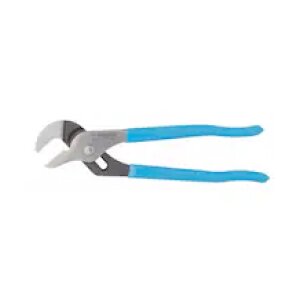 | Designed with multiple jaw positions to provide a firm grip on pipes, nuts, and irregular objects. | Plumbing, HVAC, pipe fittings |
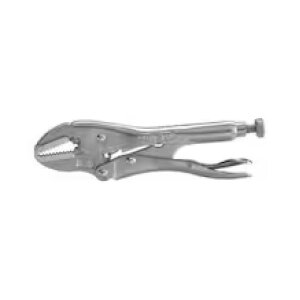 | Features a locking mechanism that allows users to clamp onto materials for hands-free work. | Automotive, welding, construction |
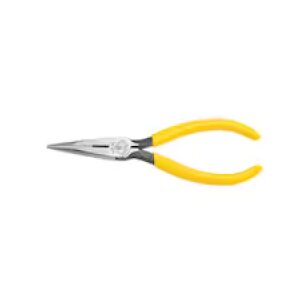 | Long, slender jaws enable access to confined areas for precision work. | Electrical work, jewelry making, detailed assembly |
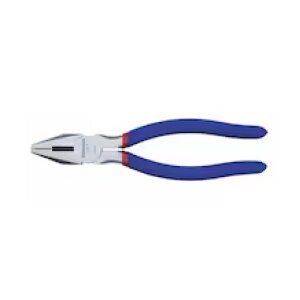 | Built with strong jaws and cutting edges; ideal for twisting and cutting heavy-gauge wire. | Electrical work, wire twisting, industrial applications |
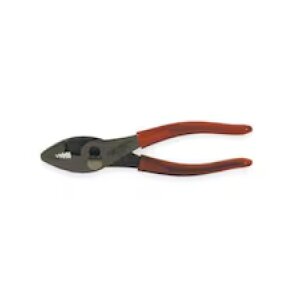 | Versatile pliers with an adjustable pivot for handling various gripping tasks. | General-purpose gripping, home repairs |
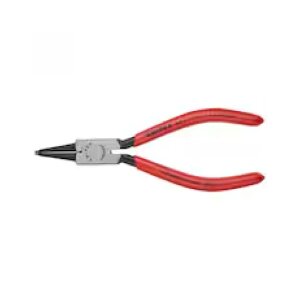 | Specially designed tips allow for easy removal or installation of retaining rings. | Machinery, automotive, mechanical repairs |
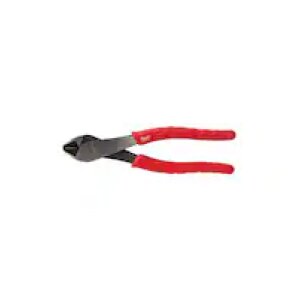 | Fixed joint construction provides a strong, stable grip for delicate assembly work. | Fine assembly, precision tasks |
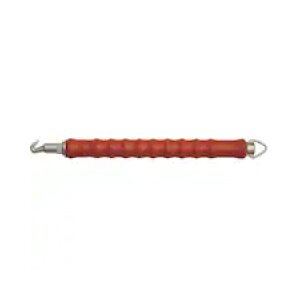 | Designed to twist and secure wires efficiently; commonly used in aviation and metalwork. | Aerospace, construction, metal fabrication |
Choosing the Right Pliers for Your Needs
Each trade has specific requirements when it comes to types of pliers. Here’s what professionals should consider.
- Material & Durability—Stainless steel or corrosion-resistant coatings extend tool life.
- Jaw Design & Grip Strength—Use smooth jaws for delicate materials, serrated for extra hold.
- Size & Handle Length—Long handles offer more leverage, but compact designs work better in tight spaces.
- Insulated vs. Non-Insulated—Insulated tools are essential for electrical safety.
- Locking Mechanisms & Adjustability—Choose types of locking pliers that match your application needs.
Understanding the various types of pliers and their applications can help professionals make better tool choices. Whether large locking pliers for industrial work or tongue and groove pliers for plumbing, selecting the right tool ensures durability and precision.
Product Compliance and Suitability
The statements contained in this guide are intended for general informational purposes only. Such statements do not constitute a product recommendation or representation as to the appropriateness, accuracy, completeness, correctness, or currentness of the information provided. Information provided in this guide does not replace the use by you of any manufacturer instructions, technical product manual, or other professional resource or adviser available to you. Always read, understand, and follow all manufacturer instructions. Portions of this article were generated in part by ChatGPT, and edited by a member of the Zoro team.
