


Types of Saws and Their Uses
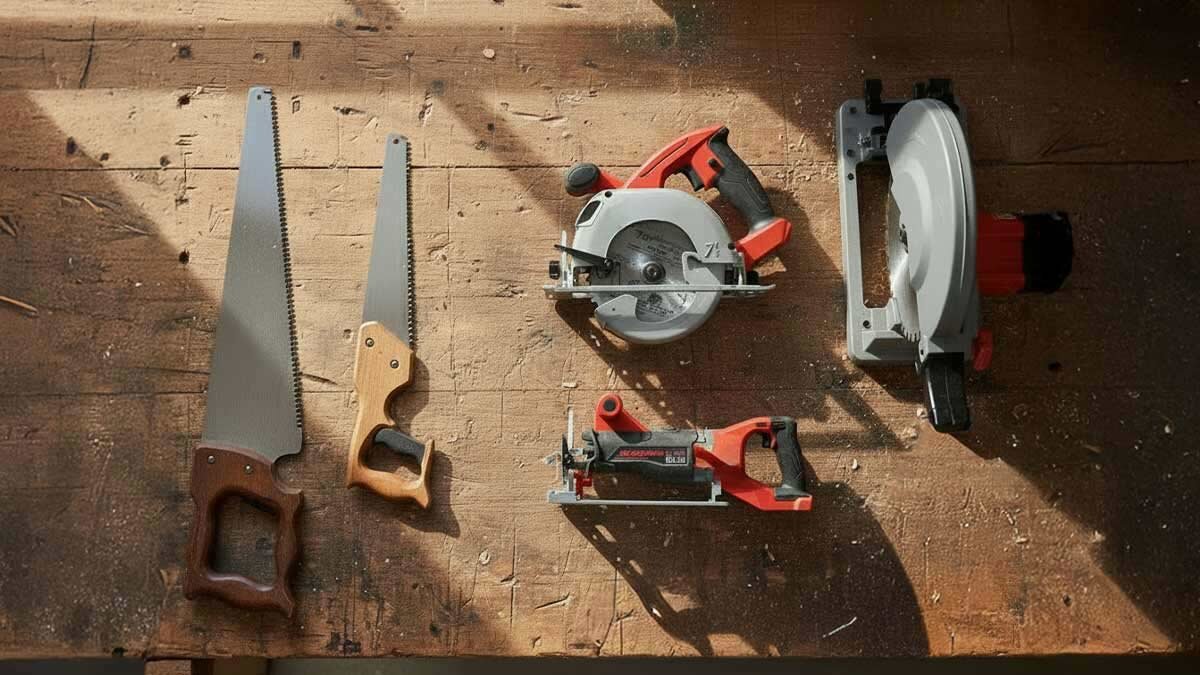
If you run a business in construction, manufacturing, or facilities maintenance, your team relies on saws every day. Whether you’re cutting lumber, trimming materials, or working through metal tubing, choosing the right saw helps your crew work efficiently and confidently. This guide walks through the different types of hand and power saws, how they’re used, and what to consider when you’re outfitting your workspace.
Types of Hand Saws and Their Uses
Hand saws remain essential on jobsites because they’re easy to control, require no power source, and support detailed work. Here’s a breakdown to help your team choose the saw that fits the task.
Saw Type | Primary Use | Ideal Materials | Key Advantages |
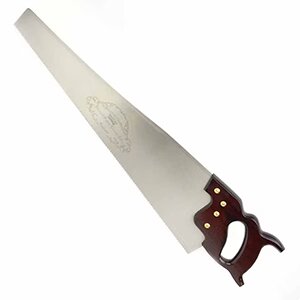
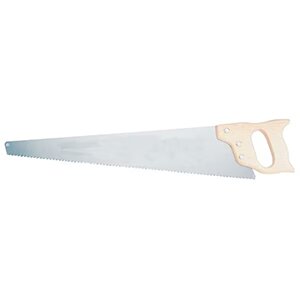
Rip Saw | Cuts along the wood grain for fast, rough cuts | Wood | Simple, efficient design ideal for quick cuts without setup time |
Cuts across the wood grain for smoother finishes | Wood | Produces clean cuts for framing, trim, and general carpentry | |
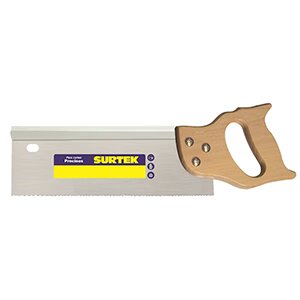
Back Saw | Delivers precision cuts for fine joinery and trim work | Wood | Reinforced spine provides control for detail-oriented projects |
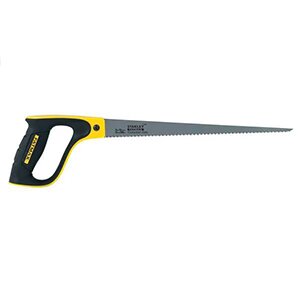
Cuts curves and shapes in tight or hard-to-reach spaces | Wood, Drywall | Compact and flexible—great for repairs or installation work |
Types of Power Saws and Their Uses
Power saws help crews move faster when cutting larger materials or working through repeated tasks.
Saw Type | Primary Use | Ideal Materials | Key Advantages |
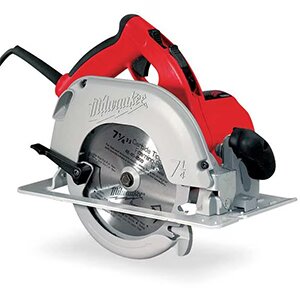
Makes fast, straight cuts in lumber, plywood, and framing | Wood, Sheet Materials | Versatile and portable for construction or workshop use | |
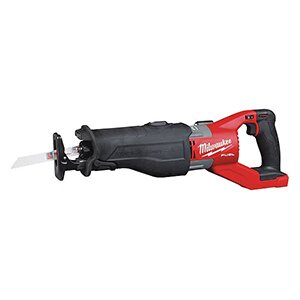
Handles demolition and rough cutting with push-and-pull motion | Wood, Metal, PVC | Effective for remodeling, plumbing, and repair work | |
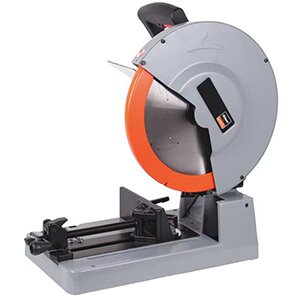
Produces quick, repeatable straight cuts | Metal, Framing Stock | Heavy-duty and dependable for high-volume cutting | |
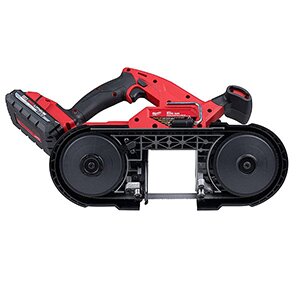
Cuts smooth curves or resaws thick materials | Wood, Metal | Provides precision for fabrication and specialty projects |
Saw Safety Tips for Every Worksite
Encouraging safe habits helps protect your crew and maintain productivity.
- Choose the correct saw and blade for each material.
- Make sure blades stay sharp and clean to reduce strain and slipping.
- Always secure workpieces before cutting to prevent shifting.
- Wear PPE such as safety glasses, gloves, and hearing protection.
- Maintain stable footing and keep hands clear of the cutting path.
- Disconnect power before changing blades, and make sure safety guards are in place.
- Store saws in dry, protected areas to prevent corrosion and extend blade life.
Buying Considerations for Small Businesses
Choosing saws for your business isn’t just about price. It’s about performance, comfort, and long-term value. Blade length and teeth per inch (TPI) are key specs to consider.
- Higher TPI means a smoother cut, while lower TPI removes material faster.
- Ergonomic handles and balanced designs also help reduce fatigue, especially for teams working long hours.
- Durability and maintenance routines matter too.
- Regular cleaning, blade replacement, and proper storage extend tool life and minimize downtime.
- When budgeting, it’s smart to prioritize the saw types your crew uses most often. Those tools will pay for themselves through reliability and efficiency.
And while it may be tempting to rely on a single “universal” saw, using the right tool for each task delivers better results, lowers risk, and protects your investment.
Final Takeaway
Understanding the different types of hand saws and power saws helps your crew work more efficiently and confidently. With the right mix of tools, strong safety habits, and consistent maintenance, your business can support smoother workflows and dependable results across every project.
Product Compliance and Suitability
The statements contained in this guide are intended for general informational purposes only. Such statements do not constitute a product recommendation or representation as to the appropriateness, accuracy, completeness, correctness, or currentness of the information provided. Information provided in this guide does not replace the use by you of any manufacturer instructions, technical product manual, or other professional resource or adviser available to you. Always read, understand, and follow all manufacturer instructions. Portions of this article were generated in part by ChatGPT, and edited by a member of the Zoro team.
