


Types of Solar Panels for Business Owners
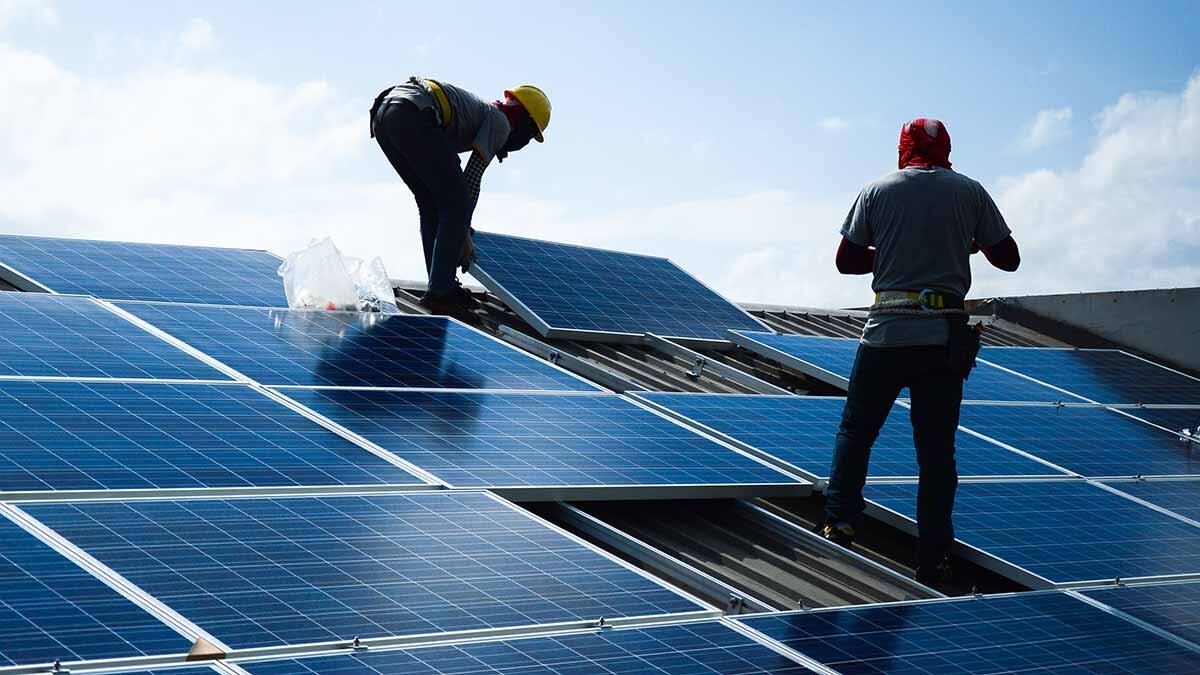
If you’re exploring types of solar panels for business, you may be weighing efficiency, cost, and space. Small business owners often want straightforward comparisons so they can make confident decisions without sifting through technical jargon. That’s what this guide delivers: a simple breakdown of the main solar panel options, plus the benefits they can bring to your business.
Quick Summary
- Three main types of solar panels: monocrystalline, polycrystalline, thin-film
- Key difference: monocrystalline = efficiency; polycrystalline = cost savings; thin-film = flexible use cases
- Benefits of solar panels for business: reduce energy costs, support sustainability, provide long-term stability
- How to select solar panels: review space, energy needs, and budget to match the best option for your small business
The Main Types of Solar Panels
When researching solar panel options, most businesses focus on three primary kinds of solar panels: monocrystalline, polycrystalline, and thin-film. Each has strengths that can serve different business needs.
| Type of Solar Panel | Definition | Efficiency | Best Fit for Businesses |
| Monocrystalline | Made from a single continuous crystal structure | Typically high; generates more power in less space | Businesses with limited roof space that need strong performance per square foot |
| Polycrystalline | Manufactured by melting multiple silicon crystals together | Lower than monocrystalline but still effective | Small businesses with more available roof or ground space seeking lower upfront costs |
| Thin-Film | Built using thin layers of photovoltaic material; lightweight and flexible | Generally lower than crystalline panels, but adaptable | Businesses with large rooftops, specialty surfaces, or projects where weight and versatility are important |
Monocrystalline vs. Polycrystalline Solar Panels
For many business owners, the big decision is between monocrystalline and polycrystalline solar panels.
| Factor | Monocrystalline Solar Panels | Polycrystalline Solar Panels |
| Efficiency vs. Cost | Higher efficiency; usually a higher upfront cost | Lower efficiency; typically more budget-friendly |
| Space Availability | Ideal for limited roof space since fewer panels are needed | Works well if you have more roof or ground space available |
| Long-Term Strategy | May deliver stronger long-term energy output in smaller areas | Provides a cost-effective option for businesses prioritizing budget |
Benefits of Solar Panels for Business
Understanding the types of solar panels is only one part of the picture. Here’s why businesses consider solar in the first place.
1. Energy Cost Savings
Solar panels can reduce monthly utility bills, helping businesses manage operating costs over time.
2. Long-Term Value
Many business owners see solar panels as a capital investment that may stabilize energy expenses and add predictability.
3. Sustainability Goals
For small businesses working toward greener practices, solar panels can support sustainability objectives and meet stakeholder expectations.
How to Select Solar Panels for Your Business
If you’re deciding on solar panels, here are a few key steps.
- Evaluate your space: Measure your available roof or ground area.
- Review your energy use: Check your average consumption from utility bills.
- Balance efficiency and cost: Choose monocrystalline if you need efficiency in tight spaces, polycrystalline if budget is the top priority, or thin-film if flexibility matters.
- Plan installation: Confirm whether your building can handle the weight and layout of your chosen system.
Wrapping It Up
With so many kinds of solar panels available, it helps to focus on the essentials: monocrystalline, polycrystalline, and thin-film. By weighing the pros and cons, small business owners can align solar panel options with their budget, energy goals, and available space. The benefits of solar panels for business go beyond energy cost savings; they also support long-term stability and sustainability.
Product Compliance and Suitability
The statements contained in this guide are intended for general informational purposes only. Such statements do not constitute a product recommendation or representation as to the appropriateness, accuracy, completeness, correctness, or currentness of the information provided. Information provided in this guide does not replace the use by you of any manufacturer instructions, technical product manual, or other professional resource or adviser available to you. Always read, understand, and follow all manufacturer instructions. Portions of this article were generated in part by ChatGPT, and edited by a member of the Zoro team.
