


Types of Welding Tools: A Complete Guide for Small Business Owners
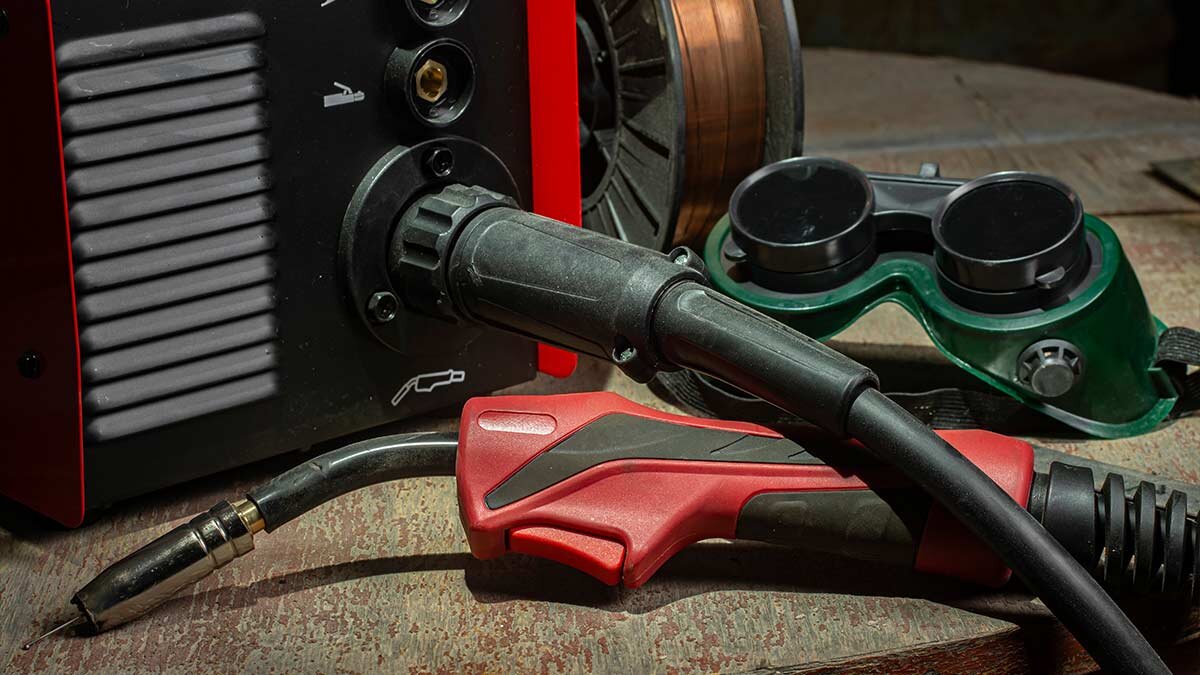
Welding plays a big role in construction, manufacturing, repair work, and metal fabrication. When your team has the right equipment, jobs go smoother, safety improves, and productivity stays on track. This guide walks through the essential welding tools, safety gear, and accessories that support a safe and effective shop environment.
Welding Machines and Power Sources
Welding Machines and Power Sources
Your welding machine is the foundation of your setup. Each type offers different benefits depending on the work your team performs.
MIG Welders (Metal Inert Gas)
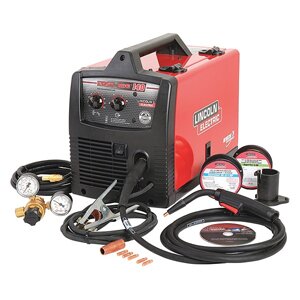
MIG machines are designed for speed and consistency. They’re often used in fabrication shops, facilities maintenance, and general repair tasks. Their ease of use makes them popular for those learning welding fundamentals.
TIG Welders (Tungsten Inert Gas)
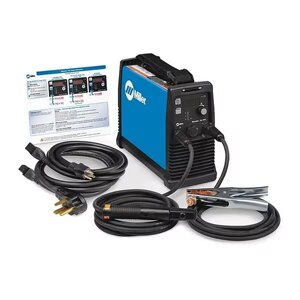
TIG equipment supports precision work, producing clean weld beads and smooth finishes. It’s commonly used with stainless steel, aluminum, and thin metals where appearance and accuracy matter.
Stick Welders (Shielded Metal Arc)
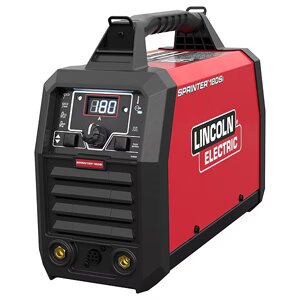
Stick welding handles challenging environments, including outdoor work or surfaces with rust or dirt. It’s a dependable choice for construction sites and heavy industrial applications.
Helpful Machine Accessories
- Wire feeders
- Ground clamps
- Foot pedals
- Cables and connectors
These accessories support consistent performance and help your team work efficiently.
Welding Safety Equipment
A safe workspace starts with proper personal protective equipment (PPE). Welding exposes workers to heat, sparks, fumes, and bright light, so outfitting your crew with protective gear is essential.
Auto-darkening helmets help shield workers’ eyes from ultraviolet and infrared light.
Flame-resistant jackets, aprons, sleeves, and gloves help protect against sparks, spatter, and heat.
Respirators may be helpful in tight spaces or around materials that release fumes.
Safety Glasses and Ear Protection
Provide essential secondary protection from debris and noise.
Hand Tools and Accessories
Small tools make a big difference in accuracy, cleanup, and workflow.
- Chipping Hammers and Wire Brushes: For slag and spatter removal after arc welding.
- Clamps and Magnets: Hold materials securely in place for accurate joints.
- Measuring Tools: Levels, tape measures, and angle finders ensure consistent alignment.
- Welding Pliers: Used for cutting wire, removing nozzles, or cleaning contact tips.
Cutting and Metal Fabrication Tools
Most projects start with preparing metal before welding. That means cutting, shaping, and smoothing the material.
- Angle Grinders: For smoothing edges or removing old welds.
- Plasma Cutters: Offer fast, precise cutting for steel, aluminum, and other metals.
- Oxy-Acetylene Torches: Versatile for cutting, heating, and bending metal.
Welding Tables and Workstations
Stable work surfaces improve accuracy and safety. Heavy-duty welding tables often feature:
- Heat-resistant tops
- Built-in clamps
- Adjustable heights for ergonomic positioning
Power and Ventilation Systems
Welding produces heat and fumes, so air quality and proper power distribution are important for daily operations.
Fume extractors and shop ventilation systems support cleaner air and better visibility while your team works.
Maintenance and Storage Equipment
Good organization helps extend tool life and keep work flowing. Your shop may benefit from:
- Tool storage cabinets
- Wire feed storage
- Regular inspection routines
Final Thoughts
Building a well-rounded welding setup helps support your team’s productivity and confidence. By choosing tools that fit your work environment and safety needs, your business can stay efficient, organized, and ready for whatever projects come next.
Product Compliance and Suitability
The statements contained in this guide are intended for general informational purposes only. Such statements do not constitute a product recommendation or representation as to the appropriateness, accuracy, completeness, correctness, or currentness of the information provided. Information provided in this guide does not replace the use by you of any manufacturer instructions, technical product manual, or other professional resource or adviser available to you. Always read, understand, and follow all manufacturer instructions. Portions of this article were generated in part by ChatGPT, and edited by a member of the Zoro team.
