


Understanding Ceiling Cassette Air Conditioners for Small Businesses
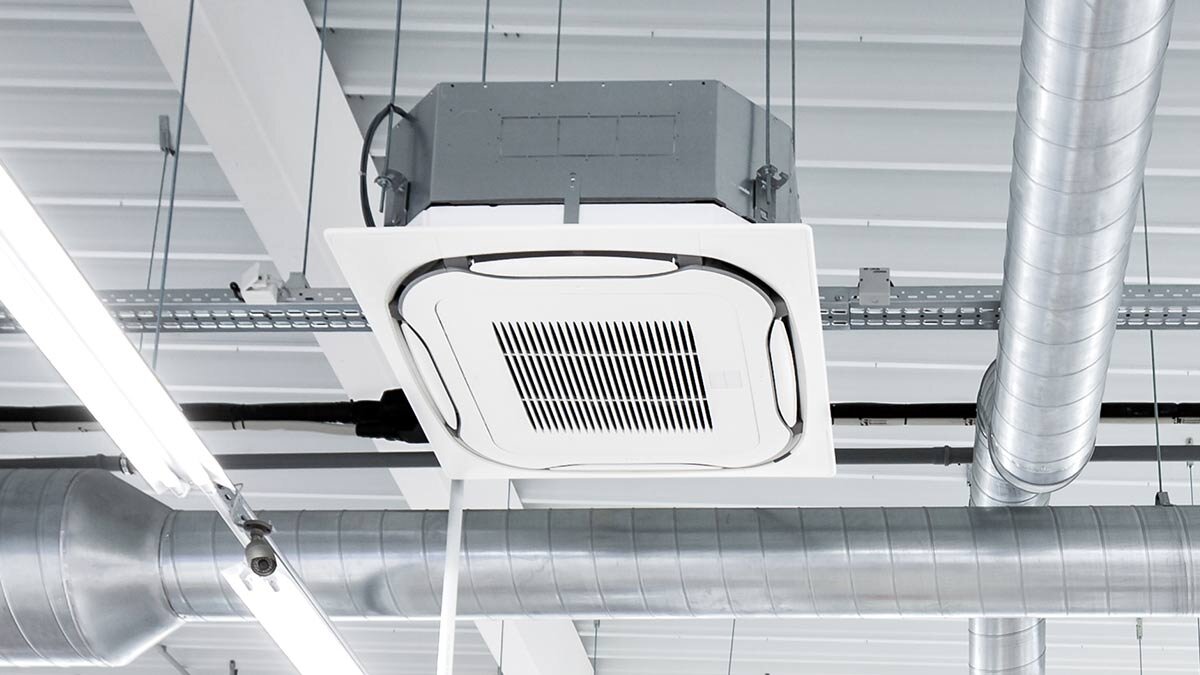
Running a business means making smart decisions about comfort and efficiency in your space. A ceiling cassette air conditioner can be a practical option if you need cooling that doesn’t take up wall or floor space. These units are mounted directly into the ceiling and distribute air evenly, making them a fit for offices, retail stores, and other commercial settings.
What Is a Ceiling Cassette Air Conditioner?
A ceiling cassette air conditioner is a type of ductless mini-split system installed in the ceiling. Unlike wall-mounted systems, the cassette unit sits flush with the ceiling and uses a grille to deliver air in multiple directions. For small business owners, this means you can keep your walls free for shelving, displays, or windows while still maintaining a comfortable indoor environment.
How Do Ceiling Cassettes Work?
Ceiling cassettes work by pulling in warm air from the room, cooling it through an indoor coil, and then distributing the conditioned air through vents on all four sides of the unit. This creates a wide coverage area that helps maintain consistent comfort across the room. Because the unit connects to an outdoor condenser, you get reliable performance without the need for bulky ductwork.
What to Know About Ceiling Cassette Installation
Ceiling cassette installation involves mounting the indoor unit between ceiling joists, connecting refrigerant lines to an outdoor condenser, and setting up a drainage line. Most businesses choose professional installation since access to ceiling space, electrical connections, and proper support are key to safe and efficient operation. If you’re planning renovations or a build-out, this may be an ideal time to add a ceiling cassette system.
Why Businesses Use Commercial Ceiling Cassette Air Conditioning
Commercial ceiling cassette air conditioning is often used in offices, restaurants, and retail stores where space and aesthetics matter. Because the unit blends into the ceiling, it maintains a clean look while delivering consistent airflow. For small business owners, this can mean keeping customers comfortable without sacrificing usable wall space or dealing with bulky window units.
Ceiling Cassette vs. Wall Mount: What’s the Difference?
| Feature | Ceiling Cassette | Wall-Mounted Mini-Split |
| Placement | Flush-mounted in ceiling | Mounted high on a wall |
| Airflow | 4-way distribution across the room | 1-directional, aimed from wall |
| Best for | Larger or open business areas | Smaller or single-room spaces |
| Space Use | Keeps walls and floors clear | Takes up wall space |
| Aesthetic Impact | Blends into ceiling, discreet | Visible on wall surface |
Final Thoughts
Ready to take the next step? Explore ceiling cassette options that match your business needs and workspace layout.
FAQs
Are ceiling cassette air conditioners energy efficient?
Yes, ceiling cassette air conditioners can be energy efficient because they are part of ductless mini-split systems, which avoid energy loss from ductwork. Efficiency depends on the system’s rating and proper installation.
Where are ceiling cassettes typically used?
Ceiling cassettes are often used in commercial spaces like offices, restaurants, and retail shops where multi-directional airflow and a clean look are important.
Can ceiling cassettes cool large spaces?
Yes, ceiling cassettes are designed to distribute air in four directions, making them well-suited for larger or open-plan business areas.
Do ceiling cassettes require special ceilings?
Ceiling cassettes are most commonly installed in suspended or drop ceilings, but they can sometimes be installed in other ceiling types if there is enough clearance and support.
What is the difference between a mini-split ceiling cassette and a wall-mount system?
The main difference is placement and airflow. Ceiling cassettes sit flush in the ceiling and distribute air in multiple directions, while wall-mounted units are installed high on a wall and direct airflow in one direction.
Product Compliance and Suitability
The statements contained in this guide are intended for general informational purposes only. Such statements do not constitute a product recommendation or representation as to the appropriateness, accuracy, completeness, correctness, or currentness of the information provided. Information provided in this guide does not replace the use by you of any manufacturer instructions, technical product manual, or other professional resource or adviser available to you. Always read, understand, and follow all manufacturer instructions. Portions of this article were generated in part by ChatGPT, and edited by a member of the Zoro team.
