


Using Air Filter Media with Your HVAC System
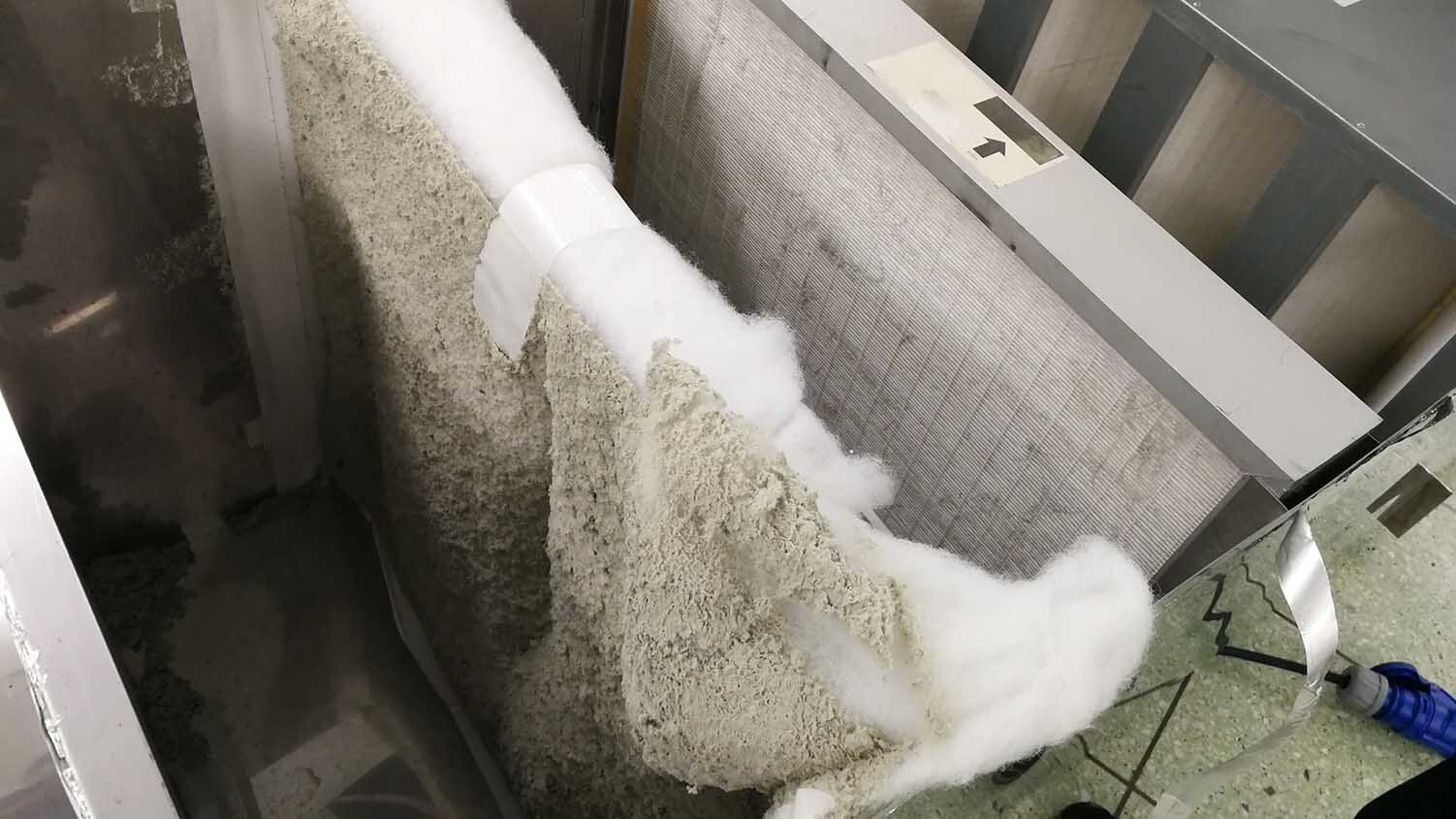
Air filters serve an important role in your HVAC system, ensuring that dust, dirt, and other small particles stay out of your system and out of your air. There are a few different types of air filters. The most common today tend to be disposable ones that have cardboard frames and woven, accordion-like centers. You can also buy filters similar to these but made to be reusable.
An alternative to these filter types is filter media. Filter media can contain sand, charcoal, foam, crushed glass, and many other types of materials. These filters are used commonly to create cleaner drinking water, as well as in fish tanks and sewage systems. But filter media can also be used in furnaces and, in some cases, may be more convenient.
What Is Air Filter Media?
Air filter media is a type of HVAC filter that is usually sold in a roll and made to be cut to size. While the material used to make these types of filters might vary drastically, their function is similar to disposable and pre-framed reusable filters. Some air filter media requires a frame, which can be purchased to create a reusable solution, while other media is thick enough to fit without a frame.
What Type of Air Filter Media Should I Use?
There are a few different types of air media filters available. Below are just a few, with some of the advantages that each has to offer.
Made of thin polyester fibers layered upon each other with fire-retardant, heat-sealable resin. Flexible and efficient at catching fine layers of dust.
Inexpensive and capable of trapping larger debris without stopping air flow as long as it’s changed every 30 days. Not ideal for trapping smaller particles, however, and flimsier ones can break down, causing pollution in the air. They’re also not recyclable.
Made up of small, interlocking cells, the porousness of these filters varies, allowing you to choose your own level of filtration. They are washable, reusable, and less prone to breaking down than fiberglass. They’re also typically non-allergenic and non-toxic.
Washable and all-natural, the filters are longer-lasting than fiberglass filters and less restrictive of air flow in general.
How to Install Filter Media
Determining how to use filter media and how much filter media to use, is pretty straight forward. And installing filter media is similar to installing or replacing any air filter. Be sure your HVAC is off before you begin.
Step 1: Determine filter size
Locate your existing filter and remove it. This will help you determine the size of air filter media that you will need to replace it with.
Step 2: Decide on filter type
Determine whether you plan on purchasing a self-standing filter or one that needs a frame. If you plan on selecting a frame, make sure you have either the measurements of your existing frame or existing disposable air filter. Most reusable frames are designed to fit a variety of different air filter media types.
Step 3: Cut down to size
Whether you are using a frame or self-standing filter, it’s important to cut your filter media down to the correct size. Without a frame, the size of your filter will help hold it in place. If you are using a frame, most frames come with clips to help the filter media stay in place.
Step 4: Replace filter
Once you’ve cut your material down to the right size and ensured a snug fit, return the outer casing on your system.
Replacing Filter Media
It’s just as important to change out air filter media as it is to replace regular air filters. Luckily, many types of air filter media are washable. Just be sure to follow the directions that come with your chosen media. The frequency at which you change out your media will depend on the material and HVAC usage, but plan on swapping it out every month to every three months—especially during warmer months when you’re using your system more frequently.
Since most filter media is sold in rolls, using it can be a convenient way to keep your filters clean. Washable and reusable media is also more environmentally friendly and cost effective over time.
Product Compliance and Suitability
The product statements contained in this guide are intended for general informational purposes only. Such product statements do not constitute a product recommendation or representation as to the appropriateness, accuracy, completeness, correctness or currentness of the information provided. Information provided in this guide does not replace the use by you of any manufacturer instructions, technical product manual, or other professional resource or adviser available to you. Always read, understand and follow all manufacturer instructions.
