


Water Filter Cartridge Guide
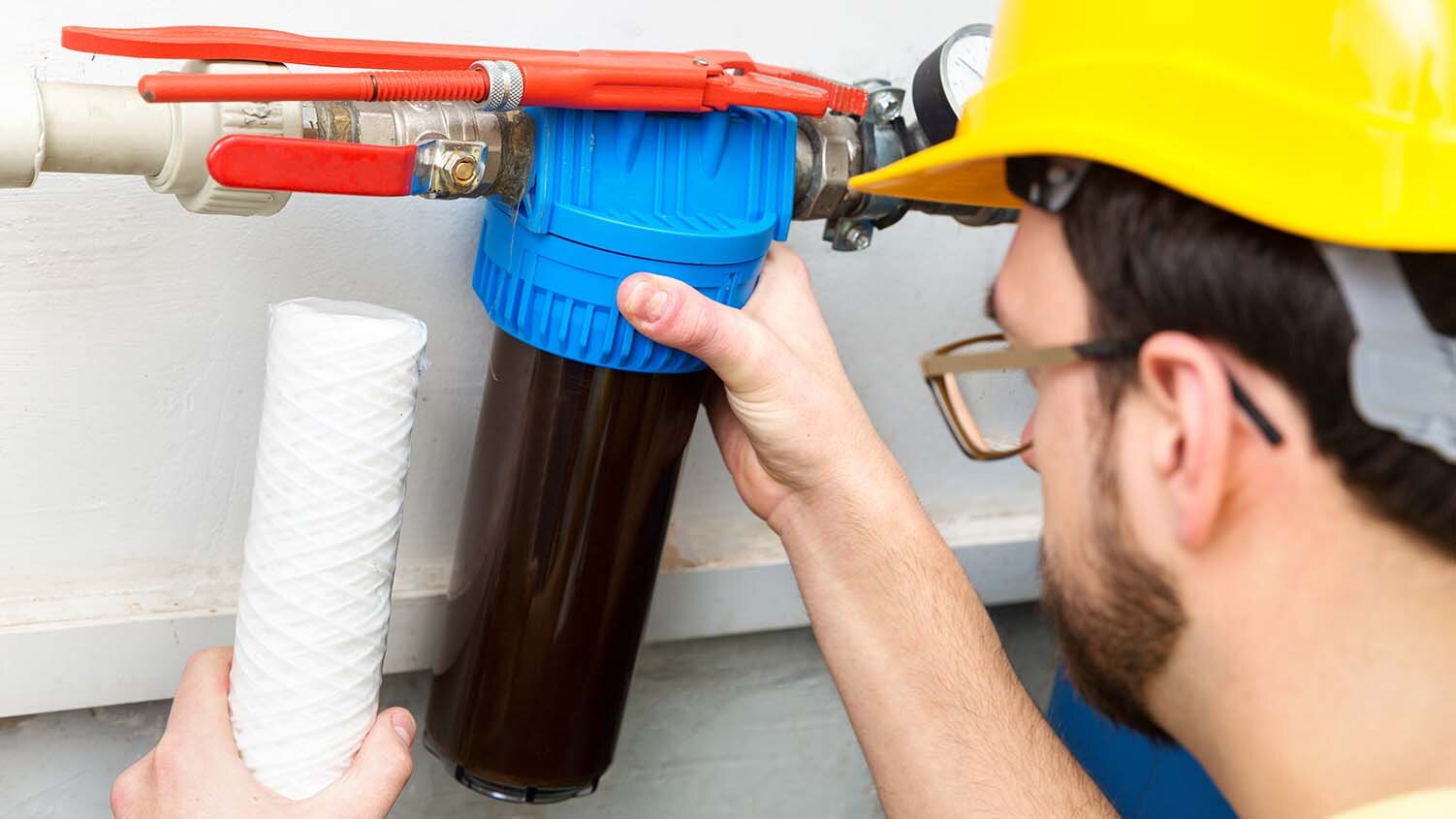
Clean water is an inherent need for human survival and well-being. The main categories of water are surface water, which is found in rivers and lakes, and groundwater, which includes melting snow and the rain that soaks into the earth. Both types are exposed to bacteria, industrial wastes, and many other organic materials. Water filtration systems help keep harmful substances out of our water by using various types of cartridge-based filters.
Whether we’re drinking it, cooking with it, swimming in it, or using it to irrigate crops, we require a steady supply of water free from contaminants. Water filtration is the process of removing the impurities in our water supplies, cleansing water to levels necessary for a variety of purposes.
Contaminants in water can cause a long list of adverse effects in humans and animals if not filtered out properly. For example, metals like mercury and lead have been linked to kidney damage and even death. Benzene, a clear and odorless liquid created during many industrial processes and also formed during natural processes like forest fires, is associated with certain forms of cancer.
There are three main types of water contaminants:
- Chemical contaminants are responsible for the chlorine taste in drinking water and include dissolved salts and dissolved metals such as lead.
- Physical contaminants include dirt, sand, silt, rust from pipes.
- Biological contaminants include various forms of bacteria and viruses.
How Cartridge Water Filters Work
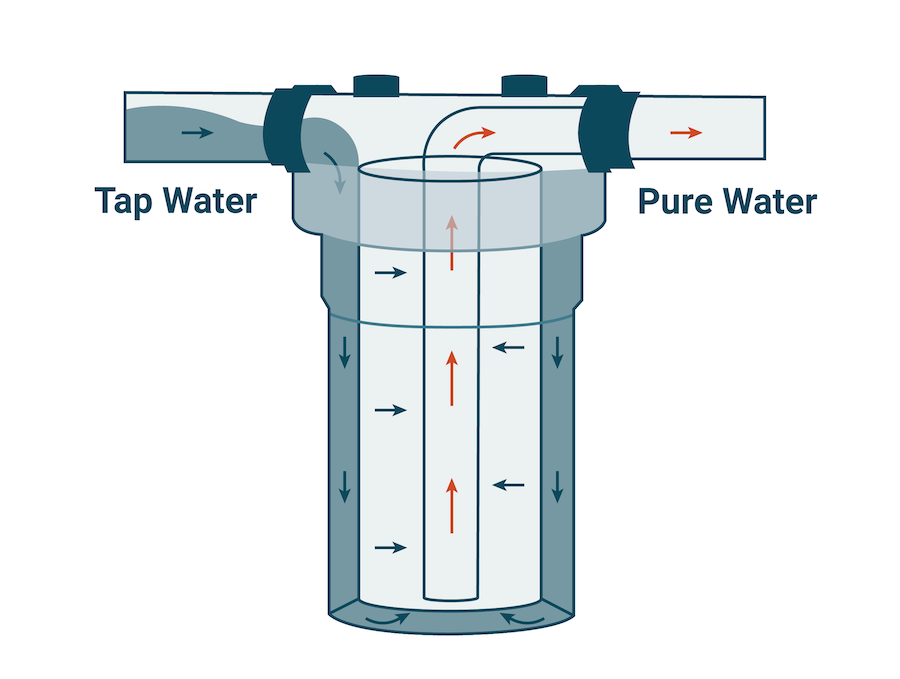
Filtration systems vary based on the particular application requirements and design. Cartridge-style filters are used within refrigerator water and ice-dispenser systems, in water filter pitchers, and are often added to existing plumbing, whether mounted to a faucet, installed under the sink, or attached directly to a home water supply.
All of the above feature a water input flowing into one or more cartridge stages and then to an output feeding into a faucet or dispenser where the water is used. Simple two-stage systems utilize a sediment or particulate filter as a first line of defense before sending the water through a carbon or multi-stage filter.
Carbon filters reduce specific types of contaminants through chemical bonding and are also responsible for removing odors and tastes caused by chlorine in water. Certain carbon filters also target contaminants like mercury and lead.
There are more advanced types of filtration that add additional stages to the process. Depending on where you live and your concerns about specific types of contaminants, some of these stages and advanced processes may be unnecessary and will likely add expense and maintenance costs.
Examples of More Robust Filtration Systems
Ion-exchange filtration replaces contaminated ions, or water molecules, and replaces them with cleaner versions. This is how water softeners break down so-called “hard” surface water, by swapping hard minerals like magnesium and calcium for softer sodium particles.
Reverse osmosis (RO) forces water through a membrane that collects any contaminants larger than a water molecule. This process can’t remove chlorine from water. But it can get rid of other particles that are often beyond the ability of carbon filters, such as lead, bacteria, and certain parasites. One thing to keep in mind: These systems generate gallons of wastewater for each gallon of clean water they produce.
Oxidation reduction is a type of filtration that converts contaminated molecules into less harmful ones. Oxidation can be particularly effective at reducing the amount of lead, bacteria, and chlorine in water supplies.
Ultraviolet (UV) is a high-tech filtration solution that uses bursts of UV light to remove bacteria and viruses from water. However, UV light cannot remove chemicals.
Cleaning and Sanitizing Water Filter Cartridges
It is recommended that cartridge water filtration systems are sanitized once per year. Follow these steps:
- Close the shut-off valve
- If attached to your faucet, open the faucet where the water comes out to let out some air pressure.
- Loosen the filter housings and remove them along with the filter cartridges
- Remove and inspect the O-rings. Wipe them clean or replace them if the grooves are worn down. (A dirty or worn O-ring can negatively impact the seal on the filter.)
- Clean the filter housings and inside the housing caps with soapy water and then rinse thoroughly.
- Make a homemade sanitizing solution (1 gallon of water to ⅓ teaspoon of bleach). Add one cup of this solution to the lower part of each filter housing unit.
- Reconnect the housing unit, but without the filter cartridge.
- Open the shut-off valve again and let the housings fill up with water from the faucet.
- Turn off the faucet and let the water and bleach sit in the housings, line, and faucet for 30 minutes.
- Shut off the valve and separate the housing parts again. Pour the bleach solution down the drain.
- Insert a new filter cartridge.
- Open the valve and run water through the new cartridge for five minutes to flush and activate the filter.
- Turn off the faucet and inspect the area for leaks.
How to Dispose of Filters
Used water filters cannot be recycled as part of standard local recycling collection services. Contact the system manufacturer to find out if they will accept old filters or have designated drop-off areas.
As a last resort, you can discard old filter cartridges in the regular garbage.
Product Compliance and Suitability
The product statements contained in this guide are intended for general informational purposes only. Such product statements do not constitute a product recommendation or representation as to the appropriateness, accuracy, completeness, correctness or currentness of the information provided. Information provided in this guide does not replace the use by you of any manufacturer instructions, technical product manual, or other professional resource or adviser available to you. Always read, understand and follow all manufacturer instructions.
