


Water Heater Maintenance Tips for Small Business Owners
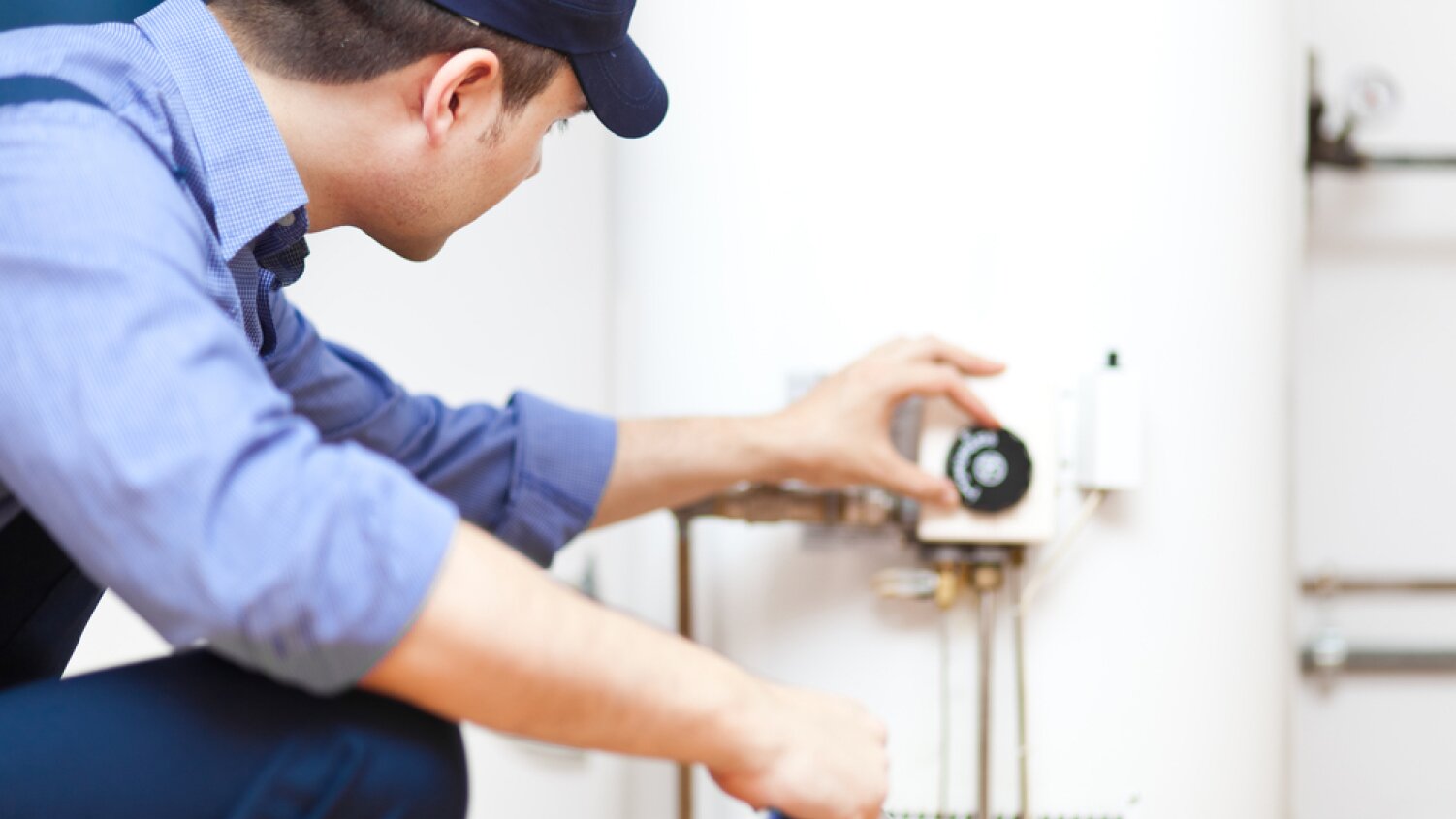
Hot water keeps your business moving, whether you're operating a repair shop, running a manufacturing floor, or keeping facilities comfortable for employees and customers. A little preventative maintenance goes a long way in helping your commercial or tankless water heater operate efficiently. With a consistent routine, you can help reduce downtime, support equipment performance, and stay ahead of potential repairs. Below, you’ll find easy-to-follow tips you can start using today.
Start With a Commercial Water Heater Inspection Checklist
A simple inspection gives you a clear picture of your system’s condition. Many business owners complete this step once a year, but higher-use systems can benefit from seasonal checks.
Inspection Steps
- Look for visible leaks around fittings, valves, and the tank base.
- Verify thermostat settings to maintain a consistent 120°F temperature.
- Check pipe insulation to help reduce heat loss in cooler environments.
- Confirm proper ventilation, especially for gas-powered models.
- Clean or replace air intake filters on tankless units.
Flush the Tank to Help Reduce Sediment Buildup
Flushing is one of the most effective steps for maintaining heating performance.
How to Flush a Commercial Water Heater
- Turn off electrical or gas power.
- Close the cold-water supply valve.
- Connect a hose to the drain valve and direct it to a safe drain.
- Open the valve and drain until the water runs clear.
Businesses in hard-water regions often schedule flushes every 6 months. Tankless systems benefit from annual descaling to help remove minerals inside the heat exchanger. This helps support efficient heating and reduce strain on internal components.
Check the Anode Rod and Safety Components
The anode rod is designed to attract corrosion, helping protect the tank itself. Checking it regularly can help extend the life of your equipment.
What to Inspect
- Anode Rod: Replace if more than half of the metal has deteriorated.
- Temperature and Pressure Relief (TPR) Valve: Lift the valve lever to ensure water flows and stops cleanly.
Watch for Leaks and Address Them Early
- Even a small drip can lead to energy loss, corrosion, or moisture damage. Common leak points include:
- Drain valves
- Pipe fittings
- Heating elements
- Tank seams
- If tightening a drain valve doesn’t stop a leak, it may be time for a replacement part or professional evaluation. Addressing leaks promptly helps your system stay efficient and may help reduce long-term repair needs.
Manage Temperature and Improve Insulation
Keeping your system at 120°F helps maintain stable temperatures while supporting efficient energy use. Many businesses also switch to vacation or low-power mode during shutdown periods.
Simple Insulation Improvements
- Install pipe insulation on hot water lines.
- Add an insulating blanket to older tanks (if recommended by the manufacturer).
- Seal gaps or drafts near water heater enclosures to help maintain stable temperatures.
Schedule Regular Tune-Ups
Commercial and industrial hot water systems work hard. Boilers, large-capacity heaters, and high-demand tankless units benefit from a yearly tune-up performed by a trained technician.
A typical service visit includes:
- Burner and control inspections
- Verification of safety mechanisms
- Temperature calibration
- Venting and airflow checks
- Combustion analysis for gas systems
Keep Records and Set a Routine
Consistency matters. Keep a simple log of inspection dates, flushing schedules, leak repairs, and any replacements you make. This helps track system health and provides documentation for compliance or warranty purposes. Setting calendar reminders for your semiannual flush or annual inspection takes the guesswork out of upkeep. Once you’ve established a maintenance routine, your water heater can do its job quietly and efficiently in the background.
Final Thoughts
Caring for your commercial water heater doesn’t have to be complicated. A routine that includes inspections, flushing, leak checks, safety testing, and annual tune-ups can help support equipment performance and keep your business operating smoothly. When you’re ready to gather supplies or replace worn components, Zoro offers a wide range of parts and accessories to help make maintenance simple and dependable.
Product Compliance and Suitability
The statements contained in this guide are intended for general informational purposes only. Such statements do not constitute a product recommendation or representation as to the appropriateness, accuracy, completeness, correctness, or currentness of the information provided. Information provided in this guide does not replace the use by you of any manufacturer instructions, technical product manual, or other professional resource or adviser available to you. Always read, understand, and follow all manufacturer instructions. Portions of this article were generated in part by ChatGPT, and edited by a member of the Zoro team.
