


Ways to Keep Sticky and Dirty Floors Clean
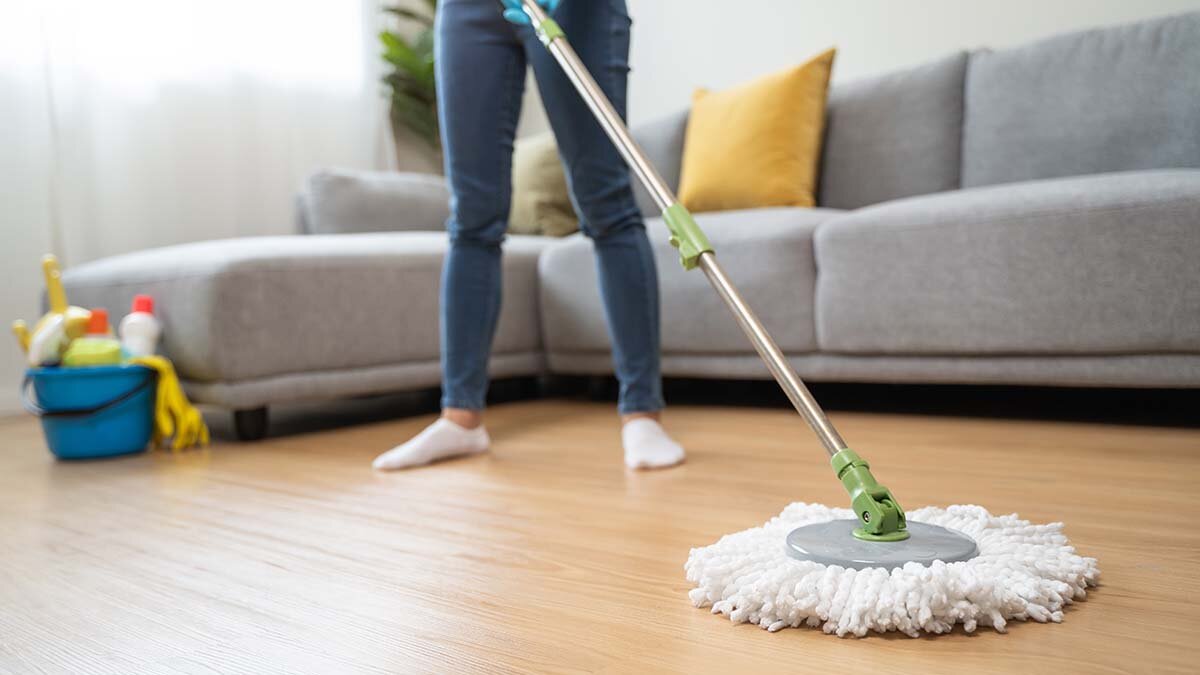
Sticky floors can be a real headache, especially when they persist even after you've mopped. This common issue can occur anywhere in your home, but it's particularly prevalent in high-traffic areas like the kitchen. Sticky floor tiles can attract dirt and grime, making your home look less than its best. Moreover, maintaining clean floors is not just about aesthetics; it's also about hygiene and safety. In this article, we'll explore why floors become sticky and provide 4 expert methods to clean sticky floors effectively and prevent them from recurring.
Understanding Why Floors Become Sticky
Have you ever wondered, "Why is my floor sticky after I mop?" The answer often lies in the cleaning products you use and your cleaning method. Some cleaning products leave behind a residue that can make your floors sticky. Additionally, if you don't rinse your mop properly or change your mop water frequently, you're likely spreading more dirt and grime around, which can also lead to stickiness. Understanding these factors is the first step towards achieving cleaner, non-sticky floors.
The Right Way to Mop Your Floors
To avoid sticky floors after mopping, it's essential to choose the right cleaning solution. Opt for a product specifically designed for your type of flooring to ensure it doesn't leave any residue behind. Also, remember to change your mop water frequently during the cleaning process. This will ensure that you're not just spreading the dirt around but actually removing it from your floors.
4 Methods to Clean Sticky Floors
1. Using a Vinegar and Water Solution
One of the most effective ways to clean sticky floor tile is by using a vinegar and water solution. Mix equal parts of white vinegar and warm water in a bucket. Mop your floors with this solution, then rinse with clean water and let dry. The acidity of the vinegar helps to break down the sticky residue, leaving your floors clean and shiny.
2. Using Commercial Floor Care Products
There are numerous commercial floor care products available that can help you tackle sticky floors effectively. These products are specially formulated to remove dirt, grime, and sticky residue without damaging your floors. For best results, follow the manufacturer's instructions on the label.
3. Using a Steam Mop
A steam mop is another excellent tool for cleaning sticky floors. It uses heat from steam to loosen and lift dirt and grime from your floors without leaving any residue behind. This method is particularly effective for stubborn, stuck-on grime.
4. Using a Paste of Baking Soda and Water
To clean and shine floor tiles, try a baking soda and water paste. Mix three parts of baking soda with one part water to form a paste. Apply this paste on the sticky areas, let it sit for 15 minutes, then scrub off with a brush. Baking soda is a natural abrasive that can effectively remove sticky residues.
Preventing Sticky Floors
Remember the following guidelines to prevent sticky floors after mopping: Always use proper cleaning techniques and regularly maintain your floors. Rinse your mop thoroughly and change the mop water frequently to avoid spreading dirt around. Additionally, it's important to regularly sweep or vacuum your floors to remove loose dirt before mopping. This simple step can help keep your floors clean and prevent them from becoming sticky after mopping.
* * *
Cleaning sticky floors doesn't have to be a daunting task. With the right methods and products, you can effectively remove stickiness and keep your floors clean and shiny. Whether you choose to use a vinegar solution, commercial floor care products, a steam mop, or baking soda paste, the key is consistency in your cleaning routine.
Product Compliance and Suitability
The statements contained in this guide are intended for general informational purposes only. Such statements do not constitute a product recommendation or representation as to the appropriateness, accuracy, completeness, correctness, or currentness of the information provided. Information provided in this guide does not replace the use by you of any manufacturer instructions, technical product manual, or other professional resource or adviser available to you. Always read, understand, and follow all manufacturer instructions. Portions of this article were generated in part by ChatGPT, and edited by a member of the Zoro team.
