


What Is a Smart Helmet? How Wearable Safety Tech Is Changing Jobsites
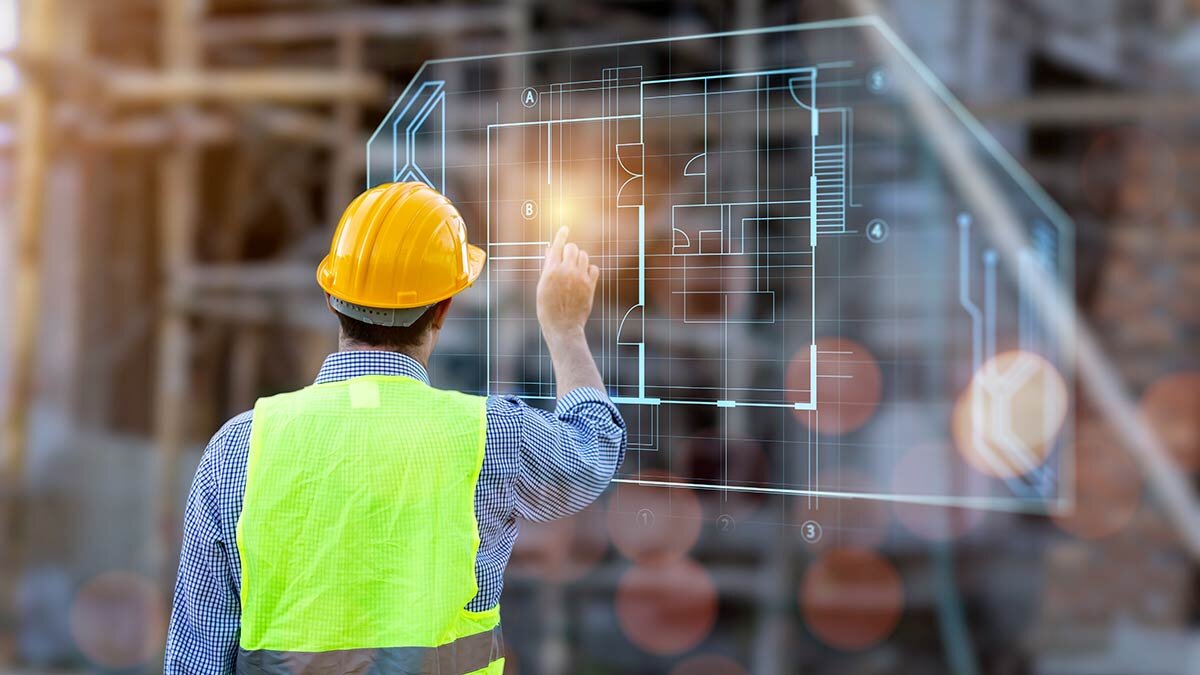
Today’s jobsites demand more than just physical protection; they call for smarter, connected solutions. That’s where smart helmets come in. These wearable safety tools combine traditional hard hat protection with real-time data and digital insights to support decision-making for small business owners, safety managers, and contractors.
Whether you're overseeing a construction crew or managing safety protocols across multiple facilities, understanding what smart helmet technology offers could be a step toward a more informed, efficient workplace.
What Is a Smart Helmet?
A smart helmet is a wearable safety device that combines standard protective features (like impact resistance) with digital technologies such as sensors, cameras, communication tools, and augmented reality (AR) displays. These helmets are part of a growing class of smart PPE—personal protective equipment enhanced by connectivity and automation.
Popular in industries like construction, manufacturing, and logistics, smart helmets often feature:
- 360° cameras for jobsite visibility
- Environmental sensors that monitor air quality, temperature, or proximity to hazards
- Real-time communication systems to keep teams connected
- AR overlays for hands-free instruction or blueprint viewing
How Smart Helmets Help Reduce Risk on the Jobsite
Smart helmets are more than just upgraded hard hats; they’re data-driven tools designed to support real-time situational awareness. Smart helmets may contribute to increased safety awareness through features such as:
- Early hazard detection—Built-in environmental sensors can alert teams to dangerous air quality, excessive heat, or chemical exposure before it becomes a threat.
- Improved situational awareness—Features like 360° cameras and proximity sensors help users navigate crowded or high-risk areas more safely, especially around heavy machinery.
- Faster incident response—Fall-detection systems can trigger alerts immediately, allowing supervisors to react quickly and initiate emergency protocols if needed.
- Reduced manual errors—Augmented reality (AR) overlays can display step-by-step instructions, helping workers follow procedures more accurately and hands-free.
- Stronger team coordination—Live video streaming and built-in communication tools keep workers connected, making it easier to solve problems and avoid miscommunication.
Smart Helmet Features That Support Jobsite Safety
Smart helmets don’t just look futuristic; they’re designed to solve real jobsite problems. Here are some of the most useful features.
- Fall detection and alerts: Sensors detect sudden motion or impacts, alerting supervisors in real time.
- Proximity sensors: Help prevent collisions with heavy machinery or warn workers when entering restricted zones.
- Thermal imaging: Useful in electrical or HVAC work to detect hot spots or leaks.
- Live video streaming: Supports remote inspections or expert assistance without halting work.
These tools can help reduce downtime, improve safety compliance, and support quicker decision-making, all while keeping hands free.
Smart Helmets by Industry
Smart helmets are especially valuable in high-risk industries. Here's how different teams are using them.
- Construction: Enhance visibility in complex environments and provide AR guidance for blueprint interpretation.
- Manufacturing: Monitor air quality or chemical exposure levels in real time.
- Utilities: Allow field workers to stream live footage back to a control center during inspections or repairs.
- Facility Management: Help maintenance crews document issues on-site and access repair instructions without returning to a workstation.
Choosing the Right Smart Helmet for the Job
When evaluating smart helmets for your team, consider:
- Environment: Indoor vs. outdoor use may affect which sensors are most valuable.
- Connectivity: Does the helmet support Wi-Fi, Bluetooth, or LTE for your jobsite needs?
- Battery life: Long shifts require helmets that can run for hours without charging.
- Ease of use: Look for intuitive controls and minimal setup to avoid training delays.
- Compliance: Verify whether it meets applicable ANSI/ISEA standards for head protection as required for your jobsite.
Smart helmets represent a shift toward connected, proactive safety tools. By combining head protection with cutting-edge technology, they offer teams additional tools for improving coordination and situational awareness.
Whether you're managing a team of five or fifty, smart helmet technology may support a more connected and responsive approach to jobsite conditions.
Product Compliance and Suitability
The statements contained in this guide are intended for general informational purposes only. Such statements do not constitute a product recommendation or representation as to the appropriateness, accuracy, completeness, correctness, or currentness of the information provided. Information provided in this guide does not replace the use by you of any manufacturer instructions, technical product manual, or other professional resource or adviser available to you. Always read, understand, and follow all manufacturer instructions. Portions of this article were generated in part by ChatGPT, and edited by a member of the Zoro team.
