


What Is a Steam Trap? Function, Types, and Maintenance Guide
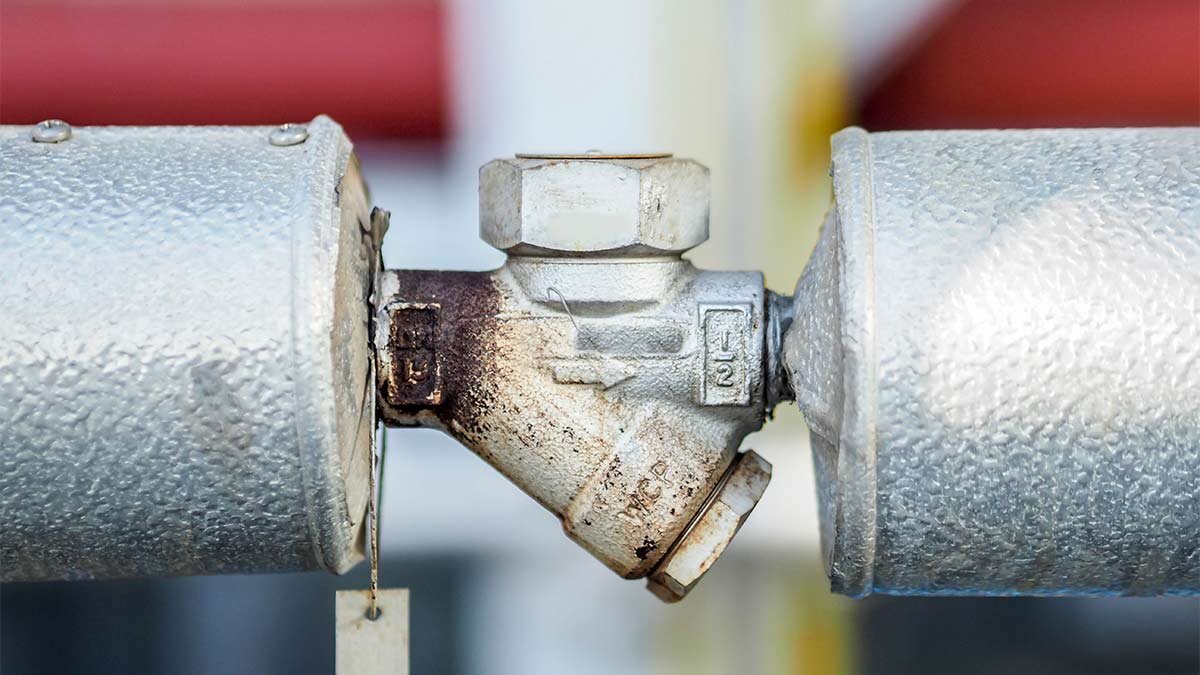
When you run a facility or process that uses steam (for heating, sterilization, drying, or other purposes), you're probably using steam traps, which are often small, invisible workhorses that quietly protect your system’s efficiency. In this article, we’ll walk you through what a steam trap is, how it works, types of steam traps, maintenance, and common troubleshooting tips so you can keep your operations running smoothly.
What Is a Steam Trap?
At its simplest, a steam trap is an automatic valve that lets condensate (water) and non-condensable gases exit the steam system while keeping live steam inside.
Steam begins as a vapor carrying latent heat. As it gives up its heat in your process, it condenses into liquid water (condensate). That water must be removed, or it will pool in your pipes, cause “water hammer,” or block steam from reaching your equipment. The trick is to remove the condensate without letting live steam bleed out. That’s exactly the trap’s job.
Steam traps also need to discharge air and other non-condensable gases so your steam can reach the heat transfer surfaces.
Every steam system needs properly functioning traps because missing or failed traps are a major source of energy loss or operational upset.
How a Steam Trap Works
Though steam traps come in different types, their core logic is similar: sense when condensate needs to be removed, open briefly to discharge it, then close again to block steam.
Here’s a generalized cycle:
Condensate accumulates in the trap body (lowest point).
A sensing mechanism (float, temperature element, pressure/disc) detects that there’s liquid or a drop in temperature/pressure.
The trap opens and allows condensate (and perhaps small amounts of non-condensables) to flow out.
Once the condensate is drained, the sensing element detects that conditions have returned to steam (or pressure regime) and closes, preventing live steam from escaping.
The cycle repeats continuously during operation.
Each trap type handles this sensing and opening/closing differently. Because steam and condensate have different properties (density, pressure, temperature), traps exploit those differences to decide when to open or close.
Steam Trap Selection Guide
Choosing the right steam trap keeps your system efficient, safe, and easier to maintain. The best trap depends on your pressure range, condensate load, and how your system operates day to day. Use this steam trap selection guide to compare key factors and narrow down your options.
Steam Trap Maintenance & Troubleshooting
Even a well-chosen steam trap needs regular care to keep your system efficient and reliable. Routine inspection, cleaning, and recordkeeping can help catch small issues before they become costly problems.
Why Maintenance Matters
Over time, steam traps can fail—either open, allowing steam to escape, or closed, preventing condensate from draining. Both conditions waste energy and can harm equipment. A failed-open trap loses valuable steam, while a failed-closed trap causes condensate buildup that may lead to water hammer, uneven heating, or corrosion.
Maintenance Methods & Best Practices
Keeping your traps in good shape doesn’t have to be complicated. Follow these proven steps to maintain performance and extend service life.
Steam traps may be small, but they have a big impact on system performance. Knowing how they work, choosing the right type, and staying on top of maintenance helps prevent energy loss and costly downtime. With regular inspections and proper care, your steam system can run smoothly and efficiently for years to come.
Product Compliance and Suitability
The statements contained in this guide are intended for general informational purposes only. Such statements do not constitute a product recommendation or representation as to the appropriateness, accuracy, completeness, correctness, or currentness of the information provided. Information provided in this guide does not replace the use by you of any manufacturer instructions, technical product manual, or other professional resource or adviser available to you. Always read, understand, and follow all manufacturer instructions. Portions of this article were generated in part by ChatGPT, and edited by a member of the Zoro team.
