


What Small Business Owners Should Know About Smart Protective Clothing
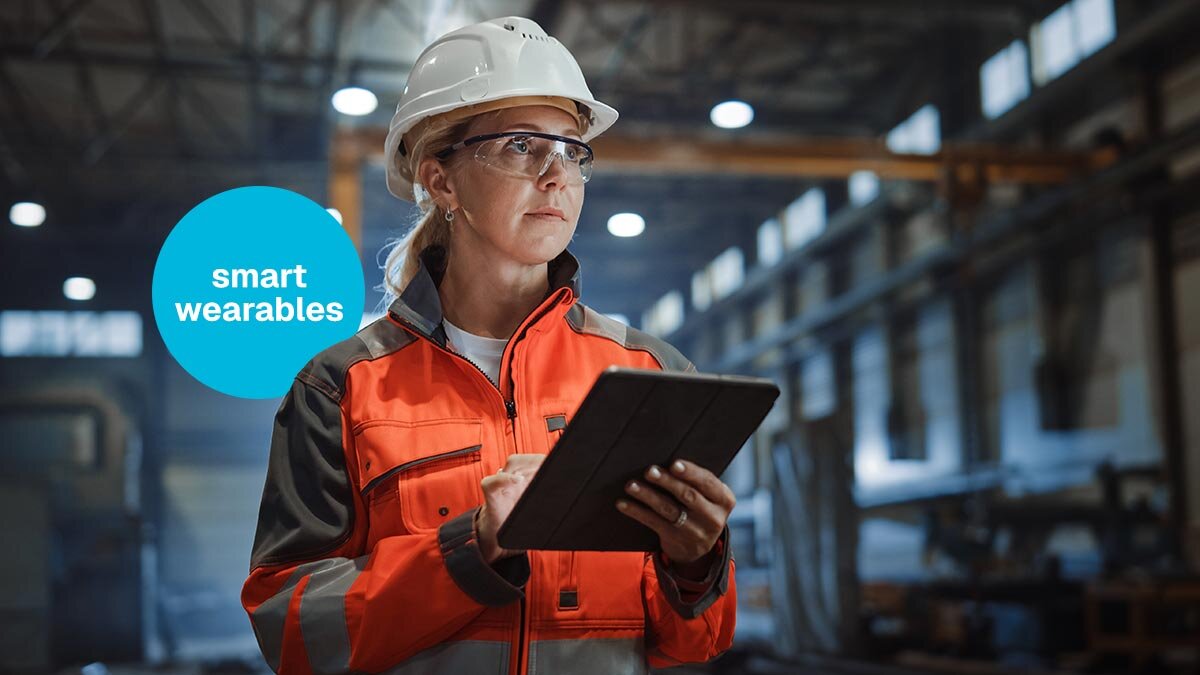
When you’re running a small business in construction or manufacturing, keeping your team safe contributes to maintaining productivity, meeting compliance requirements, and supporting overall operations. Personal protective equipment (PPE) has always played a key role on jobsites, but today’s protective clothing is evolving with smart technology that helps support awareness, connectivity, and information-sharing for both workers and employers.
If you’re wondering how smart PPE fits into your operations or what types of protective clothing make sense for your team, this guide can help. We’re breaking down the facts on wearable safety technology and providing tips on what to look for when evaluating PPE for small businesses.
What Is Smart Protective Clothing?
Smart protective clothing, also called connected protective equipment, adds a layer of technology to traditional safety items. This tech can include sensors, GPS, wireless connectivity, or data-sharing features that alert wearers (and supervisors) to changes in their environment, posture, or vital signs.
Smart Clothing Examples in the Workplace
Here are a few types of smart clothing and connected equipment you may encounter in today’s industrial settings. These tools are not a substitute for following required safety protocols, but they may contribute additional information and help improve situational awareness.
- Smart helmets include sensors that detect certain impacts or potential signs of fatigue and can be configured to deliver audio or visual alerts.
- Vests with GPS trackers help locate workers on large or high-risk jobsites
- Heat-sensing garments warn of elevated body temperature and help monitor conditions
- Posture-monitoring wearables support proper lifting and reduce strain
- Fall detection gear sends alerts if a worker falls or is inactive for a prolonged period
Why Smart PPE Matters for Small Businesses
For small business owners, investing in new safety technologies may feel like a stretch. However, smart PPE may assist teams by providing additional data and insights into workflow conditions, potentially without requiring significant changes to current safety practices.
Some key benefits include:
- Increased oversight—Smart safety gear can help you understand how and where PPE is being used in the workplace.
- Faster response times—Some connected protective equipment tools may be capable of sending alerts if they detect signs consistent with a distress event, depending on configuration and use.
- Data for training and compliance—Certain smart PPE systems may collect data that could potentially be used to support training efforts or compliance documentation, subject to how they are configured and applied.
Keep in mind: According to OSHA, PPE must meet certain performance standards depending on the type of hazard. Smart features may offer added insights, but the core function of each item should still comply with the relevant safety regulations for your industry.
Choosing Protective Clothing and Smart PPE for Your Team
When selecting PPE for small businesses, start with a risk assessment.
- What are the most common hazards in your workplace?
- What types of protective clothing are already required by OSHA or your local authority?
- Which job roles could benefit from smart clothing or sensors?
- Can wearable safety technology integrate with your existing communication or safety systems?
Once you’ve mapped out your needs, look for smart PPE with clear specifications. Pay attention to:
- Battery life and connectivity
- Durability for your work environment
- Ease of use and training requirements
- Data privacy or sharing options, especially if devices collect personal information
Final Thoughts
Smart protective clothing isn’t a one-size-fits-all solution. It may offer opportunities for small businesses to enhance awareness, documentation, and operational decision-making related to safety. Whether you’re exploring PPE tech for the first time or upgrading your PPE in the workplace, selecting the appropriate gear may help support team needs and maintain operational continuity.
As technology evolves, so does the potential for smarter, more connected worksites. Stay informed, stay compliant, and consider how integrated safety tools could play a role in supporting your business operations.
Product Compliance and Suitability
The statements contained in this guide are intended for general informational purposes only. Such statements do not constitute a product recommendation or representation as to the appropriateness, accuracy, completeness, correctness, or currentness of the information provided. Information provided in this guide does not replace the use by you of any manufacturer instructions, technical product manual, or other professional resource or adviser available to you. Always read, understand, and follow all manufacturer instructions. Portions of this article were generated in part by ChatGPT, and edited by a member of the Zoro team.
