


What to Do Before Turning On a Furnace in Your Small Business
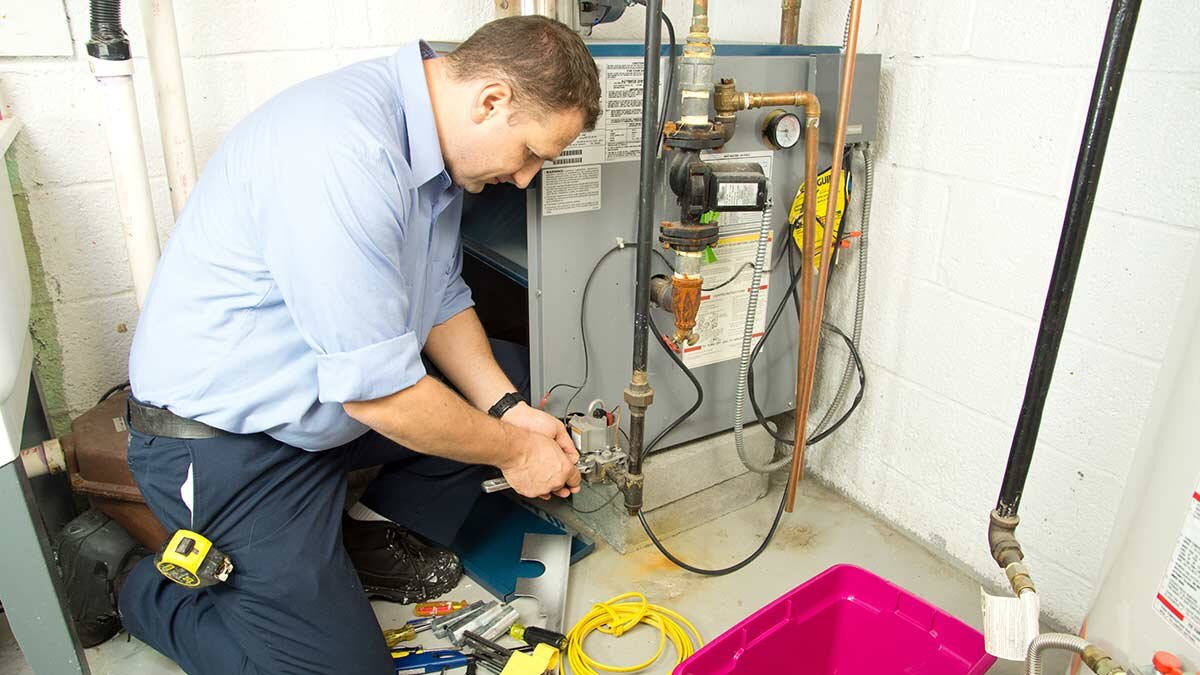
As a small business owner, you’ve got enough on your plate, so when it comes to heating your space, you want things to run smoothly from day one. Whether you manage a shop, run a repair bay, or keep a crew warm in a back office, knowing what to do before turning on a furnace can help you avoid surprises when the temperature drops. Before you flip the switch and start heating your space, use this quick-start checklist to get your furnace ready for winter without the guesswork, then read the full article for more details.
A quick summary of the furnace startup checklist:
- Swap out the furnace filter.
- Clear the area around the furnace.
- Check vents and ducts.
- Test safety devices.
- Set the thermostat.
- Book a professional inspection.
Swap Out That Furnace Filter
A clean filter isn’t just good for airflow; it also helps your system run more efficiently and protects your investment. If your business was closed or operating with low traffic over the summer, it’s still a good idea to inspect the filter. Replace it if it looks dusty or discolored. It’s a quick task that supports a healthy workspace and reduces strain on your system.
Clear the Area Around the Furnace
We’ve all been there—extra boxes, cleaning supplies, and parts end up crowding the furnace area. But clutter creates a fire risk and limits access. Before turning on the heat for the first time, give your equipment room a once-over. Clear at least three feet of space around the unit. It’s a simple step, but it helps keep your people and property safe.
Check Vents and Ducts
Walk your workspace and make sure nothing’s blocking air vents: no stock carts, no display racks, no storage bins. Obstructed airflow makes your system work harder and costs you more. If your ductwork hasn’t been cleaned in a while, consider calling in a pro. Clean vents = better comfort and fewer service calls later.
Test Safety Devices
Your furnace works best when your safety systems do too. Test carbon monoxide detectors and smoke alarms, especially if they’ve gone untouched since spring. Change batteries and make sure everything’s in working order. If you use smart monitoring or building controls, now’s the time to double-check that alerts and devices are synced properly.
Set the Thermostat and Watch What Happens
Switch your thermostat to “heat” and bump it up a few degrees. Listen for the system to start and feel for warm air at the vents. If your furnace stays silent or makes strange noises, don’t wait. Shut it off and call a licensed technician. While you're at it, check that your heating schedule still aligns with your current hours of operation.
Book a Professional Inspection
Even if everything seems fine, seasonal maintenance is one of the smartest things you can do. A licensed HVAC tech can spot small issues before they turn into big ones. They'll check for safe ignition, inspect wiring, clean burners, and make sure your heat is reliable when you need it most.
FAQs
How often should I change my furnace filter?
The frequency depends on the type of filter and how often your furnace runs, but a good rule of thumb is to check it monthly and replace it every 1-3 months.
What are the signs I need to call a professional to take a look at my furnace?
Strange noises, a complete lack of heat, a yellow pilot light (should be blue), or a spike in your heating bills are all reasons to call a professional technician immediately.
What is a carbon monoxide detector, and why do I need one?
A carbon monoxide detector senses the presence of carbon monoxide, a colorless, odorless, and potentially deadly gas that can be produced by a malfunctioning furnace. It is a critical safety device for any business.
Final Thoughts
Running a business means staying ahead of problems, and your heating system is no exception. Taking time to handle furnace maintenance before winter gives you one less thing to worry about when cold weather hits. You don’t need to be an HVAC expert to stay prepared. Just stay proactive. Need tools, filters, or safety gear to get started? We’ve got what you need to check those boxes.
Product Compliance and Suitability
The statements contained in this guide are intended for general informational purposes only. Such statements do not constitute a product recommendation or representation as to the appropriateness, accuracy, completeness, correctness, or currentness of the information provided. Information provided in this guide does not replace the use by you of any manufacturer instructions, technical product manual, or other professional resource or adviser available to you. Always read, understand, and follow all manufacturer instructions. Portions of this article were generated in part by ChatGPT, and edited by a member of the Zoro team.
