
What Can I Do With an Angle Grinder? (Cutting, Grinding, Cleaning & More)
See what an angle grinder can cut and the best attachments to use.
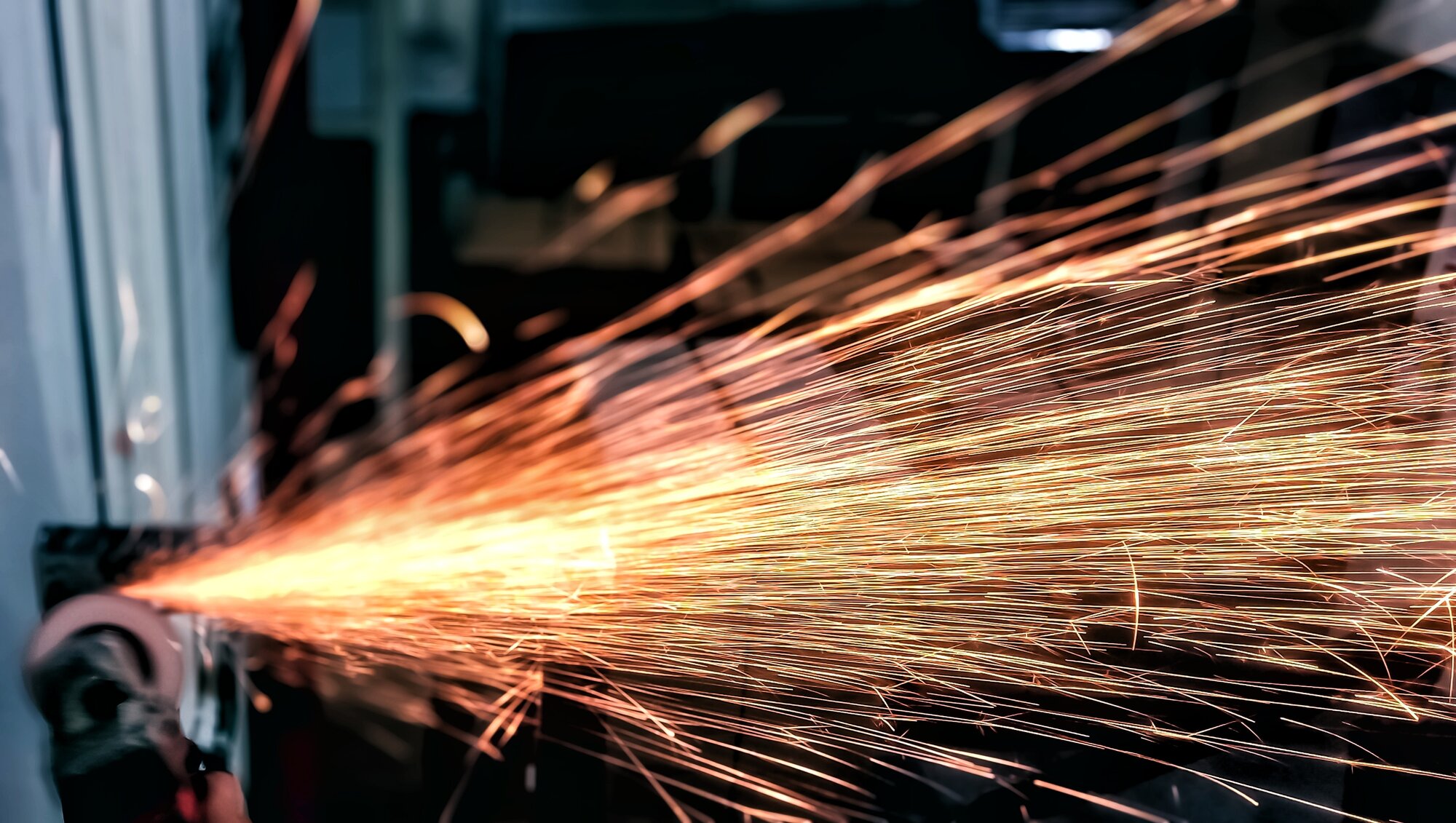
An angle grinder is one of the most versatile handheld tools: it can cut, grind, clean, and prep surfaces across materials like metal, masonry (concrete/brick/pavers), and tile/stone—as long as you use the correct wheel/blade and safety controls.
What you’ll need
- An angle grinder sized for the job (common sizes: 4–1/2", 5", 6", 7", 9")
- The correct accessory for the task (cut-off wheel, grinding wheel, flap disc, wire wheel, diamond blade, etc.)
- Proper guard position, side handle installed, and PPE
For concrete/stone/tile work: dust control (shroud + vacuum or wet method) is often important because silica dust can be hazardous (OSHA)
The big things an angle grinder can do
1) Cut
With the right wheel/blade, you can cut metal and masonry materials
2) Grind and shape
Great for removing weld bead, beveling edges, and aggressive material removal with grinding wheels.
3) Blend and finish
Flap discs can grind and refine the surface without switching tools, which is why many shops use them for weld blending and finishing passes.
4) Clean and prep surfaces
Wire wheels/cup brushes remove rust, paint, and scale (surface prep), and conditioning discs can help with final prep.
Materials you can cut with an angle grinder (and what to use)
Metal (steel, angle iron, bolts, rebar, sheet metal)
Best accessories
Common jobs
- Cut bolts, rod, rebar, brackets
- Trim sheet metal and tubing
- Cut out rusted fasteners or seized hardware
Stainless steel (and other “heat-sensitive” metals)
Best accessories
- Cut-off wheels labeled for stainless
- Flap discs for blending (often preferred when you want a cleaner finish)
Tip
Stainless can discolor from heat—use lighter pressure and let the wheel do the work.
Concrete, pavers, brick, block, mortar joints
An angle grinder can cut these materials using diamond blades designed for masonry. Many diamond blade product specs explicitly list materials like concrete, brick, block, and stone as intended uses.
Best accessories
- Segmented diamond blade (fast cuts in masonry)
- Tuckpoint/pointing blade (mortar removal and joint work—use the correct blade type)
Silica dust caution (important)
Grinding/cutting concrete, masonry, and other silica-containing materials can generate respirable crystalline silica; OSHA and NIOSH both emphasize dust controls (like shrouds + vacuums or wet methods) to reduce exposure. (OSHA)
Stone (natural stone, countertop offcuts, landscaping stone)
Best accessories
- Diamond blade matched to stone type
- Diamond cup wheel for surface grinding (leveling, removing high spots)
Tip
Stone varies a lot in hardness—use a blade designed for your material and prioritize dust control. (OSHA)
Tile (ceramic/porcelain)
Angle grinders are commonly used for tile cuts (notches, small trims, shaping) with diamond blades intended for tile/porcelain.
Best accessories
- Continuous rim or tile-rated diamond blade (often preferred for cleaner cuts)
- Diamond polishing pads (for edge finishing, depending on setup)
More high-value angle grinder tasks (beyond cutting)
Remove rust, paint, and scale
Use: wire wheels/cup brushes, surface conditioning discs
Grind down welds and clean up edges
Use: Type 27 grinding wheels, flap discs
Sharpen/shape metal (with care)
Use: grinding wheel or flap disc
Tip: Don’t overheat the workpiece; quench if appropriate for the material.
Safety notes (especially for concrete/pavers/tile)
- Use the correct wheel/blade for the material and ensure it’s rated for the grinder’s RPM.
- For concrete/masonry: dust can contain silica; OSHA’s silica fact sheet for handheld grinders calls out dust controls to minimize airborne dust. (OSHA)
- Keep the guard installed and positioned between you and the wheel path.
Material-to-Wheel Picker: What to Use (and Why)
Metal (steel, rebar, bolts, angle iron)
Best wheel/blade: Thin cut-off wheel (Type 1) for cutting; Type 27 grinding wheel for heavy removal
Pro tip: Don’t side-load a cut-off wheel—use a grinding wheel or flap disc for edge work.
- https://www.zoro.com/cut-off-wheels/c/5948/
- https://www.zoro.com/k/grinding-wheels/
- https://www.zoro.com/flap-discs/c/6068/
Stainless steel
Best wheel/blade: Stainless-rated cut-off wheels + flap discs for blending/finishing
Pro tip: Use lighter pressure to reduce heat tint/discoloration.
Shop links:
- https://www.zoro.com/flap-discs/c/6068/
Aluminum (and other soft non-ferrous metals)
Best wheel/blade: Wheels rated for non-ferrous metals (or accessories specifically designed for aluminum)
Pro tip: Aluminum can load up/clog certain abrasives—use the correct wheel type and avoid forcing the cut.
Shop links:
Concrete
Best wheel/blade: Diamond blade (cutting) or diamond cup wheel (surface grinding)
Pro tip: Control dust—concrete work can produce respirable crystalline silica; OSHA highlights dust controls for handheld grinders. (osha.gov)
Shop links:
- https://www.zoro.com/k/diamond-blade/
- https://www.zoro.com/k/diamond-cup-wheel/
- https://www.zoro.com/k/grinder-dust-shroud/
Pavers (concrete pavers, brick pavers)
Best wheel/blade: Segmented diamond blade for faster masonry cuts
Pro tip: Score the cut line first for cleaner edges, then deepen the cut in passes.
Shop links:
Brick and block (CMU)
Best wheel/blade: Diamond blade rated for masonry
Pro tip: Let the blade do the work—pushing too hard can cause binding and chipping.
Shop links:
Mortar joints (tuckpointing/removal)
Best wheel/blade: Tuckpoint diamond blade (mortar/joint work)
Pro tip: Use a guard/dust shroud designed for tuckpointing; dust control matters. (osha.gov)
Shop links:
Stone (natural stone, landscaping stone)
Best wheel/blade: Diamond blade for cutting; diamond cup wheel for grinding/leveling
Pro tip: Stone varies in hardness—match the diamond product to the material for better speed and blade life.
Shop links:
Ceramic tile
Best wheel/blade: Tile-rated diamond blade
Pro tip: Cut in light passes to reduce chipping; support tile well to prevent cracking.
Shop links:
Porcelain tile
Best wheel/blade: Porcelain-rated diamond blade
Pro tip: Porcelain is dense—go slower and use a blade designed for porcelain for cleaner cuts.
Shop links:
Rust/paint removal (metal surface prep)
Best wheel/blade: Wire wheel/cup brush or surface conditioning disc
Pro tip: Wire wheels can throw wires—face protection is a good idea.
Shop links:
FAQs
Can an angle grinder cut pavers and concrete?
Yes—with a diamond blade designed for masonry. Plan for dust control because cutting/grinding concrete and masonry can generate respirable crystalline silica. (OSHA)
What’s the most versatile “starter” set of accessories?
A thin cut-off wheel, a Type 27 grinding wheel, and a flap disc cover a huge portion of metal cutting, grinding, and finishing tasks.
Product Compliance and Suitability
The statements contained in this guide are intended for general informational purposes only. Such statements do not constitute a product recommendation or representation as to the appropriateness, accuracy, completeness, correctness, or currentness of the information provided. Information provided in this guide does not replace the use by you of any manufacturer instructions, technical product manual, or other professional resource or adviser available to you. Always read, understand, and follow all manufacturer instructions. Portions of this article were generated in part by ChatGPT.
