


Winter HVAC Maintenance Checklist for Small Businesses: 10 Essential Tips
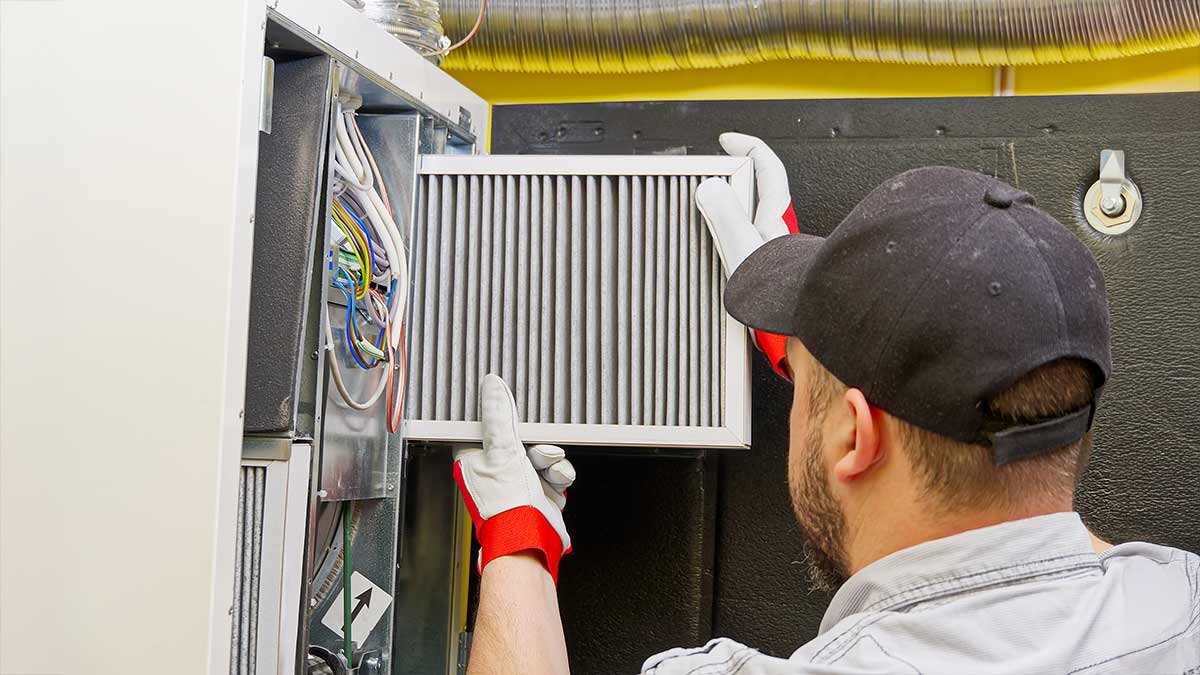
Table of Contents
- Quick HVAC Winter Prep Checklist
- 1. Schedule a Professional HVAC Winter Tune-Up
- 2. Replace or Clean Air Filters
- 3. Inspect and Seal Ductwork
- 4. Test the Thermostat
- 5. Clear Vents and Registers
- 6. Check the Furnace Burner and Pilot Light
- 7. Look for Unusual Noises or Odors
- 8. Keep Outdoor Units Free of Snow and Debris
- 9. Inspect Electrical Connections and Safety Controls
- 10. Review Emergency Plans and Backup Heating Options
Winter can strain your business’s HVAC system, leading to energy waste, equipment failures, and workplace discomfort. This 10-step HVAC winter maintenance checklist is designed to help small business owners stay ahead of seasonal challenges, ensuring efficient heating, safe operation, and uninterrupted productivity. Read the quick checklist summary below, then read the full article for details.
Quick HVAC Winter Prep Checklist
| Maintenance Task | Why It Matters |
| Schedule a professional HVAC tune-up | Prevents mid-season breakdowns and improves energy efficiency |
| Replace or clean air filters | Supports airflow, extends system life, and improves indoor air quality |
| Inspect and seal ductwork | Reduces heat loss, improves system performance, and lowers utility costs |
| Test the thermostat | Ensures accurate temperature control and reduces unnecessary heating cycles |
| Clear vents and registers | Promotes even heating and reduces strain on the system |
| Check furnace burner and pilot light | Identifies combustion issues and improves heating safety and reliability |
| Listen for unusual noises or odors | Detects potential mechanical failures early and prevents costly repairs |
| Clear snow and debris from outdoor units | Maintains airflow and protects external components like heat pumps |
| Inspect electrical connections | Prevents electrical hazards and keeps safety controls functioning properly |
| Review emergency heat plans | Prepares staff and equipment in case of system failure or severe cold weather |
1. Schedule a Professional HVAC Winter Tune-Up
Before the heating season hits full swing, schedule a comprehensive HVAC winter tune-up. A technician can test your system, calibrate your thermostat, and check for wear and tear. This not only helps prevent unexpected breakdowns but also ensures your system runs as efficiently as possible when you need it most.
2. Replace or Clean Air Filters
Dirty filters strain your system and reduce indoor air quality. As part of your HVAC preventive maintenance checklist, replace or clean filters regularly, ideally once a month during peak use. Fresh filters help improve airflow, reduce wear on components, and maintain consistent indoor temperatures.
3. Inspect and Seal Ductwork
Don’t overlook your ducts. Leaky or uninsulated ductwork leads to energy loss and uneven heating. A quick ductwork inspection for winter can reveal gaps, blockages, or insulation issues. Seal leaks with mastic or metal tape, and consider insulating ducts in spaces like basements or attics.
4. Test the Thermostat
Your thermostat is the command center for your HVAC system. Make sure it’s reading accurately and programmed for business hours. Consider upgrading to a smart or programmable thermostat to optimize performance and save on heating costs.
5. Clear Vents and Registers
Blocked vents can cause hot and cold spots and force your system to work harder than necessary. Walk through your space and ensure that furniture, rugs, or boxes aren’t covering supply or return vents. This simple step supports airflow and keeps everyone more comfortable.
6. Check the Furnace Burner and Pilot Light
Part of winter furnace maintenance includes inspecting the burner and pilot light for safe, efficient operation. If the flame is yellow instead of blue, it may indicate poor combustion or a ventilation issue. When in doubt, bring in a licensed technician to inspect and clean these components.
7. Look for Unusual Noises or Odors
If your system makes banging, grinding, or whistling sounds—or emits strange smells—it’s worth investigating. These can be signs of worn belts, dirty burners, or airflow problems. Catching them early can prevent larger issues later in the heating season.
8. Keep Outdoor Units Free of Snow and Debris
Even if you rely more on indoor heating during winter, your outdoor units still need attention. Clear away snow, ice, or fallen branches that might restrict airflow. This step helps protect winter heating systems like heat pumps or dual-fuel units.
9. Inspect Electrical Connections and Safety Controls
Loose wires or failing components can reduce system reliability. During your winter HVAC maintenance, test electrical connections, inspect contactors, and ensure safety controls are working properly. This minimizes fire risk and helps your equipment respond correctly to temperature changes.
10. Review Emergency Plans and Backup Heating Options
If your main system goes down, do you have a plan? Make sure backup heaters are tested, smoke alarms have fresh batteries, and staff know what to do. A little planning now prevents disruption when temperatures drop unexpectedly.
Final Thoughts
In winter, your HVAC system works harder and longer than at any other time of year. By following these simple HVAC tips for winter, you’re not just preparing your equipment; you’re protecting your business from costly downtime, energy waste, and comfort issues.
Helpful Resources
Product Compliance and Suitability
The statements contained in this guide are intended for general informational purposes only. Such statements do not constitute a product recommendation or representation as to the appropriateness, accuracy, completeness, correctness, or currentness of the information provided. Information provided in this guide does not replace the use by you of any manufacturer instructions, technical product manual, or other professional resource or adviser available to you. Always read, understand, and follow all manufacturer instructions. Portions of this article were generated in part by ChatGPT, and edited by a member of the Zoro team.
