


Workplace AEDs Explained: When They're Needed, Where to Place Them, and How to Stay Compliant
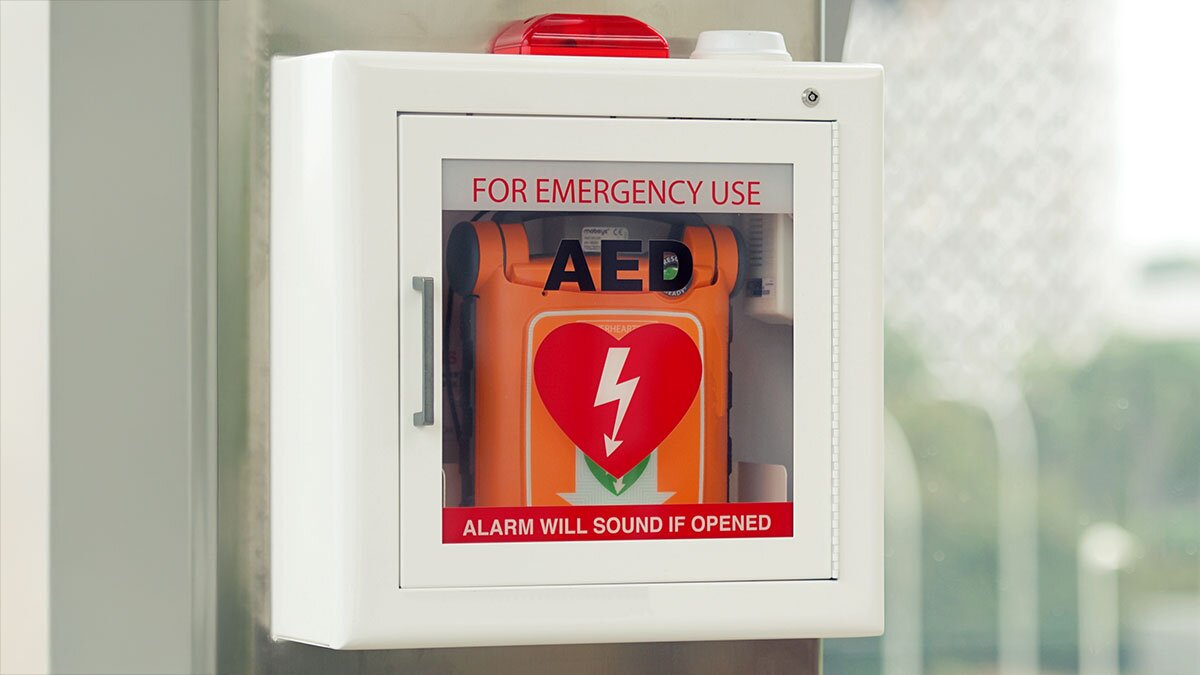
Sudden cardiac arrest can happen without warning, and in those moments, a quick response really matters. But do businesses really need to keep an Automated External Defibrillator (AED) onsite? It’s a question many office managers, safety supervisors, and facility buyers are asking. Let’s take a closer look at the practical, safety, and regulatory factors to consider when deciding if an AED belongs in your space.
What Is an AED and How Does It Work?
An Automated External Defibrillator (AED) is a portable medical device designed to help individuals experiencing sudden cardiac arrest. AEDs work by analyzing a person’s heart rhythm and, if necessary, delivering an electrical shock, known as defibrillation, to help the heart re-establish an effective rhythm. Despite their sophistication, AEDs are built for use by non-medical personnel and typically offer visual and voice prompts to guide the user through each step. Their ease of use and accessibility make them a critical tool in workplace safety. In many emergencies, an AED can serve as a life-saving bridge until professional medical help arrives.
Are AEDs Required in the Workplace?
While OSHA does not currently require all employers to provide AEDs, it strongly encourages their availability in high-risk environments, especially where timely access to emergency medical services may be limited.
AED Placement Best Practices
Where AEDs are present, clearly visible signage is essential. In an emergency, seconds matter. AED signage helps ensure that employees, visitors, or first responders can quickly locate and access the device without hesitation.
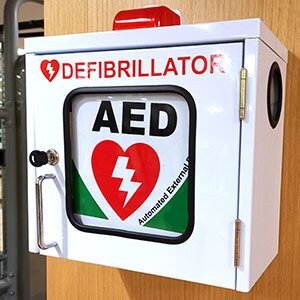
To maximize visibility and comply with AED signage requirements, make sure your signage follows these best practices.
- AEDs should be installed in highly visible, easily accessible locations where they can be retrieved and used within three minutes of a cardiac event. Ideal spots include lobbies, breakrooms, cafeterias, near elevators, and high-traffic areas, particularly where physical activity occurs or large groups gather.
- AEDs should never be locked away or blocked by equipment, furniture, or clutter. Instead, mount them on walls in clearly marked cabinets at an accessible height, following ADA guidelines when applicable.
- To reinforce preparedness, use directional signage throughout your facility and incorporate AED locations into emergency response training and drills. Businesses with multiple floors or large campuses should consider placing multiple units to ensure quick access across all areas.
If your business operates in multiple states, it’s a good idea to check local or state-specific guidelines.Some jurisdictions include signage requirements as part of workplace safety codes. Providing proper signage isn’t just a formality; it’s part of building a safer, more responsive workplace culture.
AED Laws Vary by State
AED laws are not governed solely at the federal level. Each state sets its own requirements regarding AED ownership, placement, maintenance, training, and registration. While all 50 states offer some form of Good Samaritan protection to individuals who use an AED in good faith, the specifics of compliance vary widely. For example, some states require certain businesses like gyms, schools, or government buildings to have AEDs onsite, while others simply recommend them. Additionally, states may mandate routine device maintenance, employee training, or emergency medical service (EMS) registration of the AED unit. Because these legal requirements differ across jurisdictions, businesses should consult up-to-date state legislation and local authorities to ensure full compliance and readiness in the event of a cardiac emergency.
Do You Need CPR and AED Training?
While AEDs are designed to be intuitive, CPR and AED training greatly improves both confidence and effectiveness in a real emergency. Knowing how to respond under pressure can make all the difference, and many workplaces choose to include this training as a core part of their overall safety program. In fact, CPR training requirements can vary depending on your industry, location, and the nature of your jobsite.
Does OSHA require CPR training? The short answer is, not always. OSHA does recommend training when there's no nearby access to medical facilities, and specific standards like NFPA 70E CPR training requirements do apply in electrical and high-risk environments. It’s important to know whether your business is subject to these rules, especially in manufacturing or construction, where medical emergencies can occur onsite.
So, who is required to have CPR training? It typically includes safety officers, shift leads, and anyone designated as a first responder. However, many businesses go beyond the minimum and extend training to supervisors or all team members in high-risk roles. Common jobs that require CPR training include electricians, machine operators, welders, field technicians, and site foremen.
Understanding CPR trainer requirements is equally important. Your training provider should be OSHA-authorized or recognized by an accredited organization such as the American Heart Association. How often is CPR training required? Don’t forget about keeping certifications current—most certifications need to be renewed every two years, though some roles or jurisdictions may call for more frequent refreshers.
Adding an AED to your workplace is more than a safety enhancement; it’s a statement of care and preparedness. While not required in every office, understanding your responsibilities for signage, maintenance, and training helps you make an informed decision based on your workforce and facility type.
Product Compliance and Suitability
The statements contained in this guide are intended for general informational purposes only. Such statements do not constitute a product recommendation or representation as to the appropriateness, accuracy, completeness, correctness, or currentness of the information provided. Information provided in this guide does not replace the use by you of any manufacturer instructions, technical product manual, or other professional resource or adviser available to you. Always read, understand, and follow all manufacturer instructions. Portions of this article were generated in part by ChatGPT, and edited by a member of the Zoro team.
