


Wrench Product Selection Guide
Table of Contents
When it comes to running a successful contracting business or managing a small operation, having the right tools on hand is crucial. With so many types, sizes, and brands of wrenches available, selecting the right one for your needs can be an overwhelming process.
This tool guide is here to simplify the job for you with in-depth information about different wrench styles, how to use each one properly, and the safety guidelines you'll need to follow.
Understanding the Types of Wrenches
Hex Key/Allen Wrench
|
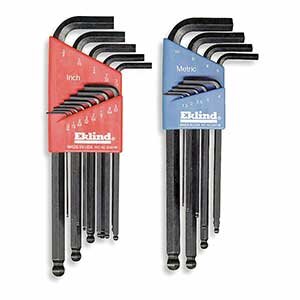
An Allen wrench (or hex key) is the proper tool for use with Allen-drive or hex sockets to tighten or loosen nuts and bolts (e.g., in faucets or door knobs) or to put together furniture. These wrenches come in various sizes, with both metric and standard options available, and are often sold in folding sets. |
Combination Wrench 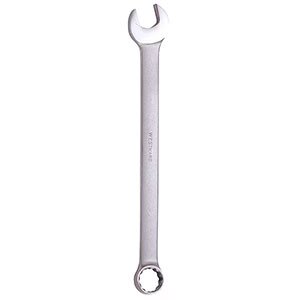 |
Combination wrenches combine an open-end wrench with a box-end wrench on opposite ends of a single hand tool, with both ends generally designed to fit the same size fasteners. The open end, with a C- or U-shaped head, is used for harder-to-reach fasteners, while the ring-shaped box end allows for greater torque and better loosening ability. Like many wrenches, these all-purpose wrenches are available in sets of both metric and standard sizes. |
Pipe Wrench 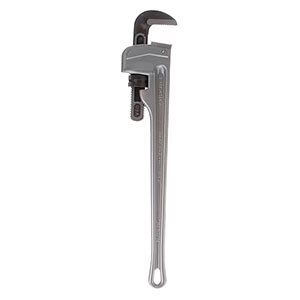 |
Used mainly by plumbers, the adjustable pipe wrench has serrated jaw teeth for an extra-secure grip when working with pipes, pipe fittings, and other rounded objects. Because it's adjustable, a single wrench can be used with many different pipe diameters and doesn't need to be purchased in a particular metric or standard size. However, different lengths are available for different applications. |
Adjustable Wrench 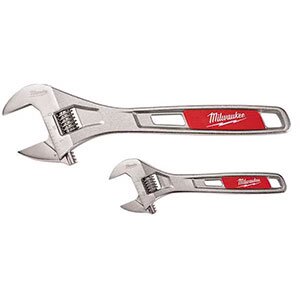 |
Often used for basic plumbing jobs like tightening the nuts on a water supply line—or when a wrench in the right size isn't available—adjustable wrenches have a jaw that can be adjusted to fit a wide range of nuts, bolts, and fasteners. They are available in different sizes and are sometimes called adjustable spanners. |
Ratcheting Wrench 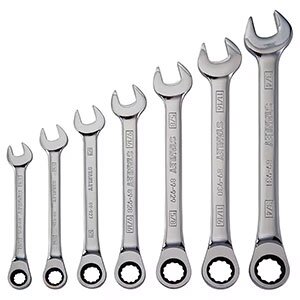 |
Ratcheting wrenches look similar to combination wrenches, but they also incorporate a ratchet on the box (ring-shaped) end. This allows the user to continually turn and tighten (or loosen) a fastener without having to reposition the wrench each time. They're excellent for general use in tight spaces and are available in both metric and standard sizes. They may include an open (non-ratcheting) end on one side or have two boxed ends. |
Box-End Wrench 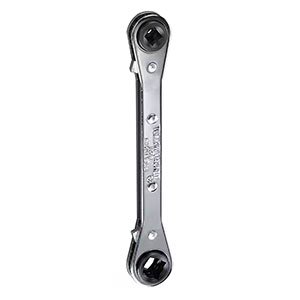 |
Like the box end of a combination wrench, a box-end wrench has a ring-shaped end that allows for greater torque and better loosening ability when you can access the top of a not or bolt fully. These wrenches give you the most loosening power when tight spaces aren't an issue and are ideal for automotive repairs and mechanics. Unlike combination wrenches, a box-end wrench will usually have rings on both ends in different sizes. The inside of the ring will typically have either 6 or 12 sides to match up with 6-sided nuts and bolts. |
Chain Wrench 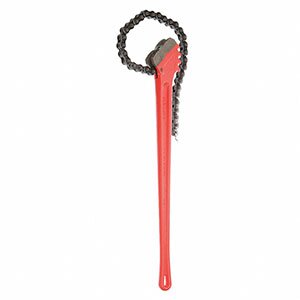 |
A chain wrench features an adjustable metal chain that can be used for tightening and loosening items with unusual shapes or in very tight spaces. Each one is adjustable in size, but they are also available in a range of lengths for different applications. |
Open-End Wrench 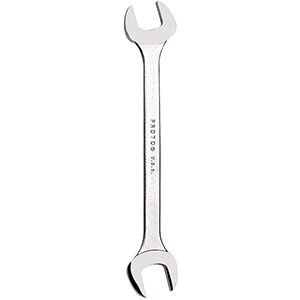 |
An open-end wrench with a C- or U-shaped head is ideal for use with hard-to-reach fasteners and is a great wrench for tight spaces. Unlike combination wrenches, each open-end wrench will typically feature 2 ends of different sizes, for use with different fasteners. Like other wrenches, these are for general-purpose use, including plumbing, and are available in both metric and standard sizes. |
Strap Wrench 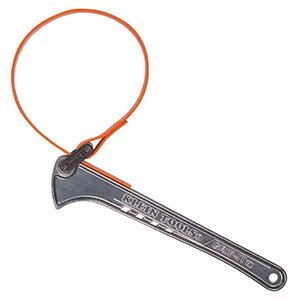 |
Strap wrenches are very similar to chain wrenches, but use a rubber strap in place of a metal chain. They're available in different sizes and are often used to tighten or loosen objects in unusual shapes, as well as cylinders and lids. |
Wrench Use and Safety
Choose the Right Size
It's important to match the size of the wrench you're using to the job, even when you're not working with a specific fastener or pipe size, because you'll get better leverage and results with a properly sized tool. If you use wrenches often, it's good to have basic standard and metric sets (or adjustable wrenches) that can work for a wide range of tasks.
Choose the Right Type of Wrench
Each job may require a different type of wrench. And while the same wrench may work for multiple jobs, that doesn't mean it's giving you the ideal maneuverability or torque. Review the types of wrenches above if you're in doubt about which one to use for the job.
Wear Proper PPE
Working with wrenches can sometimes lead to hazards like flying or falling debris, so don't forget to use proper PPE (like safety glasses) and practice basic safety every time.
Keep Your Wrenches Clean
Wrenches can get dirty, wet, and oily when they're used, especially in jobs like plumbing or when adjusting old fasteners. Make sure to keep them clean and dry to ensure good results every time.
Don’t Use a Damaged Wrench
If your wrench is damaged or bent in any spot, avoid using it. Trying to fix it with force or bending will only make the problem worse.
Don't Push Against the Wrench
Pushing "against" the wrench to speed up tightening or loosening is a common mistake and won't give you the desired result. Wrenches work by turning to create torque, not by pushing.
Don't Strike
Don't "strike" the wrench, either. Striking a wrench (i.e., with a hammer or mallet) can lead to breaking the tool or even injuring yourself or others.
Comply with Safety Standards
Make sure you're complying with any relevant safety standards for your business or role when choosing and using wrenches, including any OSHA regulations and industry rules that may apply.
With so many different types of wrenches available, it can be a daunting task to choose the right tool for your business or job. But with greater knowledge about the advantages, disadvantages, and important considerations relevant to each type of wrench, you can make an informed decision that will boost your business's productivity, safety, and bottom line in the years to come.
Shopping for wrenches and related products for your business? Find everything you need to get the job done at Zoro.com!
Product Compliance and Suitability
The statements contained in this guide are intended for general informational purposes only. Such statements do not constitute a product recommendation or representation as to the appropriateness, accuracy, completeness, correctness, or currentness of the information provided. Information provided in this guide does not replace the use by you of any manufacturer instructions, technical product manual, or other professional resource or adviser available to you. Always read, understand, and follow all manufacturer instructions.
