


Your Guide to Choosing the Best Tape Measure
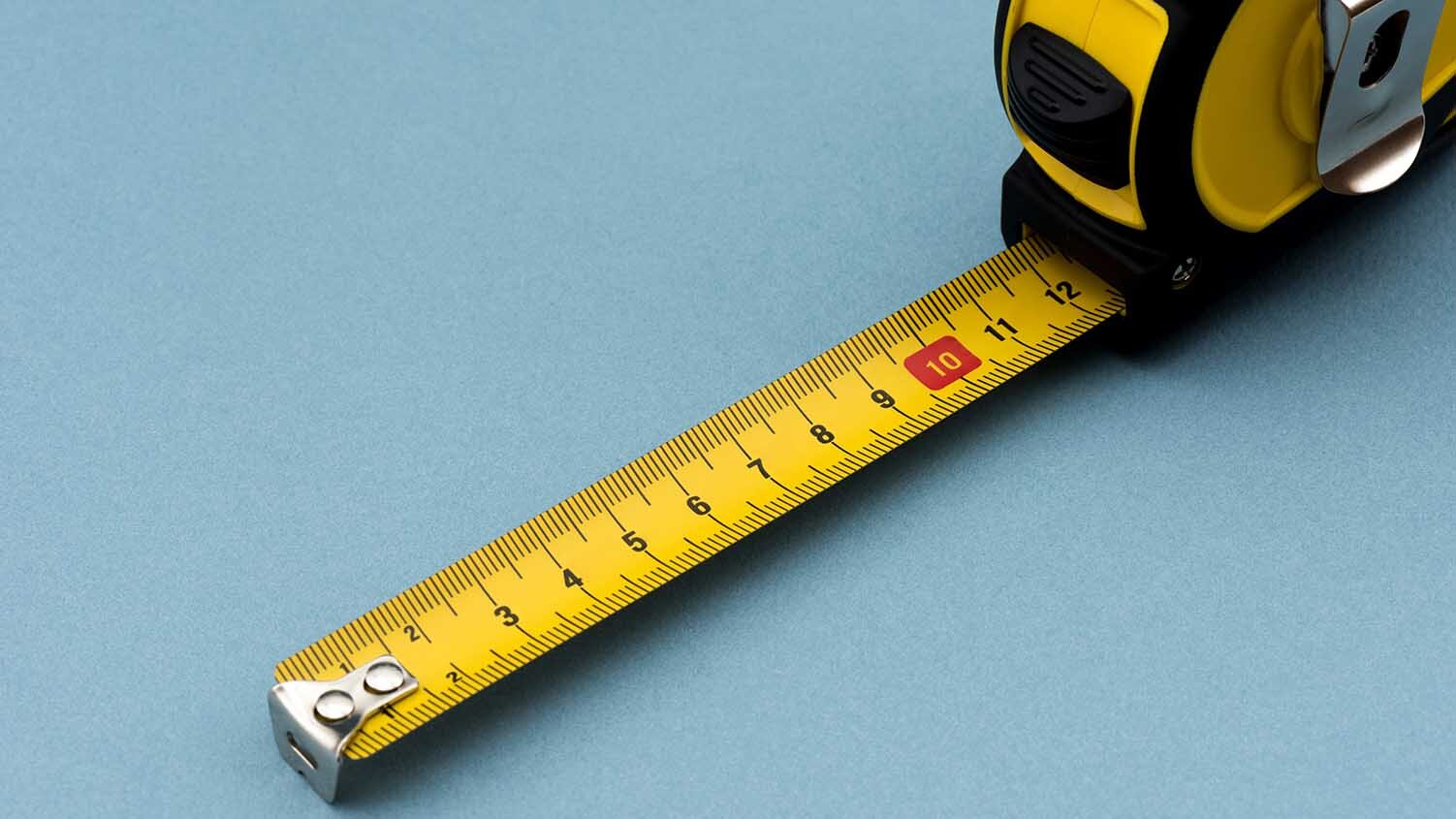
The old adage is “measure twice, cut once.” A trusted tape measure has nearly limitless uses, meaning your cuts will be just right without wasted material, and you won’t waste time and effort measuring over and over again. With different tape measures for different purposes, finding the best tape measure can be a bit tricky. Keep reading to find the style that matches your project.
Types of Tape Measures
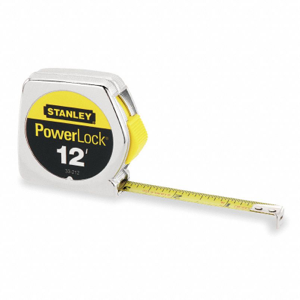
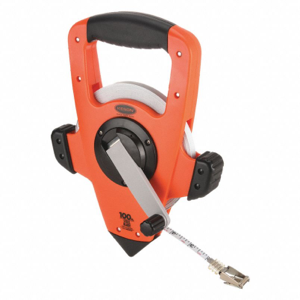
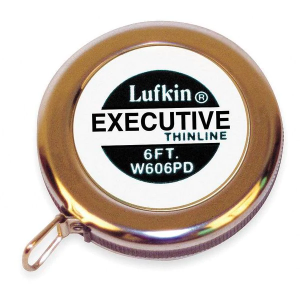
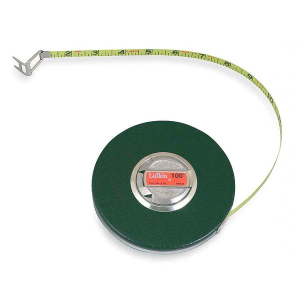
Cased, open reel, sewing, or laser, there’s a tape measure for every potential use. When you typically think of a tape measure, you’re probably thinking of a cased tape measure, with a metal tape enclosed in a plastic or metal housing, and either a level or sliding locking mechanism. Open-reel tape measures are large, open devices with a hand crank used to roll up the tape. A diameter tape or D-tape is used to measure the diameter of a pipe, tree trunk, or cylinder. Sewing measuring tapes are typically compact and extremely flexible, able to easily wrap around someone’s body. Laser distance meters use lasers to quickly and accurately measure lengths.
| Cased Tape Measure | Open-Reel Tape Measure | Diameter Tape Measure | Sewing Tape Measure | Laser Distance Meter |
 |
 |
 |
 |
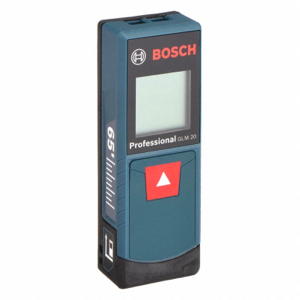 |
| A retractable metal or fiberglass blade in a metal or plastic housing with a mechanism that locks the blade into place. Often has a belt clip and the length of the case printed on the outside to be added onto a measurement. | The longest tape measures are typically made of coated fiberglass, have no exterior case, and are retracted by a hand crank. Some have a spike on the bottom for holding in place when measuring long distances over ground. | Also known as wrap-around or D-tape. Ultra-flexible and uses pi (the ratio of a circle’s circumference to the diameter) to accurately measure diameter of cylinders like pipes and poles. | Made of cloth or flexible plastic, these can tightly hug the body for accurate measurements. | Not a true tape measure, it instead bounces a beam of light off a target and measures the time it takes for the light to return in order to determine the distance between 2 surfaces. Very fast and very accurate. |
| Length: 3' to 100' | Length: 18' to 300' | Length: 6' to 10' | Length: 5' to 10' | Length: up to 1,000' |
|
Suited for:
|
Suited for:
|
Suited for:
|
Suited for:
|
Suited for:
|
Other Considerations
When looking for a tape measure, there are many different features to look for.
Belt clip: Many cased tape measures have handy clips for attaching to a belt, tool belt, or pocket so your tape measure is always at the ready.
Case material: Tape measure housings are typically plastic or metal. Some have rugged rubber bumpers for improving grip and protecting the tape measure.
Hook design: The hook is the tip of the blade and allows the user to attach one end of the tape measure to an object while reading the distance on the tape measure. Most hooks are metal, though some may be plastic. Rubberized tips give a better grip, and magnetic hooks hold on when measuring metal objects. Be sure you check a tape measure’s hook orientation. Most point down, but a few point up.
Length: Estimate the lengths or distances you’ll be measuring, then find a tape measure that covers that distance (with plenty of extra). Short measuring tapes are perfect for small projects, while long tapes are ideal for large-scale measuring.
Locking mechanism: Most cased tape measures (and some others) have a locking mechanism that keeps the blade at a fixed length. Releasing the lock typically triggers a mechanism that automatically retracts the tape measure.
Measurement markings: These are the numbers and incremental lines printed on a blade. They should be clear and easy to read. Tape measures usually have imperial units (inches and feet), metric units (millimeters, centimeters, and meters), or a combination of both. Some construction-focused blades have red marks every 16" to show stud spacing.
Choose the Right Tape Measure for the Job
Since a good tape measure (or two or three or more) is a crucial component of any toolbox, be sure you have one that does the job you need it to do. The right length, the style of tape, the proper hook—you can count on the selection from Zoro to have the tape measure you’re looking for.
Product Compliance and Suitability
The product statements contained in this guide are intended for general informational purposes only. Such product statements do not constitute a product recommendation or representation as to the appropriateness, accuracy, completeness, correctness, or currentness of the information provided. Information provided in this guide does not replace the use by you of any manufacturer instructions, technical product manual, or other professional resource or adviser available to you. Always read, understand, and follow all manufacturer instructions.
