


Your Guide to Choosing the Right Utility Knife
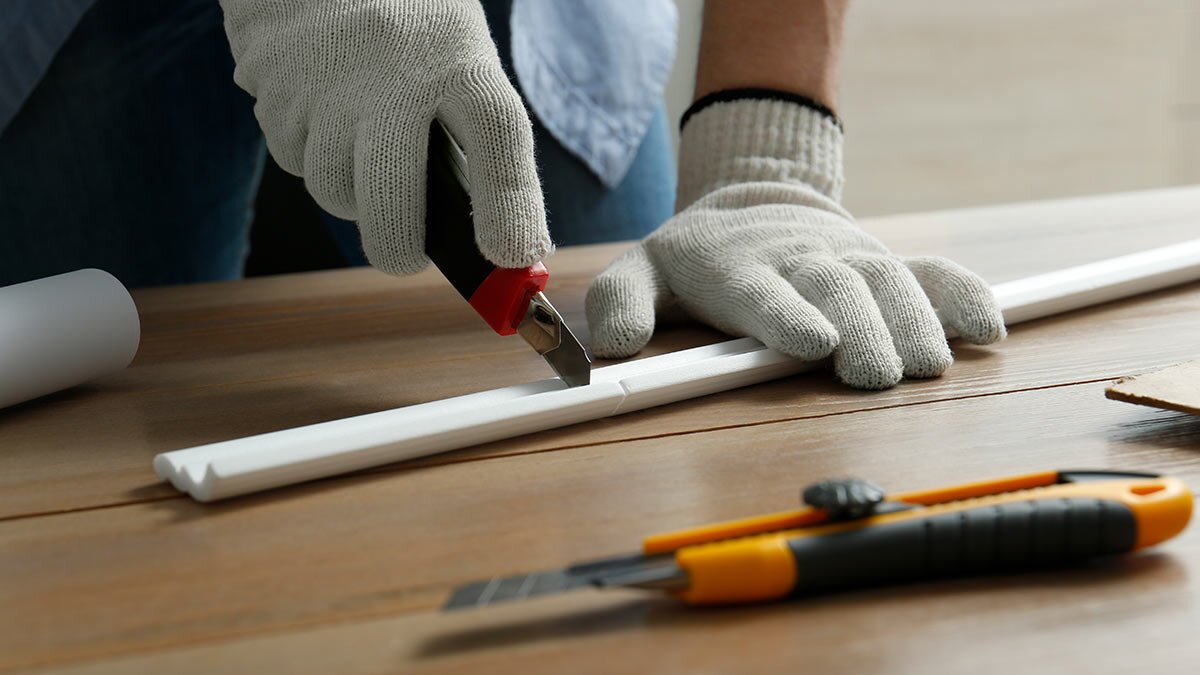
A utility knife is essential for professionals and small business owners. Whether cutting through drywall, breaking down packaging, or making precise cuts, the right utility knife can help you work more efficiently, enhance safety, and streamline your workflow. It’s a tool you’ll rely on daily, from warehouses to jobsites. But with so many options available, how do you choose the one best suited to your needs? Here’s what to consider when selecting the right utility knife for your business or tool box.
Types of Utility Knives | ||
| Type | Recommended For | Why It Belongs in Your Toolbox |
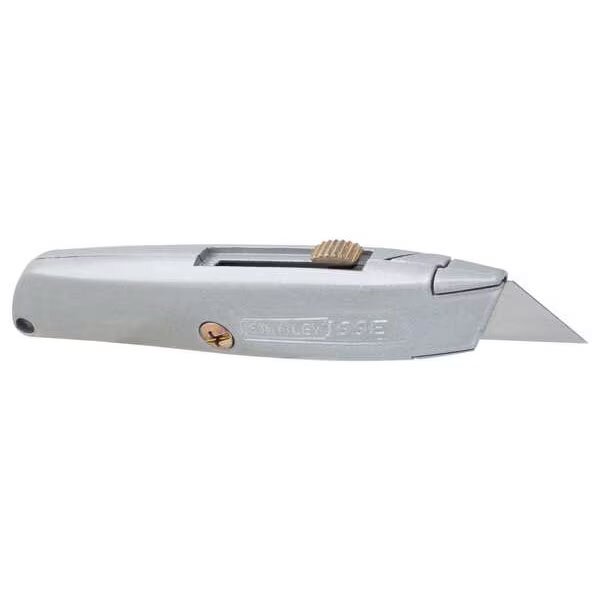 | A retractable utility knife is ideal for handling various tasks safely and efficiently. Its adjustable blade allows you to control the cutting depth, making it a great choice for precision work and general use. | Versatile and reliable, this knife easily cuts everything from drywall to shrink wrap. The retractable blade adds an extra layer of safety, reducing the risk of accidental cuts. |
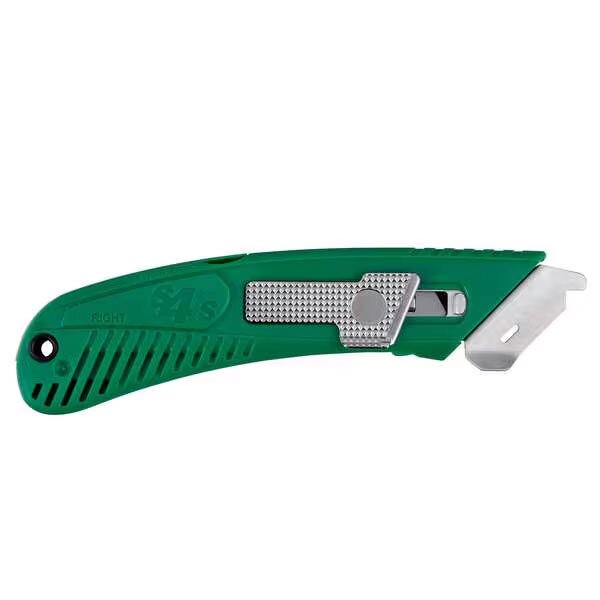 | A fixed-blade utility knife is built for durability and strength. Its secure, no-wobble design is perfect for tough materials and heavy-duty tasks where stability is key. | This knife stays locked in place for demanding cutting jobs. With no moving parts, it delivers strength and reliability, making it a go-to tool for tough materials. |
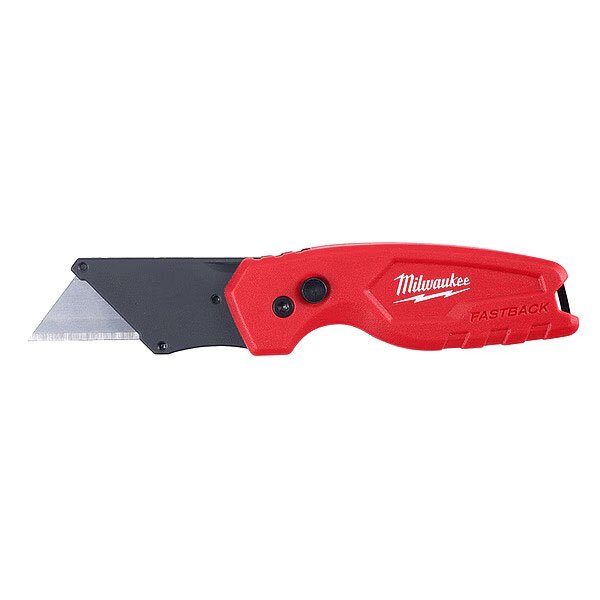 | A folding utility knife combines convenience with performance. Its compact, pocket-friendly design makes it easy to carry, while the quick-change blade feature ensures you're always ready for the next cut. | Lightweight and portable, this knife is perfect for professionals on the move. The folding design offers easy storage, while the tool-free blade change keeps you working efficiently. |
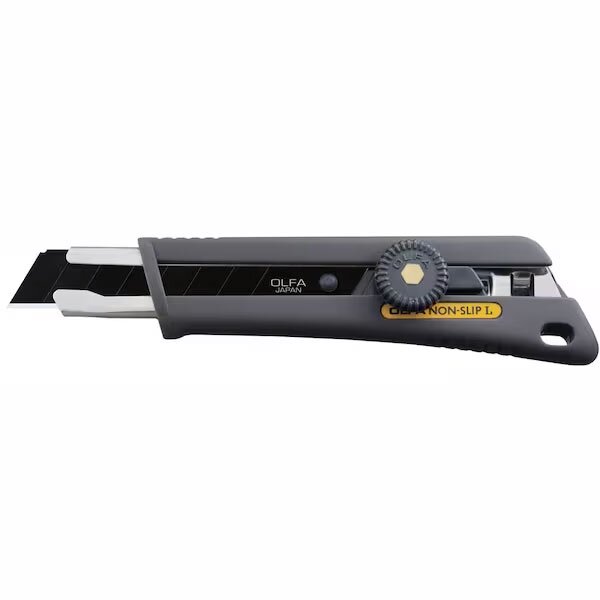 | A snap-off blade knife is designed for precision and efficiency. When the blade dulls, simply snap off a segment for a fresh, sharp edge—ideal for projects requiring continuous sharpness. | This knife ensures you’re always working with a sharp edge. Its segmented blade makes it easy to maintain accuracy without interruptions, keeping your workflow smooth. |
Types of Utility Blades | ||
| Blade Type | Recommended For | Why It Belongs in Your Toolbox |
Standard Utility Blade (Trapezoid) 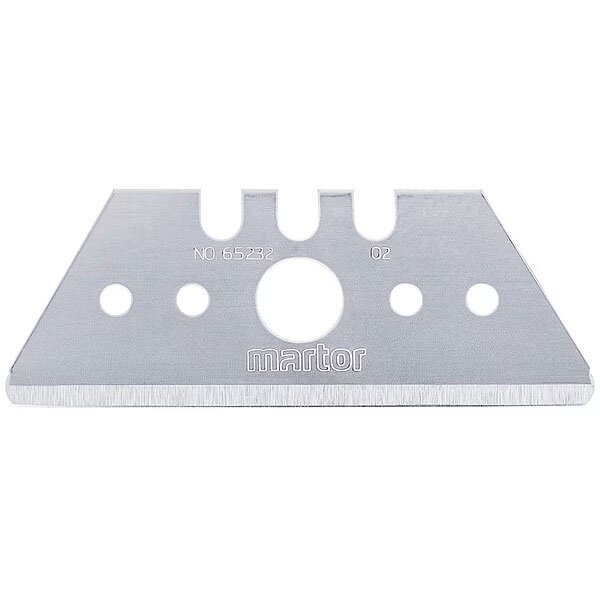 | A standard utility blade is the everyday choice for various cutting tasks. Whether you’re working with cardboard, drywall, or plastic, this blade delivers clean, precise cuts. | Reliable and versatile, this blade is a must-have for professionals. Its sharp edge makes quick work of everyday materials, helping you stay productive. |
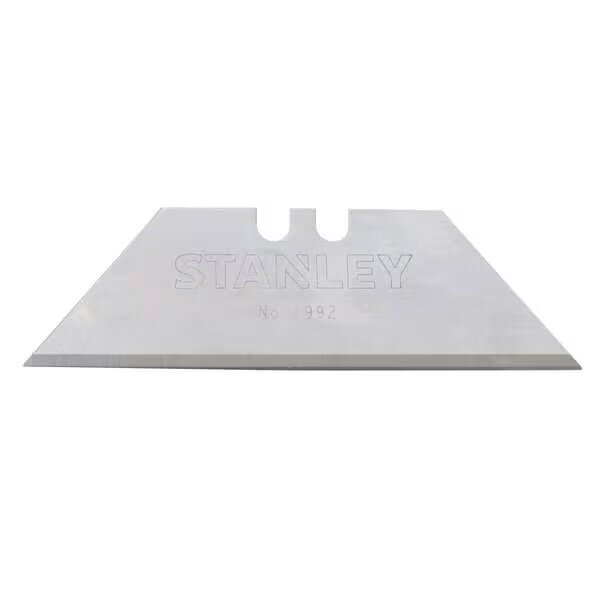 | A heavy-duty utility blade is designed for tougher materials. It provides the strength and durability needed for demanding jobs, from thick carpets to roofing materials. | This blade handles high-pressure cutting with ease. Its reinforced design ensures strength and longevity, even in tough conditions. |
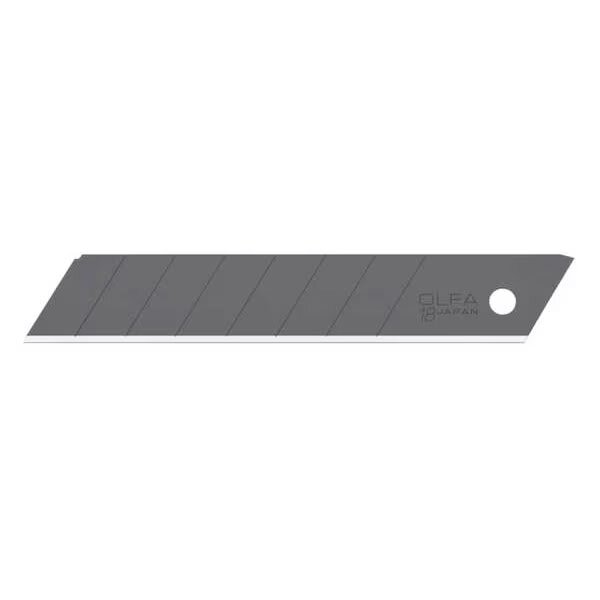 | A snap-off blade is a no-fuss solution for pros who need a fresh, razor-sharp edge—fast. Whether in flooring, drywall, packaging, or general contracting, this blade keeps your cuts clean and precise without the downtime of swapping blades. | This blade keeps your workflow smooth by eliminating the need for constant replacements. Each snap-off segment provides a fresh, sharp edge in seconds. |
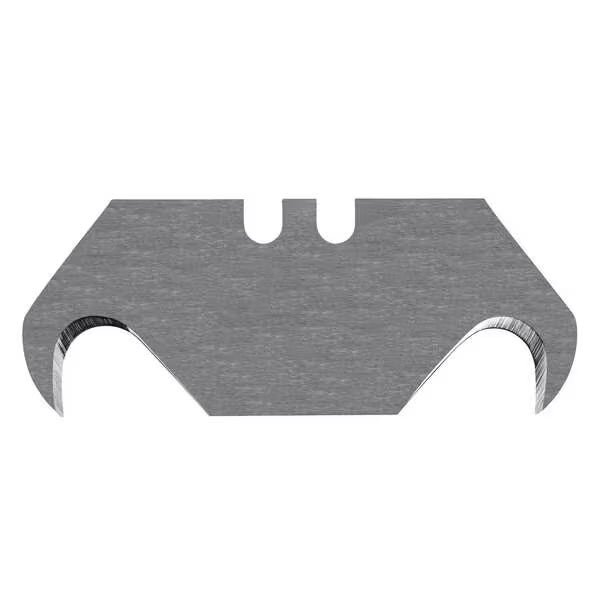 | A hook blade is the go-to for controlled, damage-free cutting, making it a must-have for roofers, flooring installers, electricians, and general contractors. Its curved design lets you cut through tough materials without slicing too deep, so you get clean cuts without ruining what’s underneath. | Precision and control make this blade a standout choice. The hooked tip allows for clean, damage-free cuts, making it an essential tool for specialized applications. |
Utility Knives vs. Box Cutters
Not all cutting tools are created equal. That’s why there are utility knives and box cutters—but which is best suited for your task? We've made a quick comparison to help you make the right choice. Explore the chart below to find the tool that fits your needs.
Utility Knives 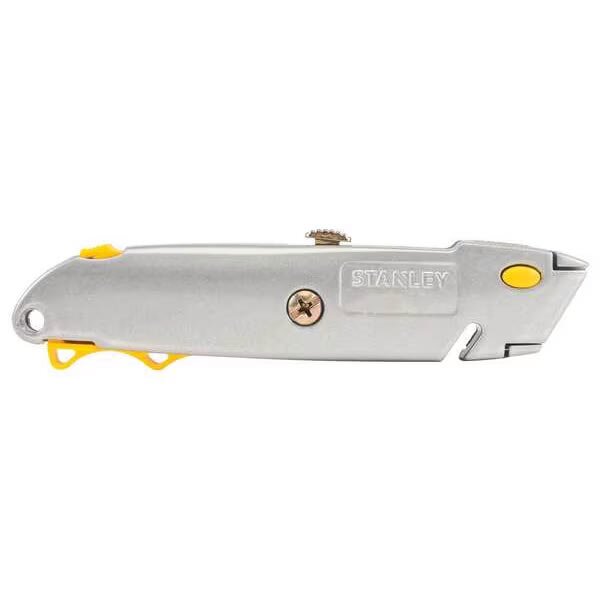 | Box Cutters 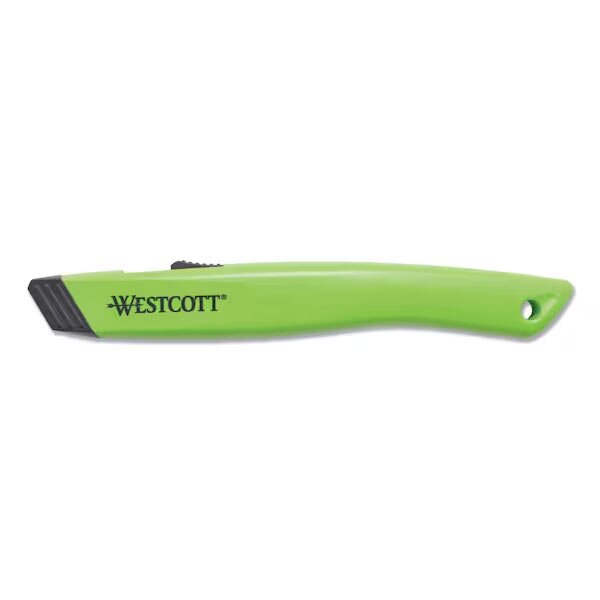 | |
| Purpose | Versatile, used for cutting various materials | Primarily for cutting cardboard, tape, and packaging |
| Blade Type | Thicker, stronger blades (fixed, retractable, or replaceable) | Thin, retractable, or snap-off blades |
| Durability | Built for tougher materials and heavy use | Lightweight, less heavy-duty |
| Recommended For | Cutting drywall, carpet, rope, plastic, and other demanding materials | Opening boxes, breaking down cardboard, light cutting tasks |
Safety Tips
Utility knives are a must-have tool, but using them safely is just as important as their cutting power. Follow these essential safety tips to stay productive while reducing the risk of injury.
- Retract or cover the blade when not in use. Properly storing your knife minimizes the risk of accidental cuts and keeps your workspace safe.
- Choose the right blade for the job. Specialty blades are designed for specific tasks, improving precision and safety—select the best fit for your material.
- Wear the proper protective gear. Cut-resistant gloves and safety glasses provide extra protection, keeping your hands and eyes safe while you work.
By following these simple precautions, you can get the job done efficiently while prioritizing safety.
The right tool can make every cut cleaner, safer, and more efficient. Whether you're slicing through tough materials or making precision cuts, Zoro has the utility knife to match your needs. Explore our full selection and find the perfect fit for your next project—so you can work confidently and get the job done right.
Product Compliance and Suitability
The statements contained in this guide are intended for general informational purposes only. Such statements do not constitute a product recommendation or representation as to the appropriateness, accuracy, completeness, correctness, or currentness of the information provided. Information provided in this guide does not replace the use by you of any manufacturer instructions, technical product manual, or other professional resource or adviser available to you. Always read, understand, and follow all manufacturer instructions. Portions of this article were generated in part by ChatGPT, and edited by a member of the Zoro team.
