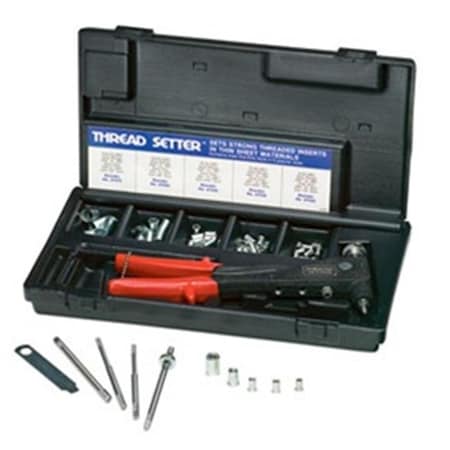
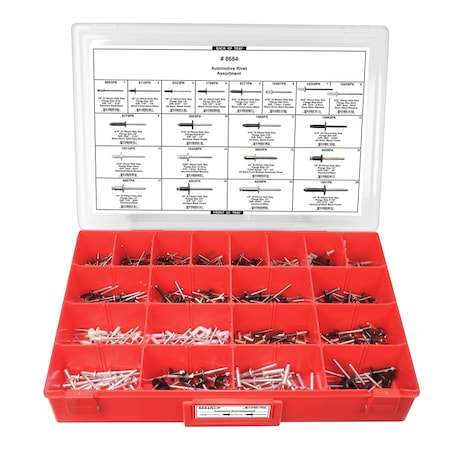
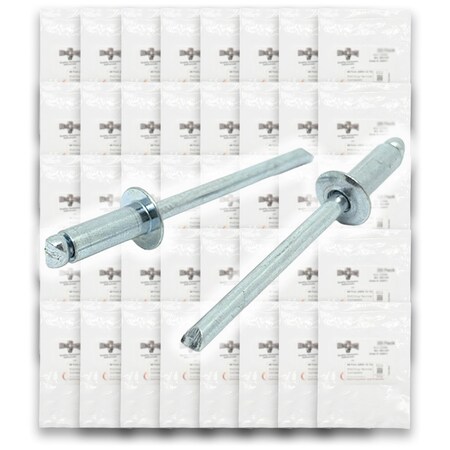
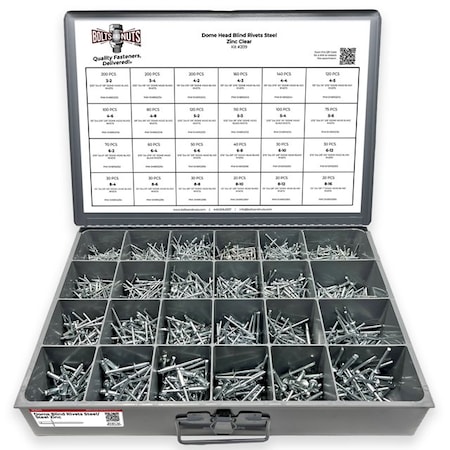
Rivet assortments typically include a variety of rivet types, such as solid rivets, blind rivets, pop rivets, and tubular rivets. Specific assortments may focus on a particular type or offer a wider range. They often include various sizes, lengths, and materials like aluminum, steel, and stainless steel.
Choosing the correct rivet size is essential. Consider the thickness of the materials you're joining. The rivet's diameter should generally match or slightly exceed the thickness of the combined materials. The length should be sufficient to accommodate the thickness plus an additional allowance for proper head formation.
Rivet assortments usually include rivets made from different materials, such as aluminum, steel, stainless steel, and copper. Each material possesses unique properties, including strength, corrosion resistance, and weight. Aluminum rivets are lightweight and corrosion-resistant, while steel rivets offer greater strength. Stainless steel combines strength and corrosion resistance.
Proper storage is crucial for preserving the quality of rivet assortments. Store them in a dry, controlled environment to prevent moisture and corrosion. Keep them organized in their designated containers or compartments to avoid mixing different types and sizes. Ensure the storage area is secure to prevent spills or damage.