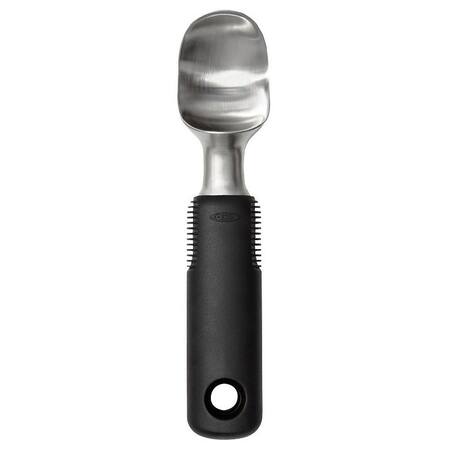
Whether you work in hospitality, stock a breakroom or host company functions with food service, you can never have enough serving utensils, flatware, plates, cups and napkins on hand. In fact, tongs, salad serving sets and cake and pie servers are some of the most well-used items in the kitchen/pantry. If your workplace uses these items frequently, it may be worth investing in stainless steel sets for all these items; if not, then plastic utensils will do just as well, and ensure minimal cleanup later.
Frequently Asked Questions
While serving utensils are primarily designed for serving food, some can also be used for basic food preparation tasks such as spreading condiments, mixing ingredients, or portioning food. However, their primary function remains the elegant and efficient presentation of dishes.
Serving utensils are typically crafted from materials that prioritize hygiene, durability, and aesthetics. Common materials include stainless steel, renowned for its corrosion resistance and ease of cleaning. Plastic serving utensils offer vibrant colors and lightweight construction, while wooden utensils impart a rustic charm and are gentle on delicate surfaces.
Proper storage is crucial for preserving the longevity and effectiveness of serving utensils. To ensure optimal hygiene and prevent damage, store them in designated drawers or compartments within enclosed cabinets. Avoid stacking them haphazardly, as this can cause scratches or bending. Regularly cleaning and drying serving utensils before storage further enhances their lifespan.
When selecting serving utensils, consider the type of food being served, the occasion's formality level, and the desired aesthetic appeal. Opt for utensils with ergonomic handles that provide a comfortable grip and ample length to reach across tables or buffet lines. For formal settings, polished metal utensils exude elegance, while wooden or plastic utensils add a touch of warmth and informality.