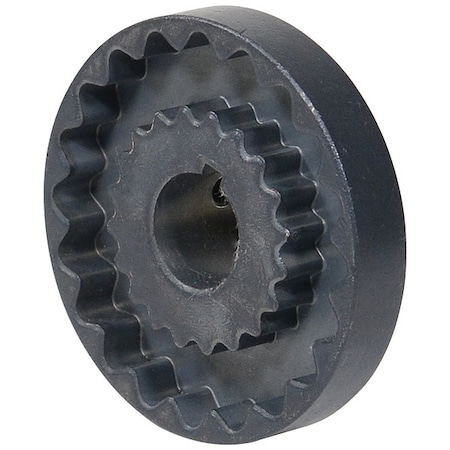
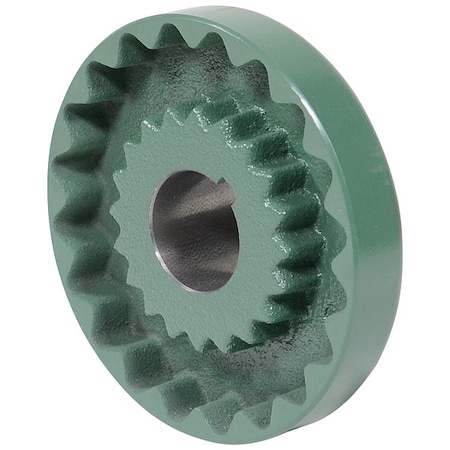
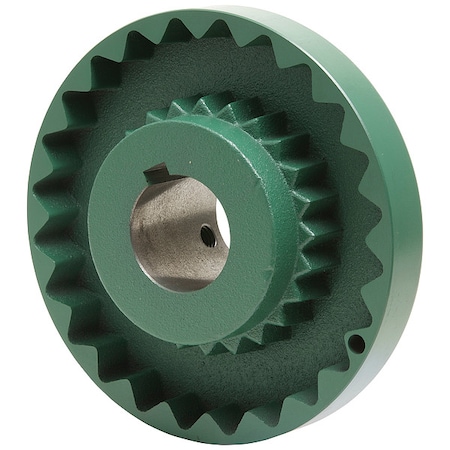
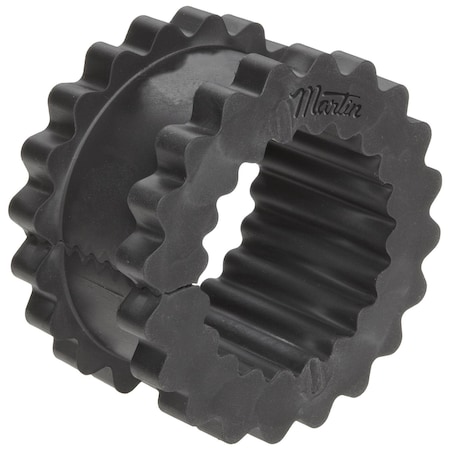
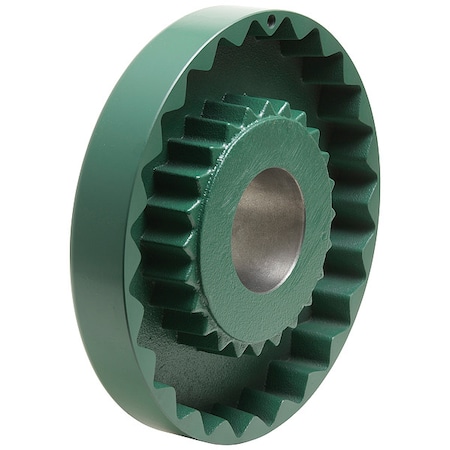
A shaft coupling enables the transfer of power between two shafts by connecting them at their ends. They are typically used in motors, pumps, compressors, blowers, mixers, conveyors and other applications. They can take the form of a flexible shaft coupling or a rigid coupling. From there, variations include a sleeve coupling, taper lock coupling, coupling spacer hub, and more. Items vary by material of construction, bore diameter, hub diameter, maximum angular misalignment (as a percentage), and other considerations. For more couplers, collars and adapters, see our shaft collars, jaw-type couplings, and coupling inserts.
Frequently Asked Questions
Shaft couplings come in a variety of types, such as rigid, flexible, and misalignment-accommodating. Each type has its strengths and applications, depending on the specific requirements.
Choosing the right shaft coupling requires considering factors like the shaft diameter, torque rating, misalignment tolerance, and operating environment. Technical specifications and expert guidance can assist you in making an informed decision.
Shaft couplings offer numerous advantages, including vibration damping, noise reduction, misalignment accommodation, and ease of installation. They also enhance system lifespan and reliability.
Yes, shaft couplings are typically designed for straightforward installation and maintenance. However, it's recommended to consult the manufacturer's instructions and follow industry best practices for optimal performance and safety.