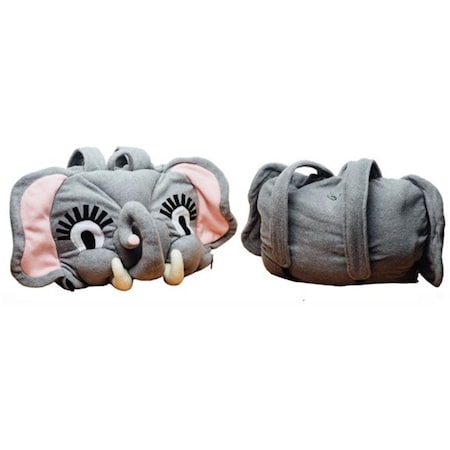
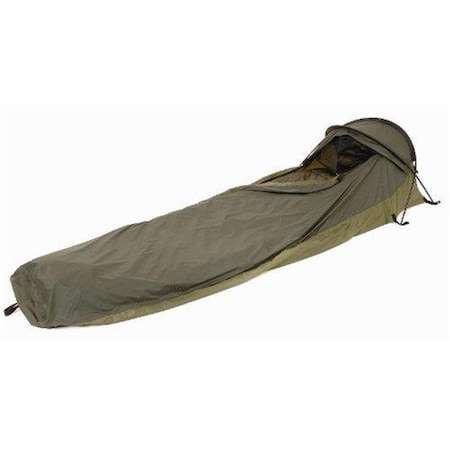
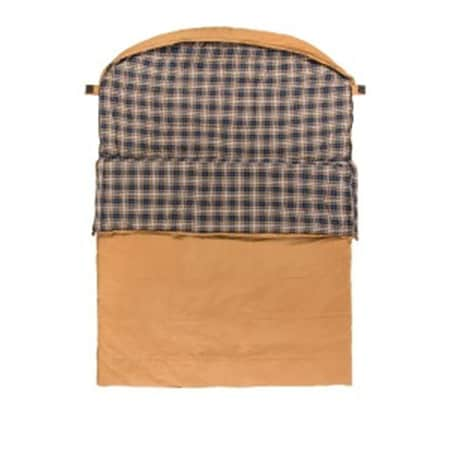
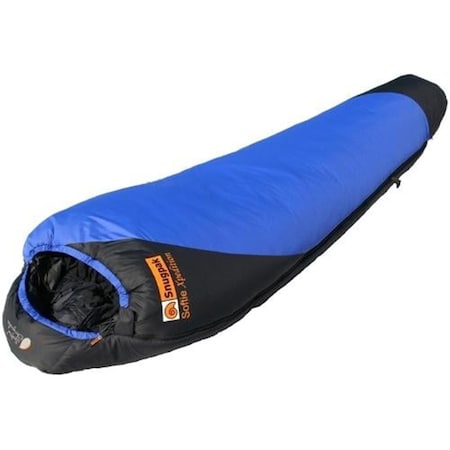
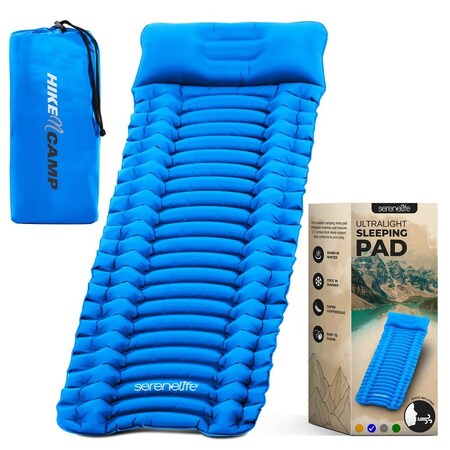
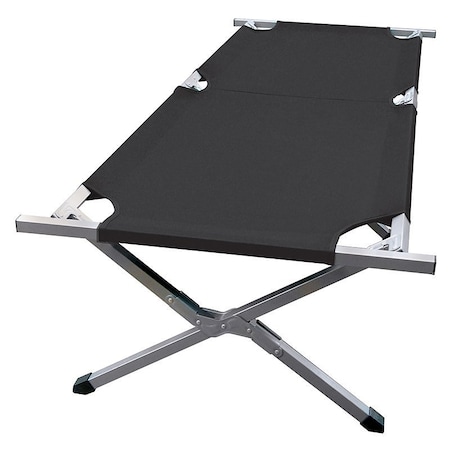
A camping gear staple, sleeping bags should be on every camping supplies list. Our sleep sacks vary by length, width, weight and temperature rating (recommended for use in specific cold temperatures). Some who purchase sleeping bags also buy self-inflating pads, especially for sleeping on harder surfaces. And while you're checking off your supply list, do you have tents & cots.
Frequently Asked Questions
Mummy bags are designed to fit snugly around the body, while rectangular bags offer more room to move around. Mummy bags are more efficient at retaining heat, but rectangular bags are easier to get in and out of.
The best temperature rating for a sleeping bag depends on the climate you will be using it in. For mild climates, a bag with a rating of 30-40 degrees Fahrenheit is sufficient. For colder climates, a bag with a rating of 10-20 degrees Fahrenheit is recommended.
Cots are elevated off the ground, while sleeping pads are placed directly on the ground. Cots provide more comfort and support, but they are also bulkier and heavier. Sleeping pads are more compact and lightweight, but they offer less support.
There are three main types of sleeping bag insulation: down, synthetic, and hybrid. Down insulation is the warmest and most compressible, but it is also the most expensive. Synthetic insulation is less warm and compressible than down, but it is also less expensive and more durable. Hybrid insulation combines down and synthetic insulation to provide a good balance of warmth, compressibility, and durability.