
Stationary Electric Air Compressors (901 items) - Page 26
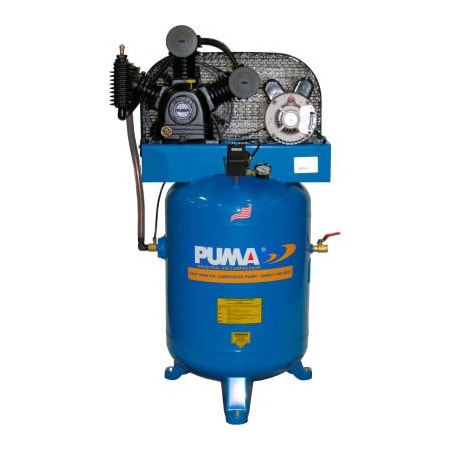
About Stationary Electric Air Compressors
Our range of stationary electric air compressors is designed to meet the needs of professional workshops and industrial settings. When selecting the right compressor, it's important to consider key attributes such as tank size, voltage, phase, and tank type. Tank sizes range from 20 to 100 gallons, with larger tanks better suited for continuous, high-demand applications. Voltage options include 120V for light to medium-duty tasks and 240V for more demanding operations. Single-phase compressors are common in small commercial settings, while three-phase units are ideal for industrial environments requiring high power output.
Tank types are available in horizontal and vertical configurations; horizontal tanks offer stability and ease of movement, while vertical tanks save floor space. ASME-certified tanks ensure compliance with stringent safety standards. Additional factors to consider include CFM (Cubic Feet per Minute) for air flow rate, PSI (Pounds per Square Inch) for maximum pressure, and whether the compressor is oil-lubricated or oil-free. Electric compressors are efficient, quieter, and environmentally friendly, making them suitable for indoor use. Explore our collection to find the ideal stationary electric air compressor tailored to your specific needs.
Frequently Asked Questions
Consider the CFM (cubic feet per minute) and PSI (pounds per square inch) ratings required for your intended applications. Evaluate tank size, noise levels, mobility features, and energy efficiency to optimize performance for your specific requirements.
Stationary electric air compressors provide consistent, reliable power without the need for fuel. They offer quiet operation, making them suitable for indoor use. Their fixed installation allows for easy access to compressed air and reduces maintenance requirements compared to portable models.
Regular maintenance is crucial for optimal performance. Check air filters, oil levels, and connections routinely. Drain moisture from the tank, especially in humid environments. Follow manufacturer's guidelines for lubrication and servicing schedules to ensure longevity and prevent costly repairs.
Always wear appropriate safety gear, including eye protection and hearing protection. Ensure the air compressor is properly grounded and has adequate ventilation. Never exceed the maximum pressure rating of the tools or accessories being used. Use high-quality hoses and fittings to prevent leaks and accidents. Stay alert and follow all safety protocols to minimize potential hazards.
Related Categories
