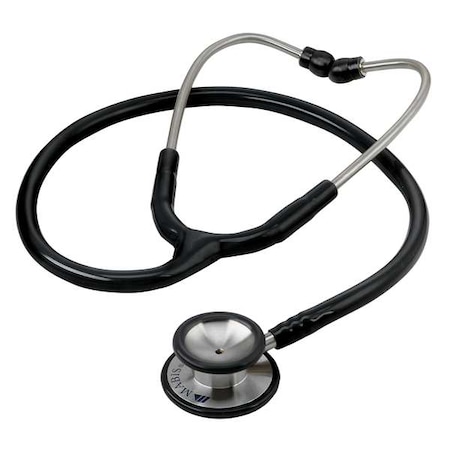
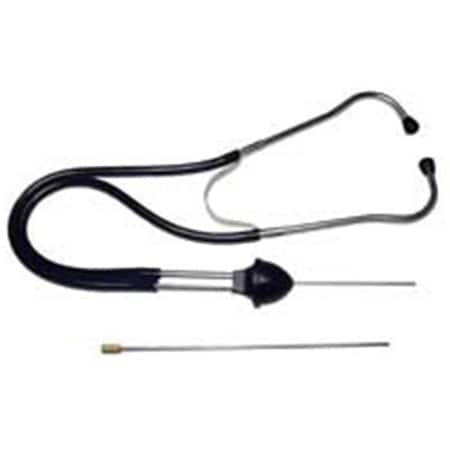
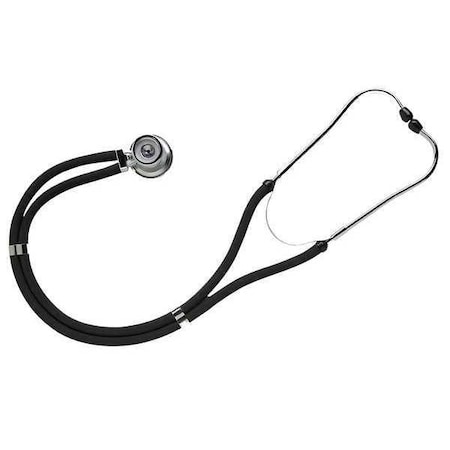
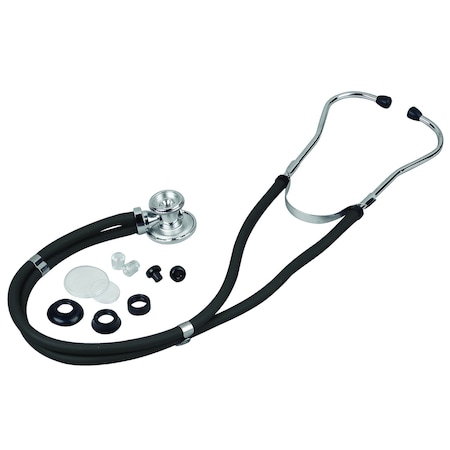
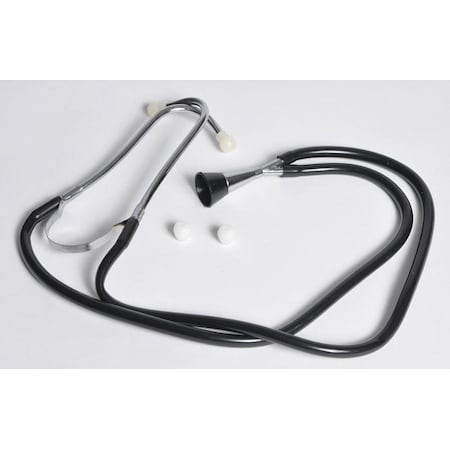
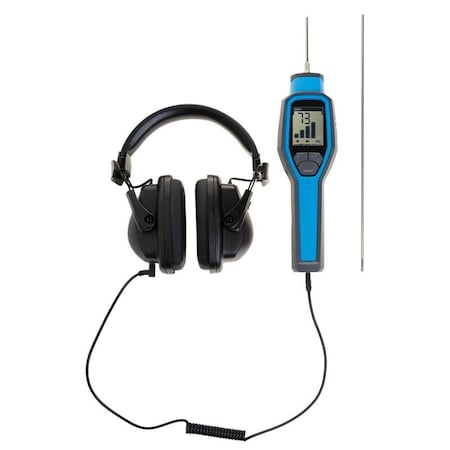
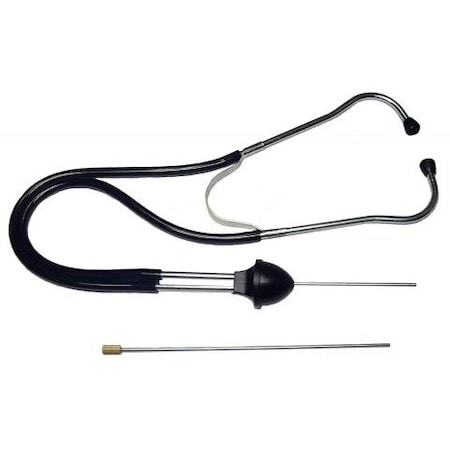
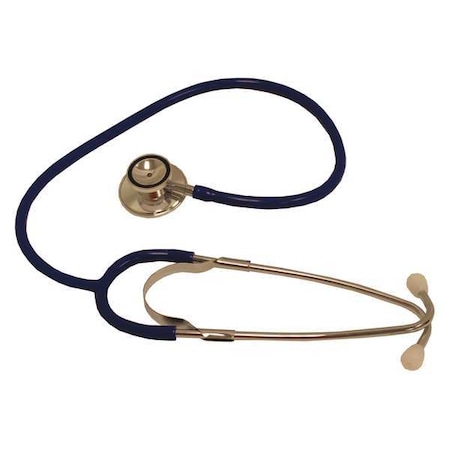
Choose a stethoscope with chest piece(s) that provide clear acoustics and match your preferred listening styles. Consider tubing length and material for comfort and durability. Think about the need for additional features, like noise cancellation or ergonomic handles.
Properly position the stethoscope on the patient's body and adjust the chest piece for the best acoustics. Choose a quiet environment and eliminate external noises. Use good listening techniques, including varying pressure and angling the chest piece.
Bell chest pieces provide a low-frequency response for bell sounds. Diaphragm chest pieces offer higher-frequency responses for a wider range of sounds. Tunable chest pieces combine both bell and diaphragm functions in one.
Clean the earpieces and tubing regularly with alcohol or antibacterial wipes. Protect the stethoscope from extreme temperatures and moisture. Store it in a case or pouch when not in use.