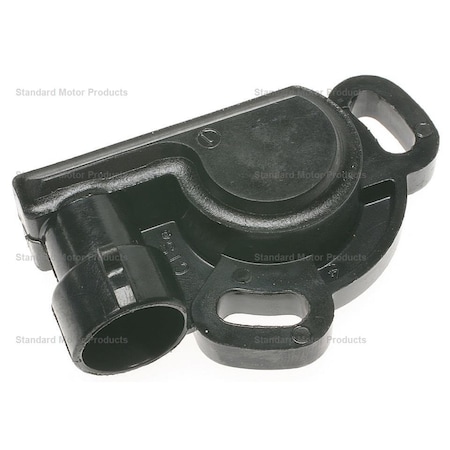
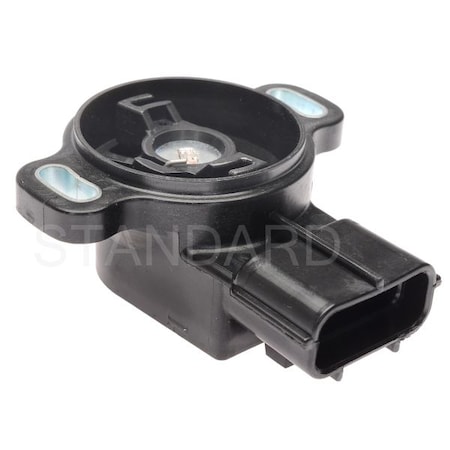
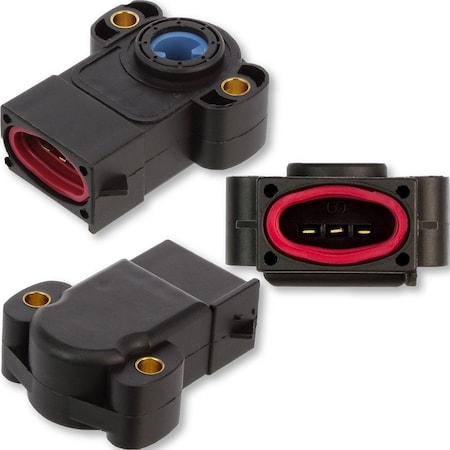
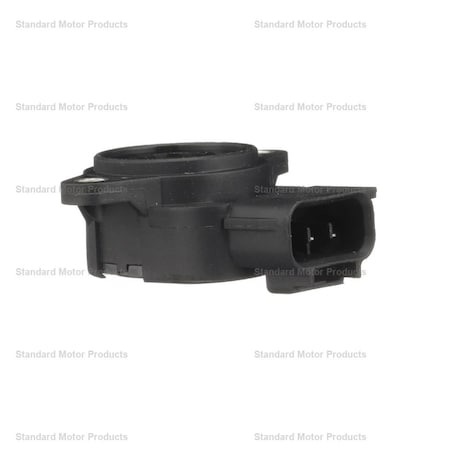
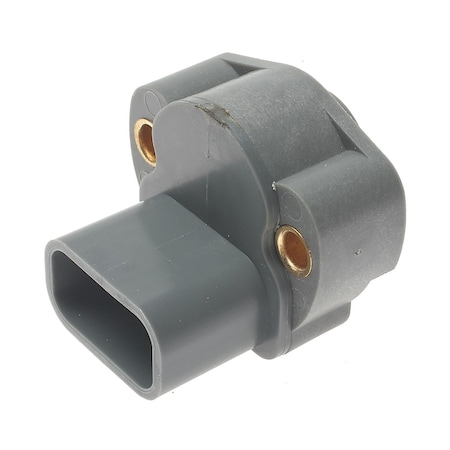
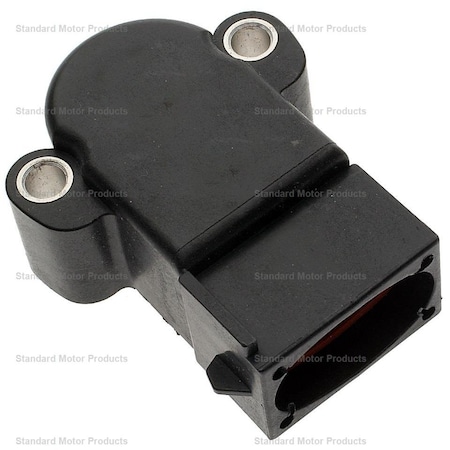
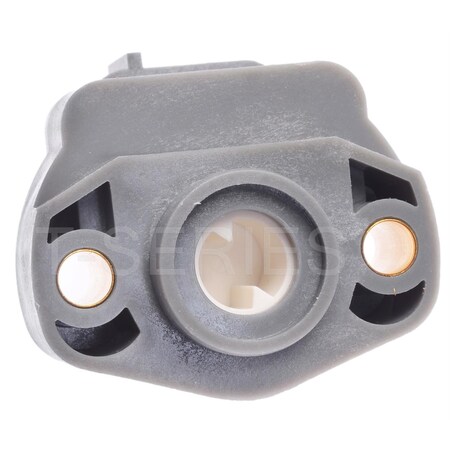
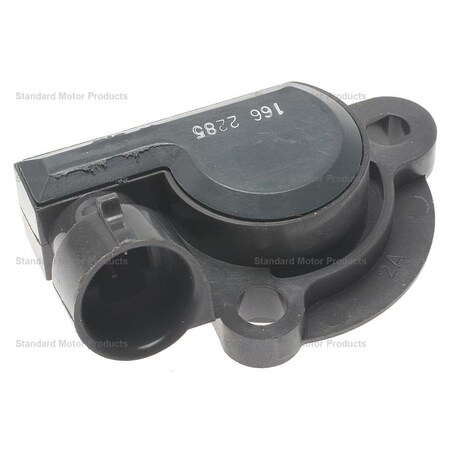
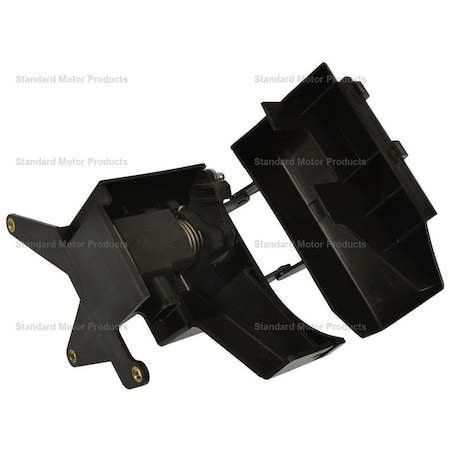
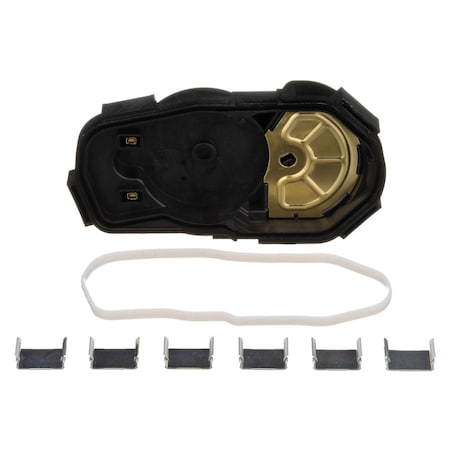
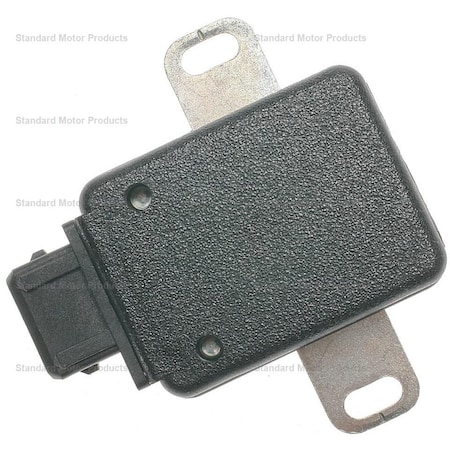
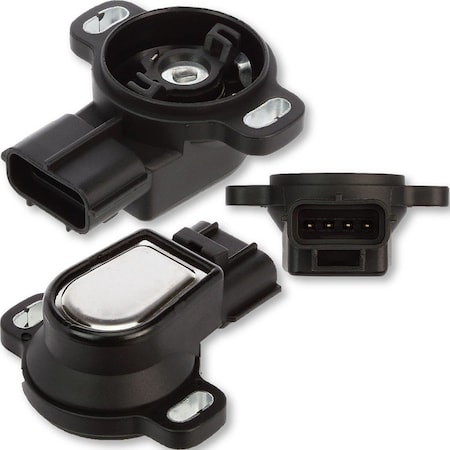
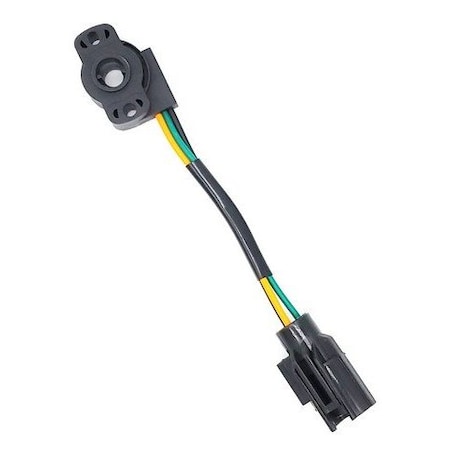
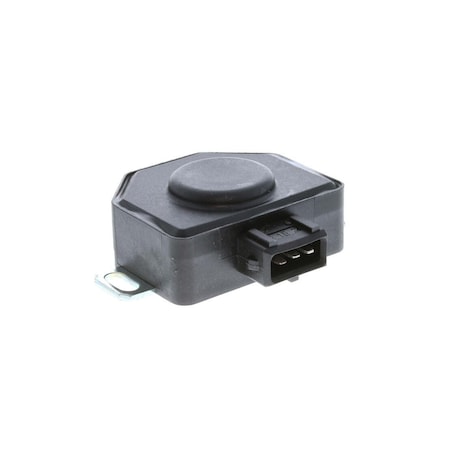
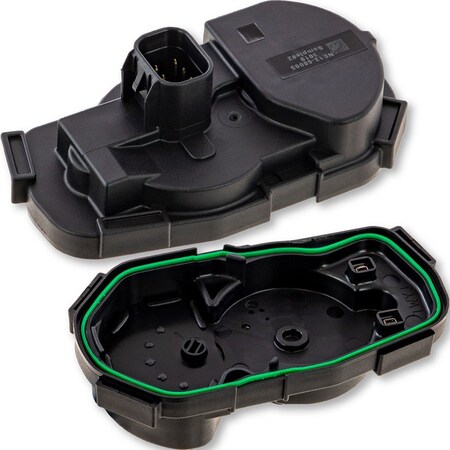
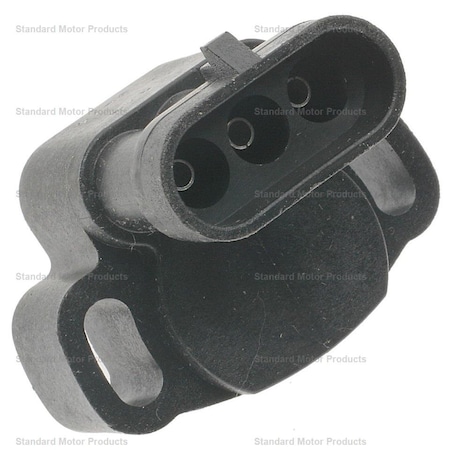
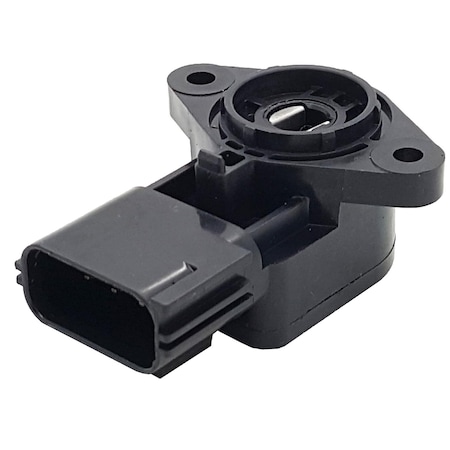
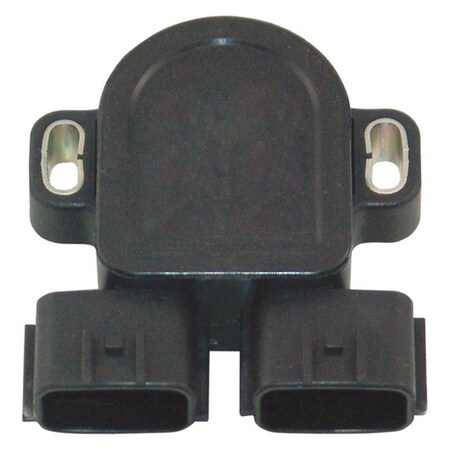
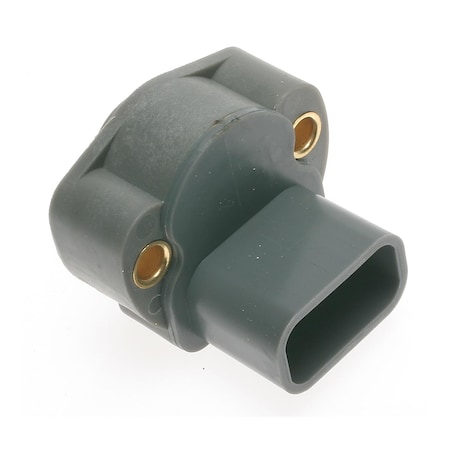
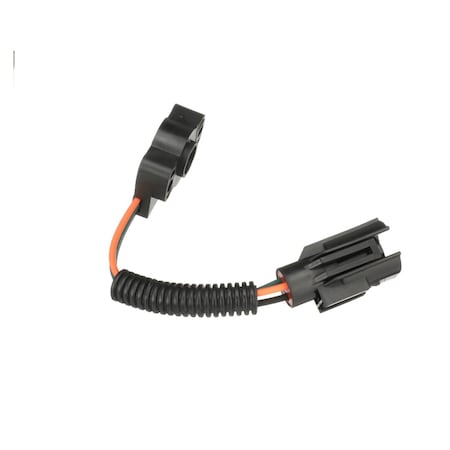
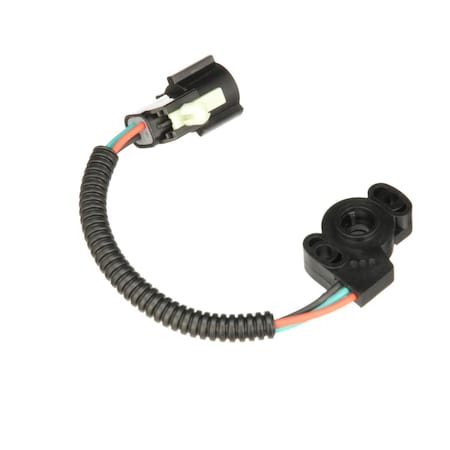
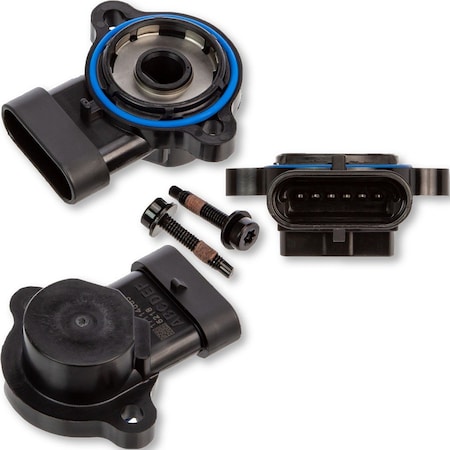
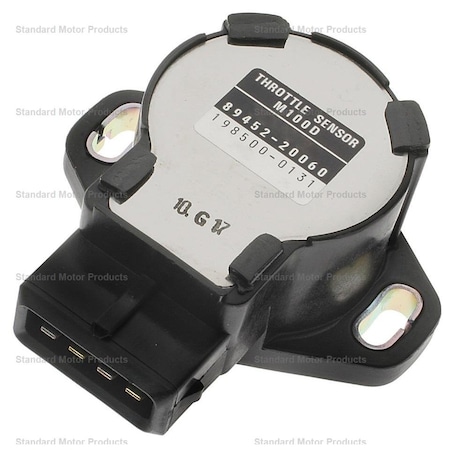
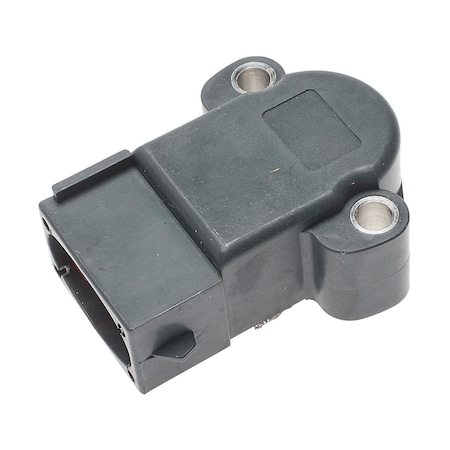
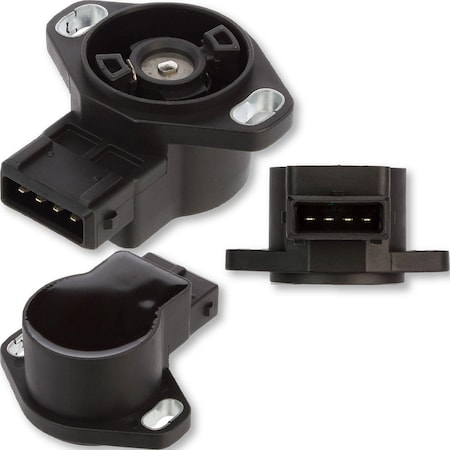
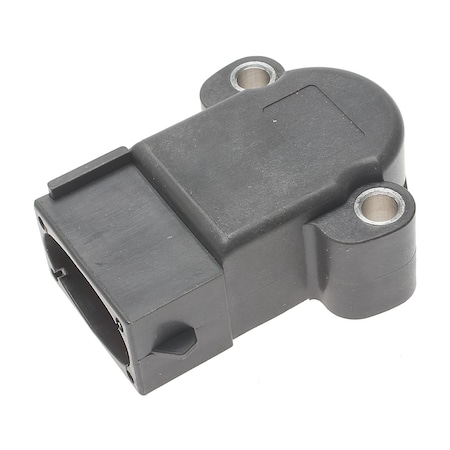
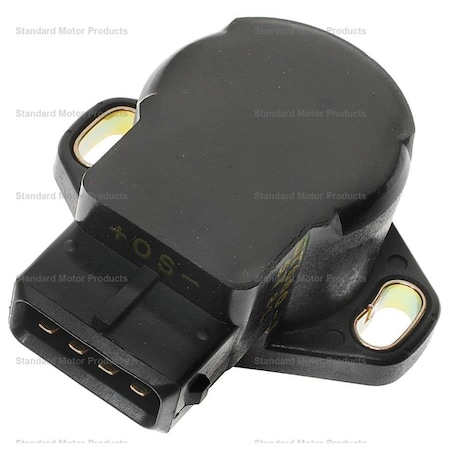
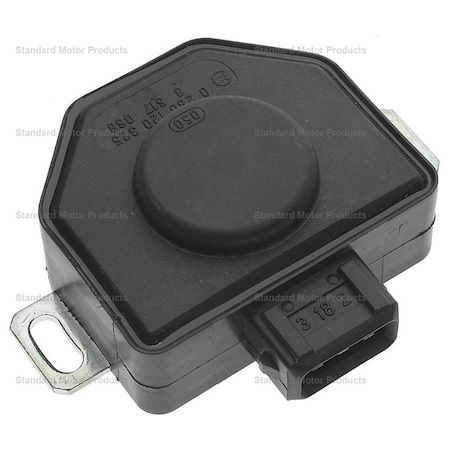
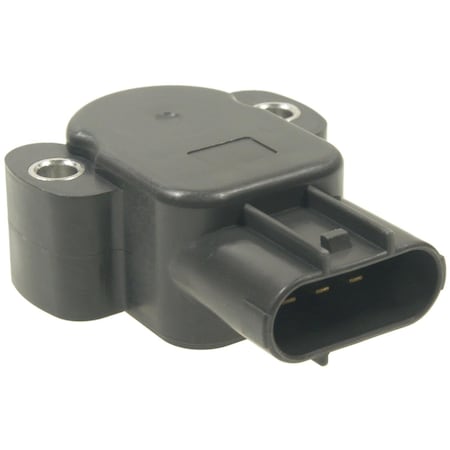
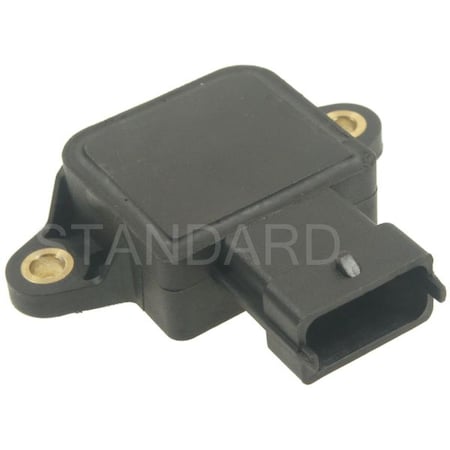
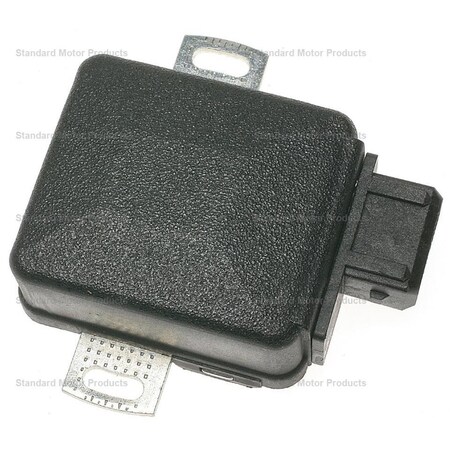
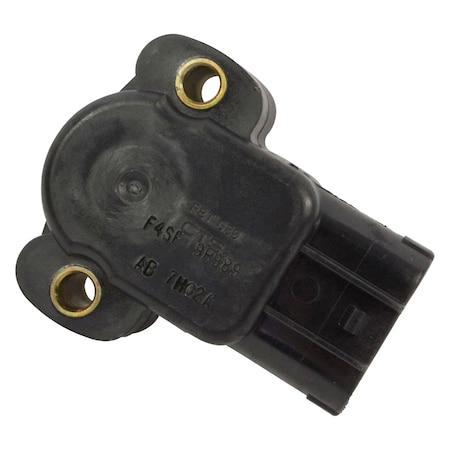
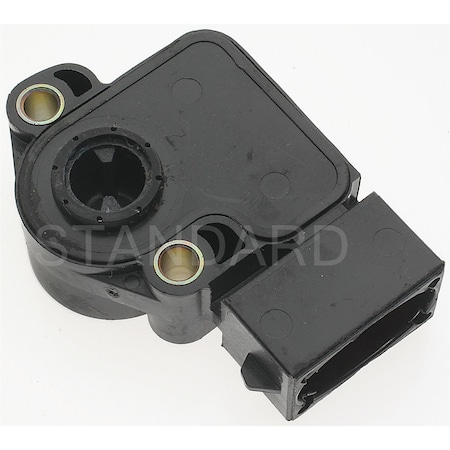
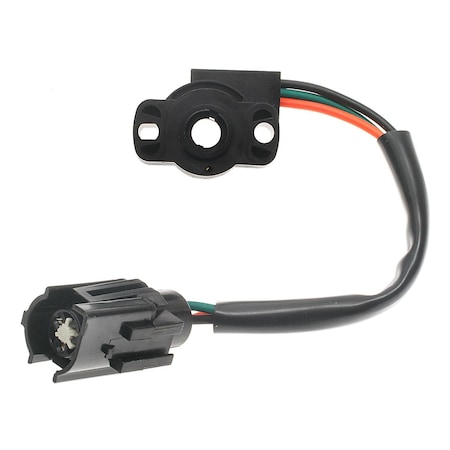
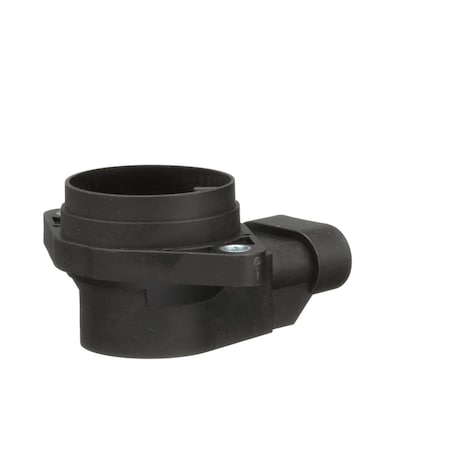
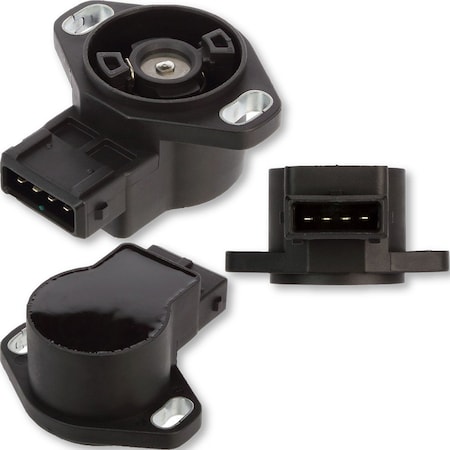
A throttle sensor is a device used to measure the position of the throttle valve in an engine. It is typically mounted on the side of the carburetor or throttle body and is connected to the throttle linkage. When the throttle is opened, the throttle sensor sends a signal to the engine's electronic control unit (ECU) indicating the position of the throttle valve. The ECU then uses this information to adjust the fuel injection and ignition timing accordingly.
The throttle sensor plays a crucial role in regulating the air-fuel mixture and timing of the ignition system in an engine. By accurately measuring the throttle valve position, it provides the ECU with essential information to calculate the optimal fuel delivery and ignition timing based on the engine's operating conditions. This precise control helps improve engine performance, efficiency, and emissions.
A faulty throttle sensor can manifest itself in several ways, including: rough idling, hesitation or stalling upon acceleration, poor fuel economy, and difficulty starting the engine. If you experience any of these symptoms, it's important to have your throttle sensor checked by a qualified technician. Replacing a faulty throttle sensor can restore optimal engine performance and prevent further issues.
There are two main types of throttle sensors: potentiometric and non-contact. Potentiometric throttle sensors use a sliding contact to measure the throttle valve position, while non-contact throttle sensors use a variety of technologies, such as Hall effect or optical sensors, to determine the throttle position. Both types of sensors provide accurate measurements and are commonly used in a wide range of vehicles.