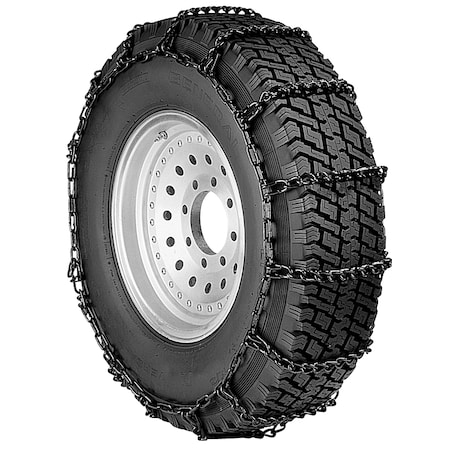
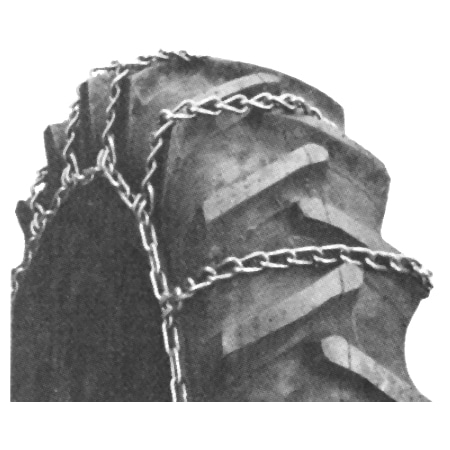
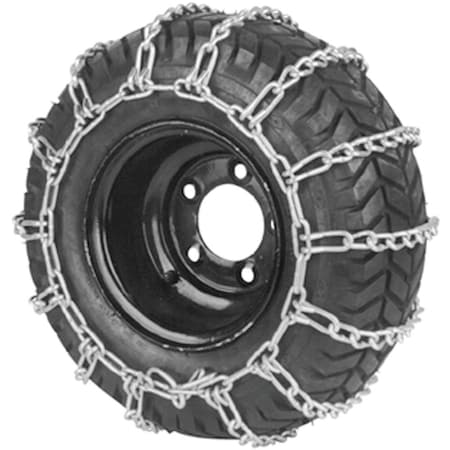
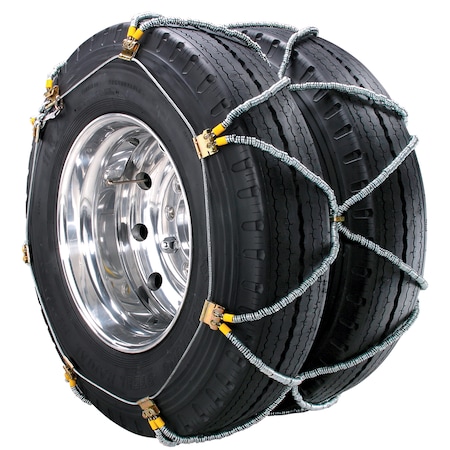
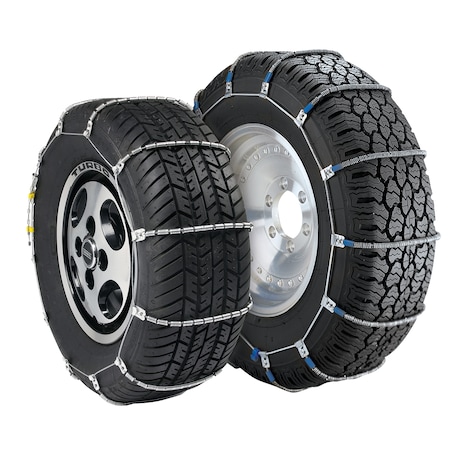
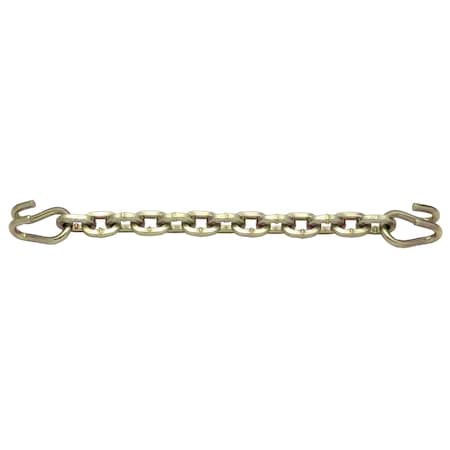
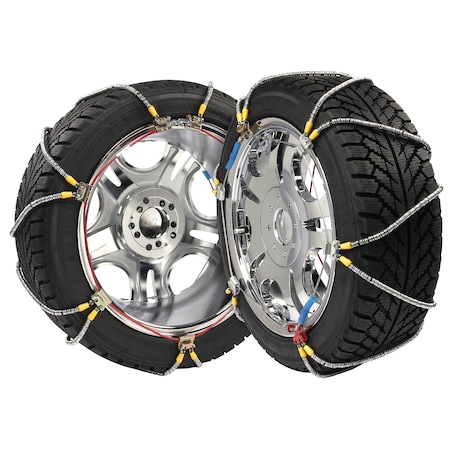
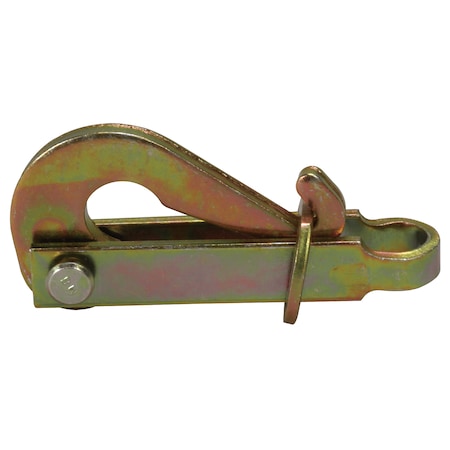
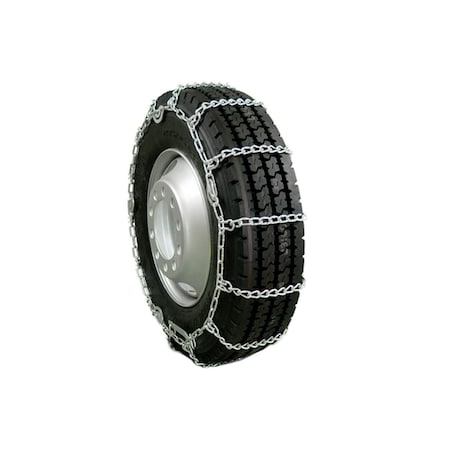
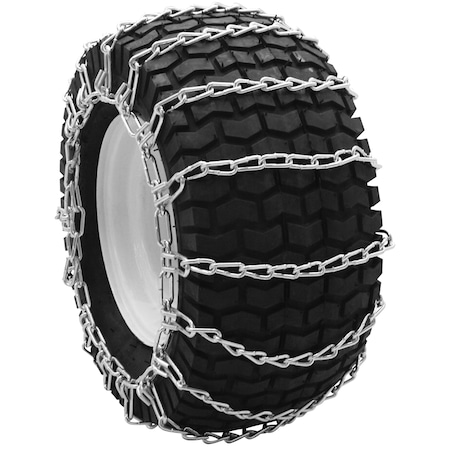
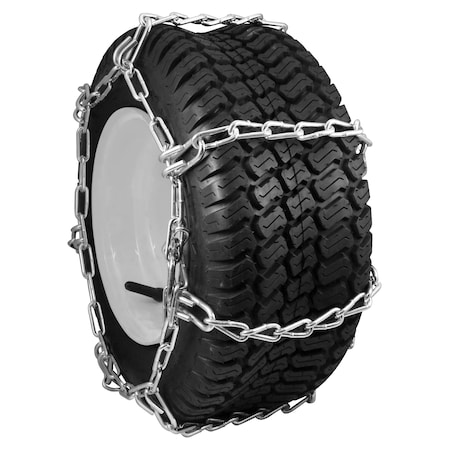
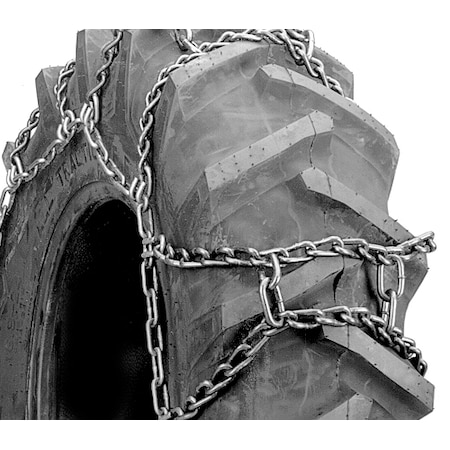
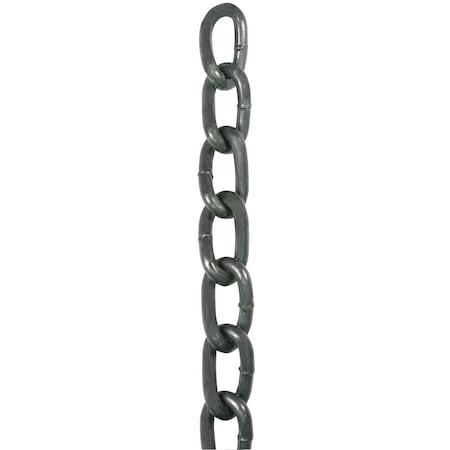
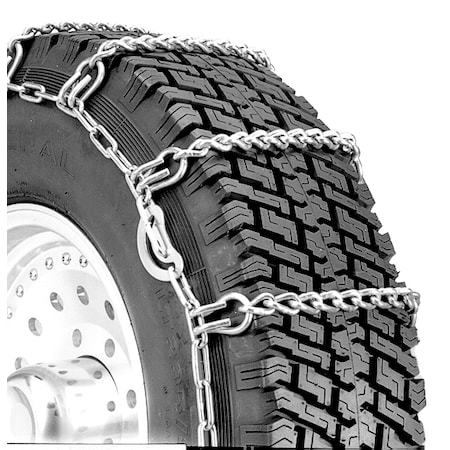
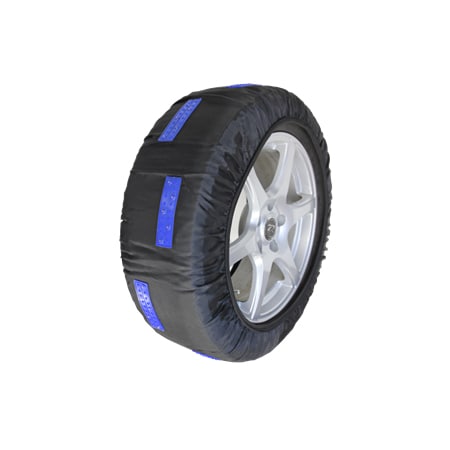
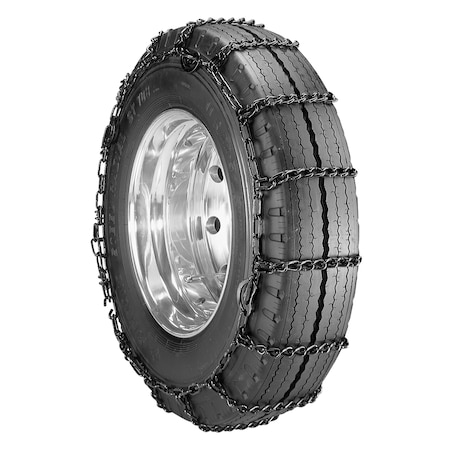
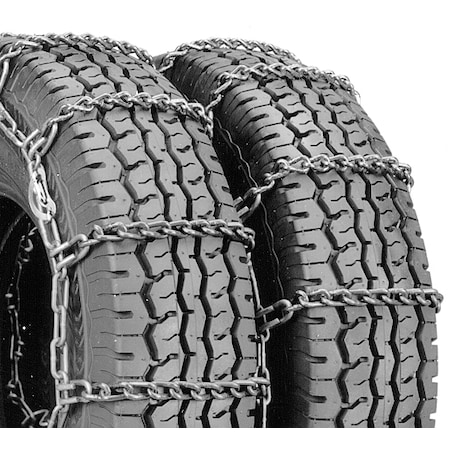
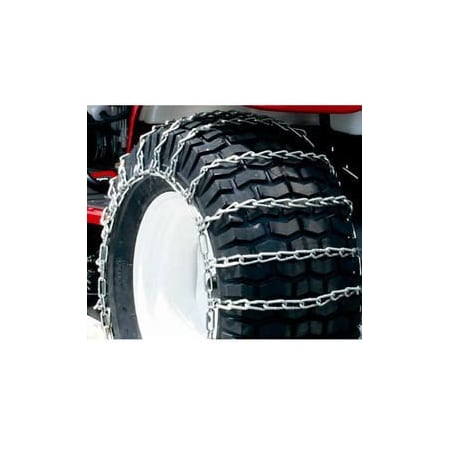
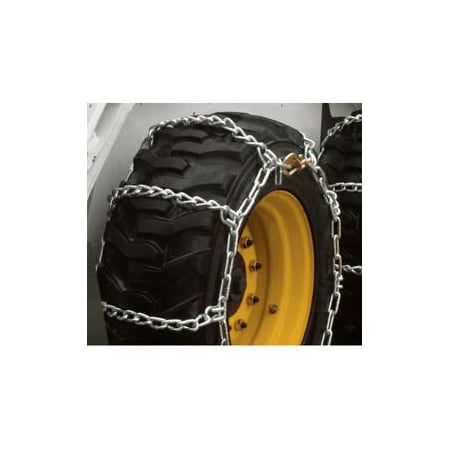
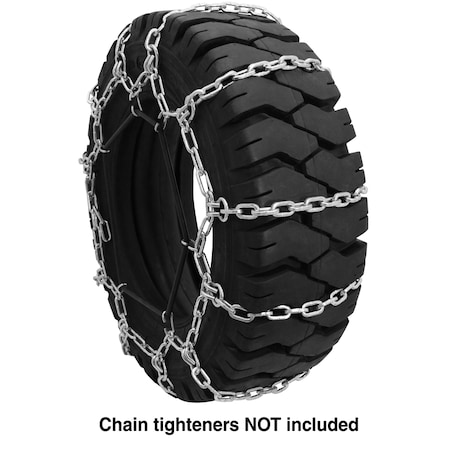
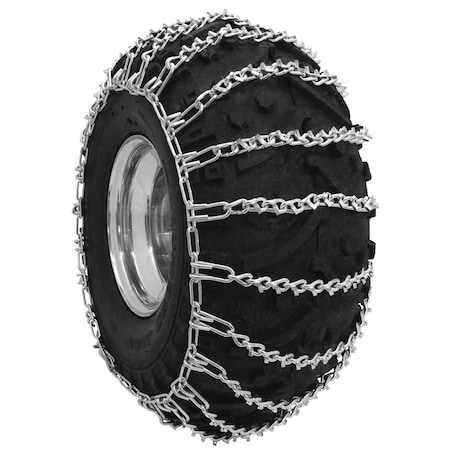
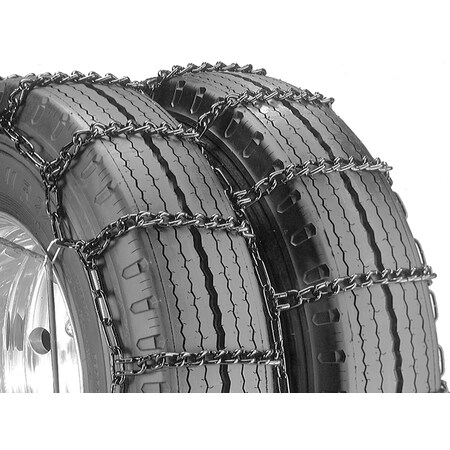
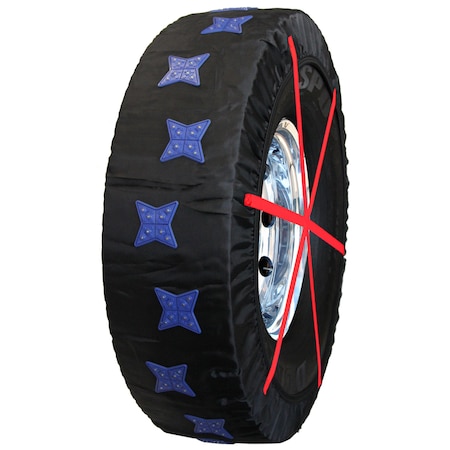
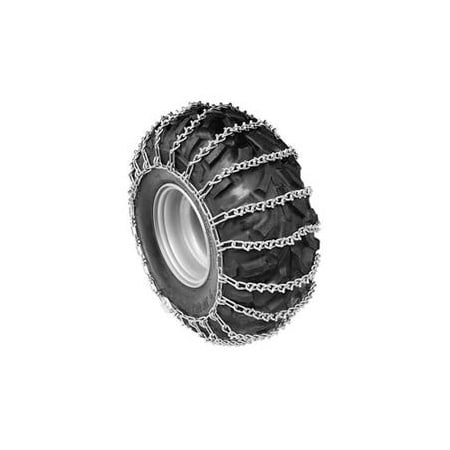
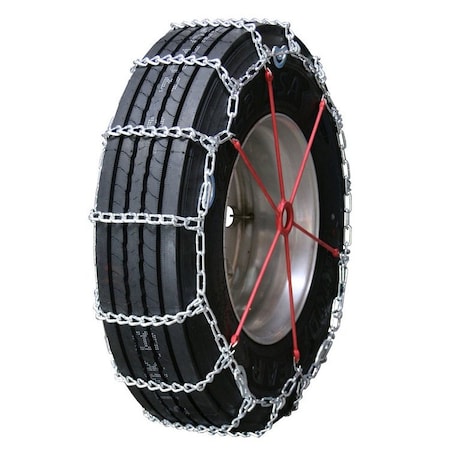
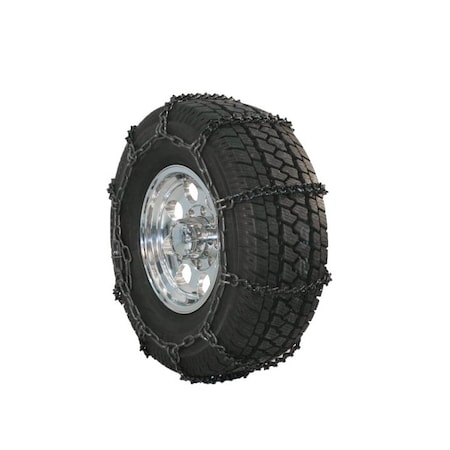
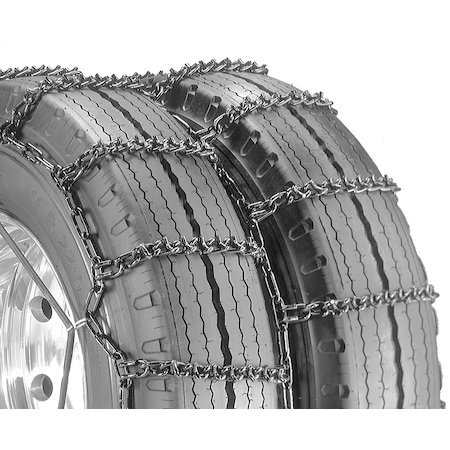
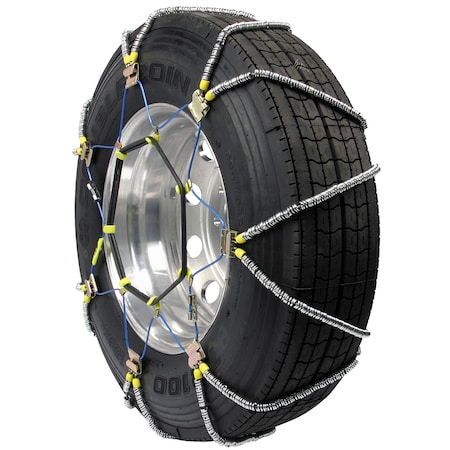
Tire Chains are essential driving accessories, especially in challenging winter conditions. They enhance vehicle stability and traction, reducing the risk of skidding on icy surfaces. Available in a broad range of sizes and designs, they cater to diverse types of vehicles and tires. These chains are constructed from durable metal alloys for enhanced strength, with some brands using specialized alloys like Peerflex for superior low-temperature flexibility and traction. Tire chains find extensive use across various industries including trucking, delivery services, emergency response teams as well as farming where additional traction is required for heavy-duty tasks on slippery terrains.
Frequently Asked Questions
Tire chains are specifically designed to enhance the traction of motor vehicles on icy or snowy road conditions. They are typically fitted over the tires of automobiles, trucks, buses, and other wheeled vehicles to improve stability and prevent slippage or sliding.
Tire chains function by creating extra grip on icy or snow-covered surfaces. The chains wrap around the tires, and as the wheels rotate, the chains dig into the ice or snow, providing additional points of contact between the tires and the road. This enhanced friction helps to transfer the vehicle's power to the ground, enabling it to move more effectively on slippery surfaces.
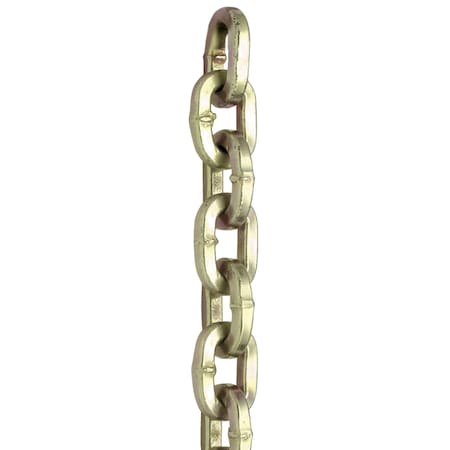
Tire chains are commonly manufactured from various materials, including steel, manganese steel alloy, and composite materials like TPU or rubber. Steel chains offer durability and strength, making them suitable for heavy-duty applications. Manganese steel alloy chains possess excellent wear resistance and flexibility, while composite chains provide a lightweight and corrosion-resistant option.
Selecting the appropriate tire chains involves considering several factors. Firstly, determine the exact tire size for your vehicle. Secondly, identify the type of road conditions you will primarily encounter, as different chain patterns are tailored for varying levels of ice or snow severity. Additionally, select chains with the correct chain link size and spacing to ensure proper fit and performance.