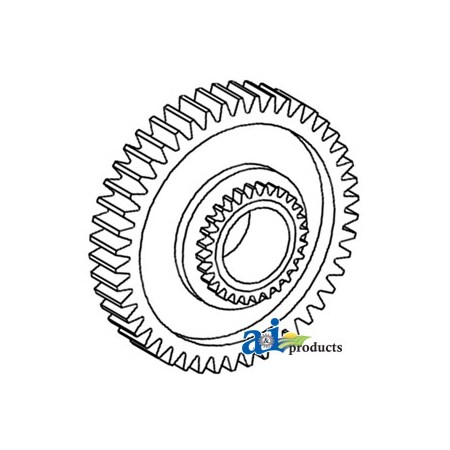
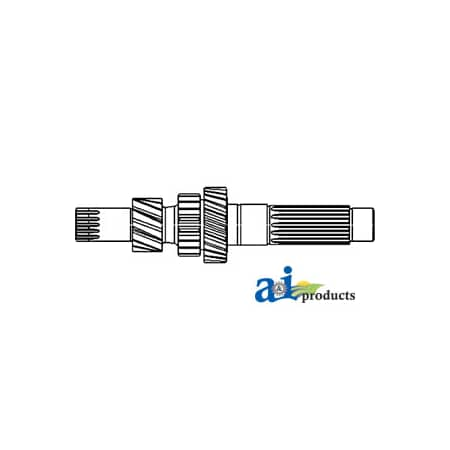
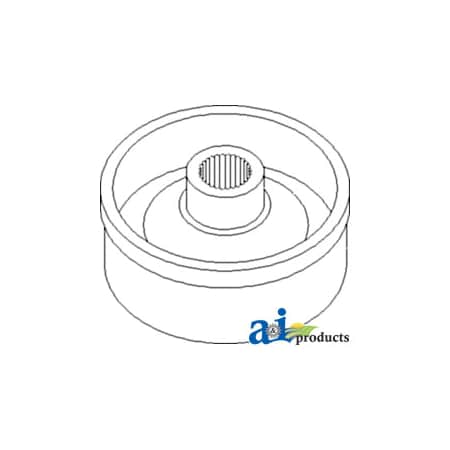
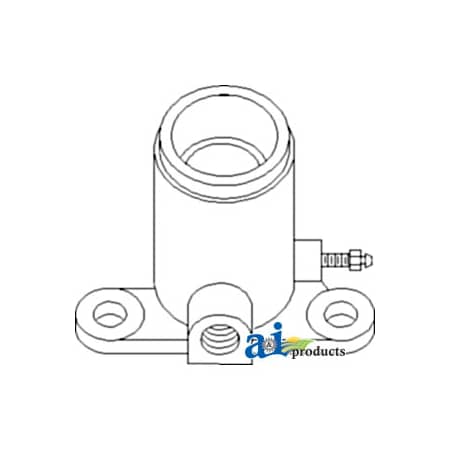
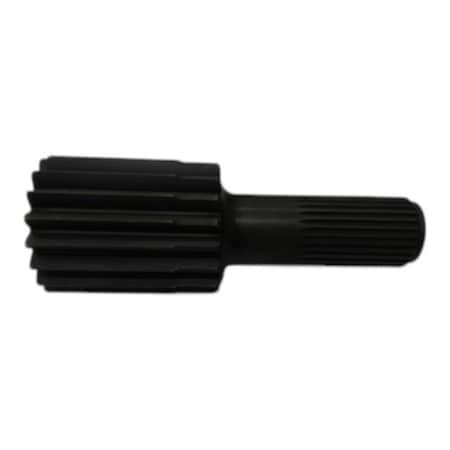
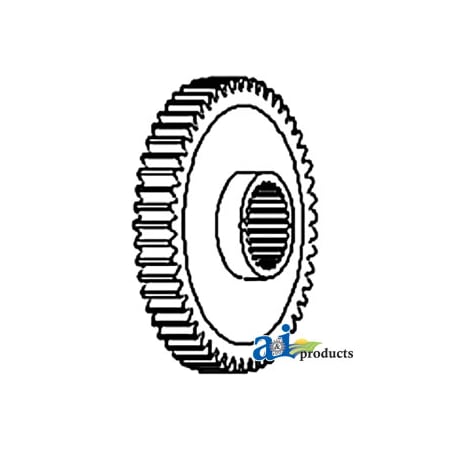
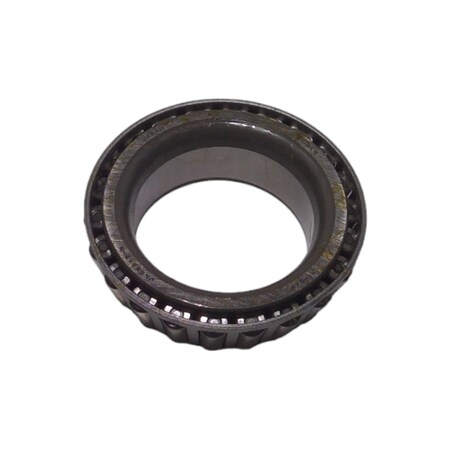
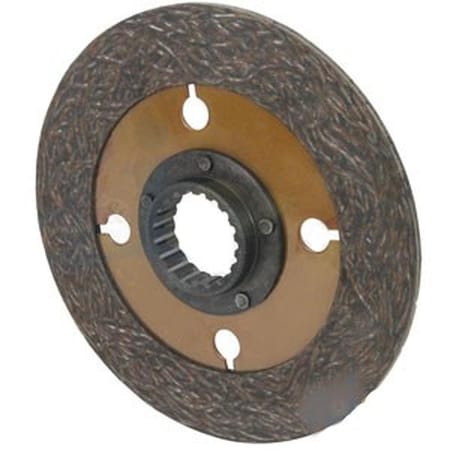
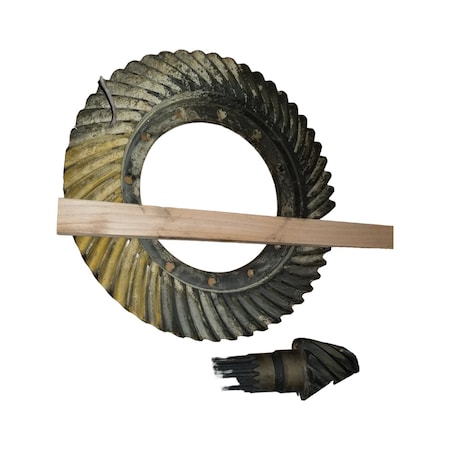
Shop Top Sellers in Tractor Transmission & Rear Axle Parts
Frequently Asked Questions
You may need to service your rear axle if you observe any of the following signs: unusual noises such as clunking, grinding, or howling; visible leaks of fluid; excessive vibration; the inability to turn smoothly; and difficulty maintaining alignment.
Extending the life of your tractor's transmission involves regular maintenance practices, including changing the transmission oil according to the manufacturer's recommendations, inspecting and cleaning filters, and monitoring fluid levels. Additionally, avoiding overloading, operating at appropriate speeds, and minimizing downtime can contribute to its longevity.
Manual transmissions provide greater flexibility and control over gear selection, allowing for precise adjustments based on the load and terrain. Hydrostatic transmissions, on the other hand, offer smoother operation, ease of use, and efficient power transfer, making them suitable for tasks requiring frequent gear changes or low-speed maneuvering.
The recommended interval for rear axle oil changes varies depending on the tractor model, operating conditions, and usage. Generally, it is advisable to refer to the manufacturer's guidelines for your specific tractor to determine the optimal oil change schedule. Regular oil changes help maintain proper lubrication, reduce wear, and prevent contamination.