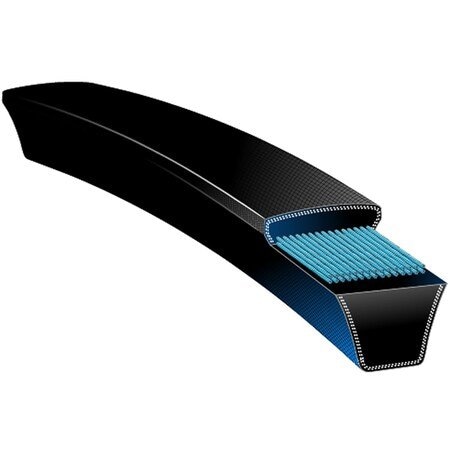
V belts are essential components in a wide array of machinery, efficiently facilitating power transfer between pulleys. V belts are flexible rubber or polymer belts with a trapezoidal cross-section that fits snugly into V-shaped pulleys. This design ensures a secure grip and efficient power transmission, making them indispensable in numerous industrial applications.
Types of V Belts:
Banded V Belt: Reinforced with multiple layers of fabric or cord, banded V belts offer exceptional strength and stability, ideal for heavy-duty machinery and high-torque applications.
Cogged V Belt: These V belts feature notches on the inner surface, enhancing flexibility and reducing heat buildup. Cogged belts are perfect for high-speed operations and environments where slippage is a concern.
Metric V Belt: Designed to metric specifications, these belts are widely used in European machinery and automotive applications, offering precise fits and reliable performance.
Link V Belt: Offering versatility and easy customization, link V belts consist of individual links that interlock to form a continuous belt. This design allows for seamless adjustments and replacements, minimizing downtime.
Frequently Asked Questions
V-Belts, also called wedge belts, are power transmission belts with a trapezoidal cross-section. They run in pulleys with V-shaped grooves, allowing for high power transmission and flexibility.
V-Belts offer numerous advantages, including: - High power transmission capacity due to their wedged design - Flexibility and ability to handle misalignment - Reduced noise and vibration compared to other belt types
V-Belts are typically made of rubber, reinforced with materials such as polyester cords, fiberglass, or aramid fibers. The specific materials used determine the belt's strength, durability, and resistance to various conditions.
When selecting a V-Belt, consider factors such as: - Pulley size and type - Power transmission requirements - Operating environment - Speed and torque - Required durability Based on these criteria, refer to manufacturers' catalogs or consult with our technical experts for assistance.