
V-Belts (139,500+ items) - Page 50

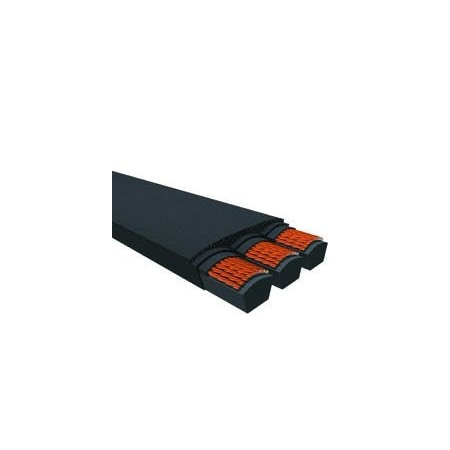
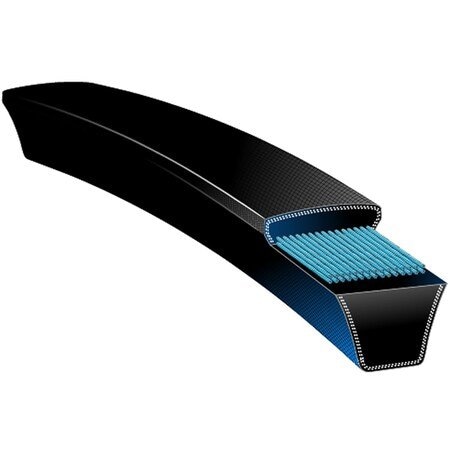
BX90 Cogged, Classical V-Belt, 93 in Outside Length, 21/32 in Top Width, 0.406 in Thickness, 1 Ribs

BX77 Cogged, Classical V-Belt, 80 in Outside Length, 21/32 in Top Width, 13/32 in Thickness, 1 Ribs
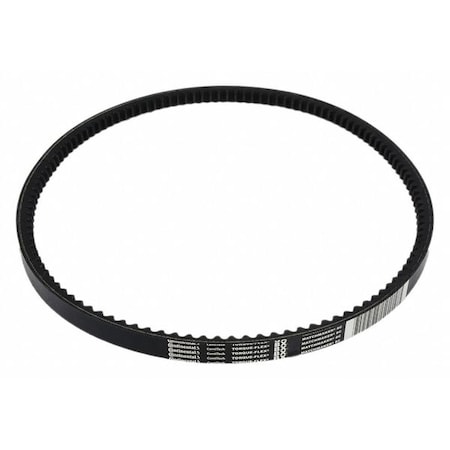
BX36 Cogged, Classical V-Belt, 39 in Outside Length, 21/32 in Top Width, 13/32" Thickness, 1 Ribs
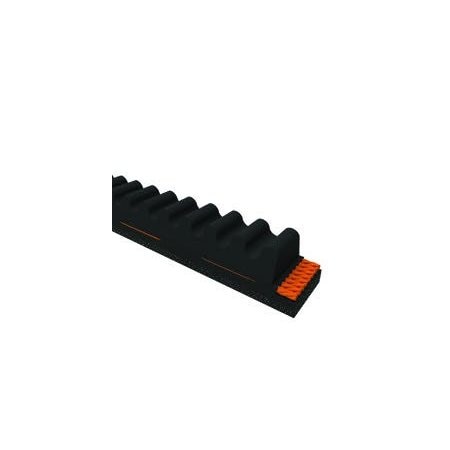

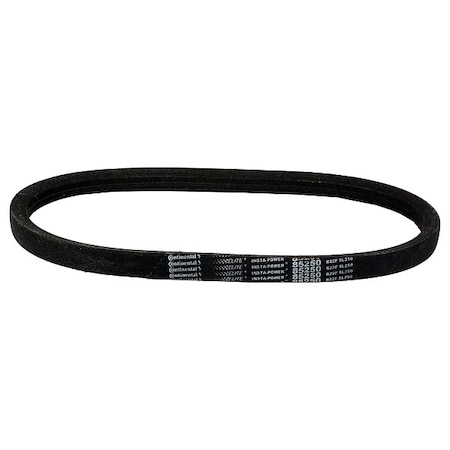
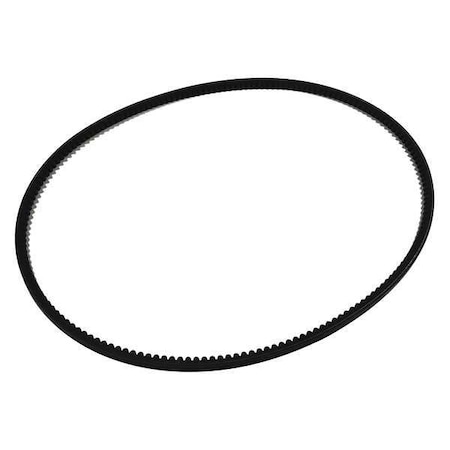
XPALP932 Metric V-Belt, 937mm Outside Length, 13mm Top Width, 9 mm Thickness, 1 Ribs


Gold-Ribbon Cog-Belt Heavy Duty Gold Ribbon V-Belt, BX Section, 5/8 in W Top, 127.3 in L Outside
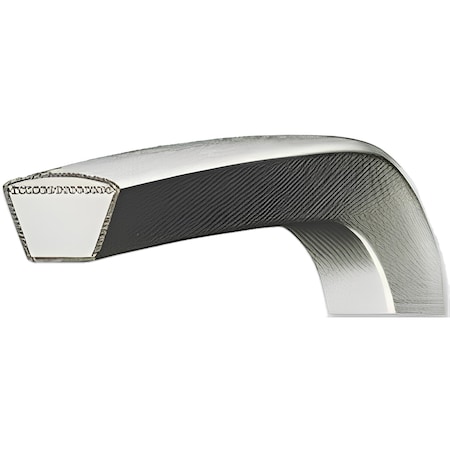
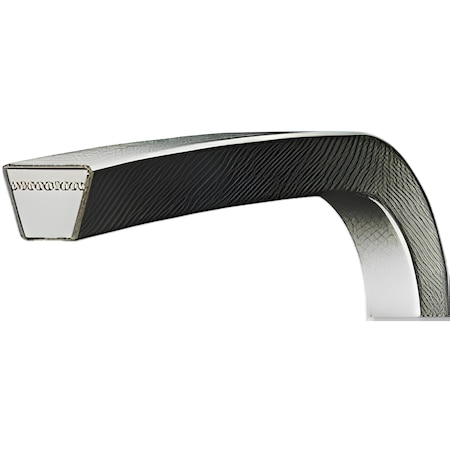
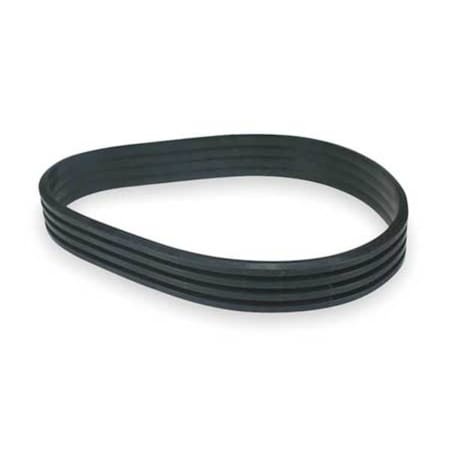
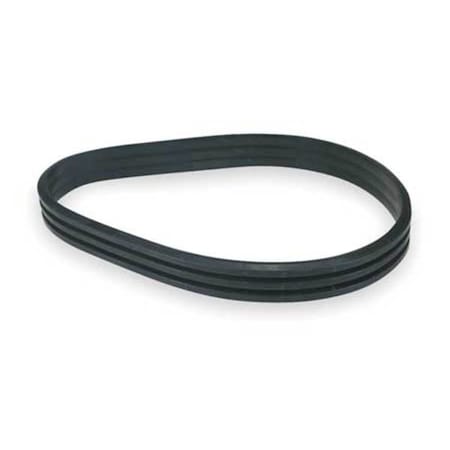
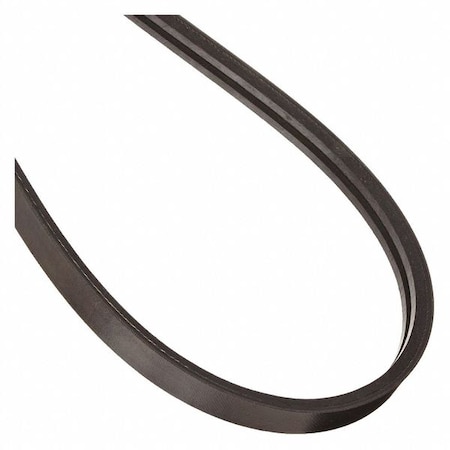
BX75 Cogged, Classical V-Belt, 78 in Outside Length, 21/32 in Top Width, 13/32 in Thickness, 1 Ribs
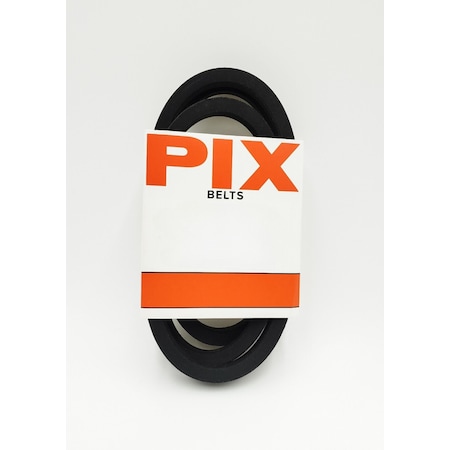
BX150 Cogged, Classical V-Belt, 153 in Outside Length, 21/32 in Top Width, 13/32" Thickness, 1 Ribs
B124 Banded Classical V-Belt, 127 in Outside Length, 21/32 in Top Width, 0.406 in Thickness, 2 Ribs
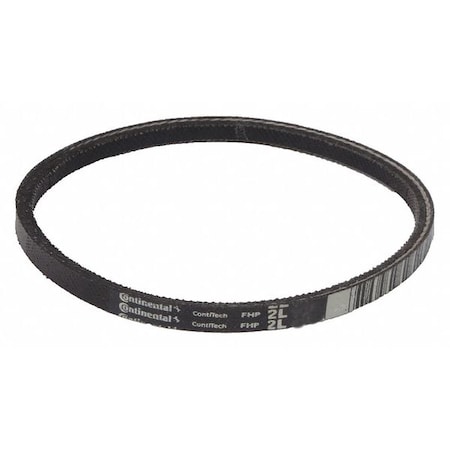
BX27 Cogged, Classical V-Belt, 30 in Outside Length, 21/32 in Top Width, 13/32 in Thickness, 1 Ribs
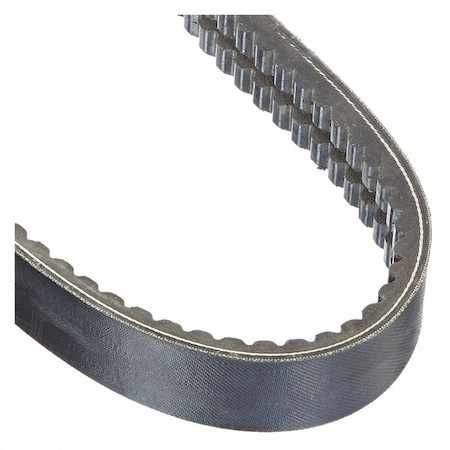
2/3VX450 Banded Cogged V-Belt, 45" Outside Length, 49/64" Top Width, 5/16" Thickness, 2 Ribs
About V-Belts
V belts are essential components in a wide array of machinery, efficiently facilitating power transfer between pulleys. V belts are flexible rubber or polymer belts with a trapezoidal cross-section that fits snugly into V-shaped pulleys. This design ensures a secure grip and efficient power transmission, making them indispensable in numerous industrial applications.
Types of V Belts:
Banded V Belt: Reinforced with multiple layers of fabric or cord, banded V belts offer exceptional strength and stability, ideal for heavy-duty machinery and high-torque applications.
Cogged V Belt: These V belts feature notches on the inner surface, enhancing flexibility and reducing heat buildup. Cogged belts are perfect for high-speed operations and environments where slippage is a concern.
Metric V Belt: Designed to metric specifications, these belts are widely used in European machinery and automotive applications, offering precise fits and reliable performance.
Link V Belt: Offering versatility and easy customization, link V belts consist of individual links that interlock to form a continuous belt. This design allows for seamless adjustments and replacements, minimizing downtime.